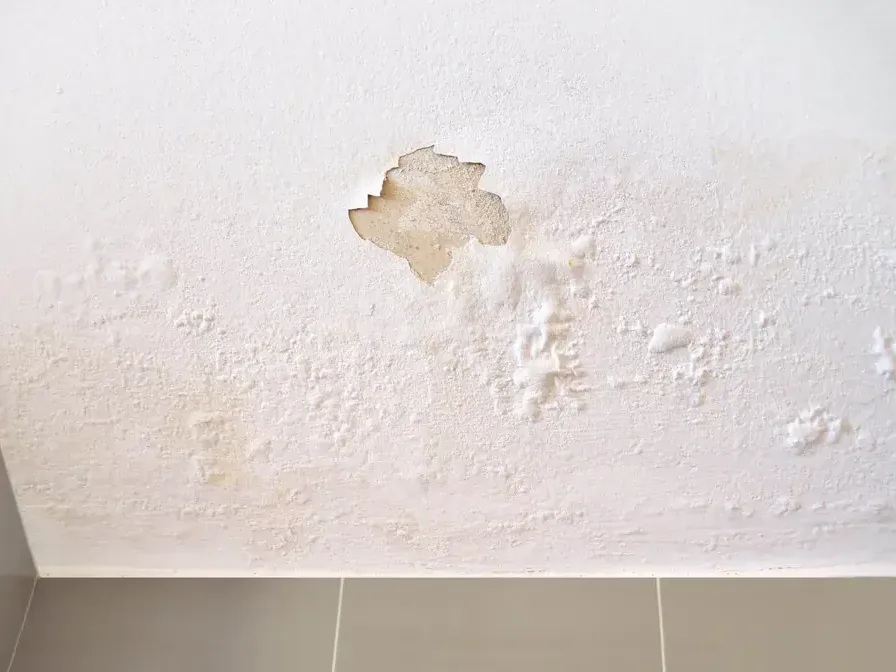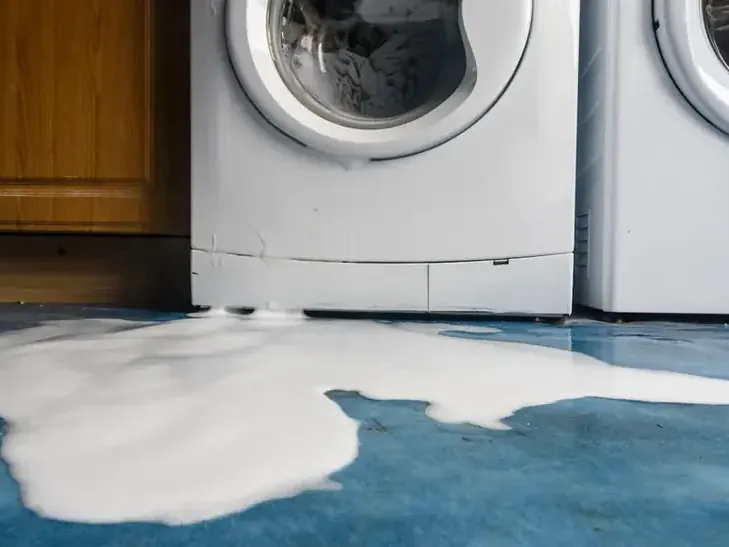
Appliance leaks come in two kinds. A burst washer hose or a toilet supply that pops off pours water fast and gets noticed. A dishwasher seal, a refrigerator ice maker tube or a cracked drain pan drips for weeks under cabinets and flooring before anyone sees a stain.
The usual appliance leak sources in Lafayette
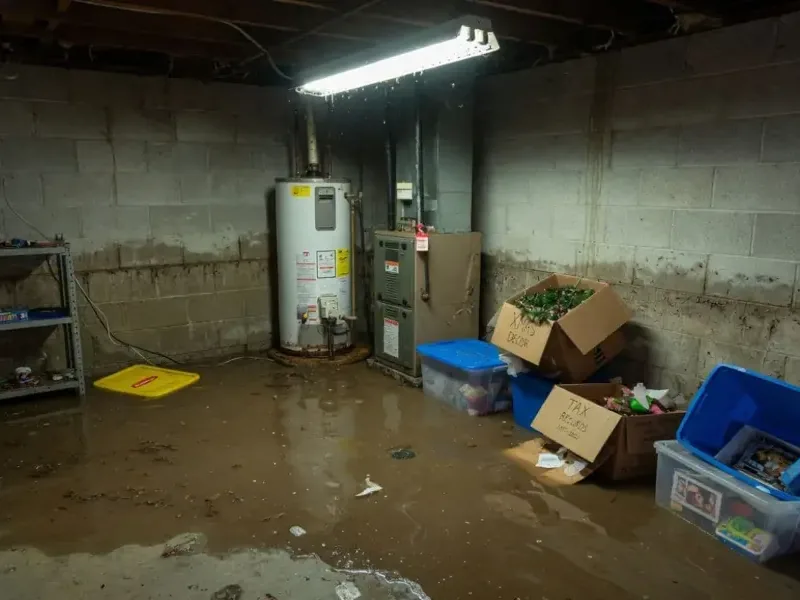
Rubber washer hoses age and burst, especially on a second-floor laundry. Dishwasher door seals, drain hoses and supply connections leak under the kitchen cabinets. Refrigerator ice maker tubes crack behind the fridge. Toilet supply hoses and fill valves fail without warning. Whether the laundry sits upstairs in a two-story house near Lafayette Park or Indian Peaks or in the basement of a 1950s home off South Public Road, a washer leak heads for the lowest point it can reach.
- Washer supply and drain hoses
- Dishwasher seals and drain hoses
- Refrigerator ice maker tubes
- Toilet supply hoses and fill valves
Gray water from drains
Clean water from a supply hose is Category 1. Water from a washer drain, a dishwasher drain or a sink is gray water and carries soap, food and dirt, so carpet pad comes out and surfaces get an antimicrobial before drying. A slow leak that sat for weeks can degrade further and often needs more removal.
- Supply hose leaks are clean Category 1 water
- Washer and dishwasher drain water is gray water
- Leaks that sat for weeks need more removal
Drying cabinets and floors
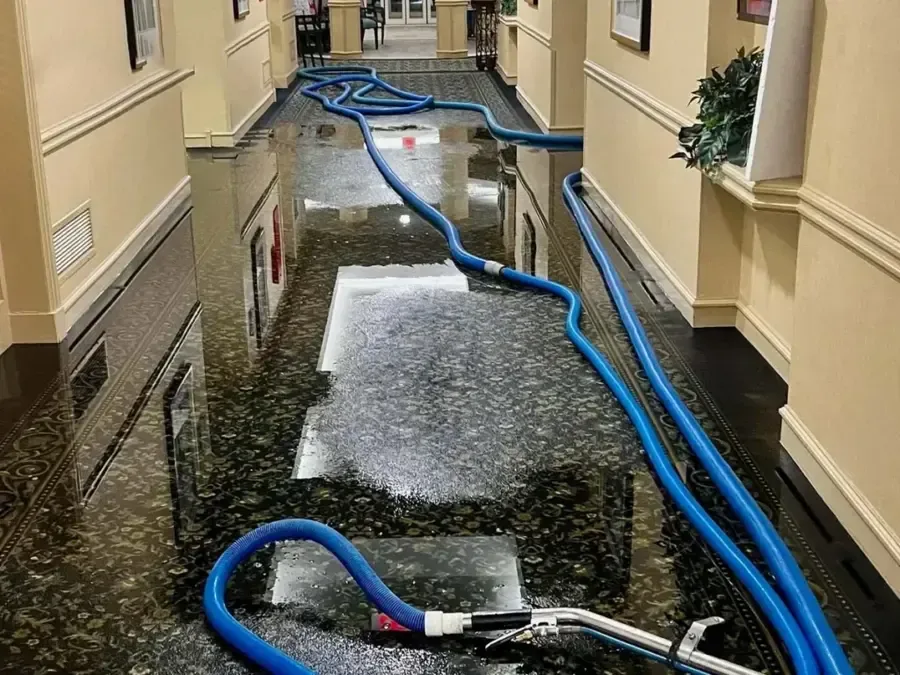
Water runs under the cabinet toe kicks and sits under laminate, vinyl plank and hardwood. The crew pulls the toe kicks, drills small vent holes or removes the cabinet base if needed, and uses drying mats on hardwood. The EPA WaterSense leak checklist helps spot slow leaks early, and the Consumer Product Safety Commission posts appliance recalls.