Water Damage Restoration Fort Lupton, CO
Water spreading through a home or business needs measured removal, careful material decisions, and drying that is verified before repairs begin. Help is available for clean water, storm entry, and sewage losses.
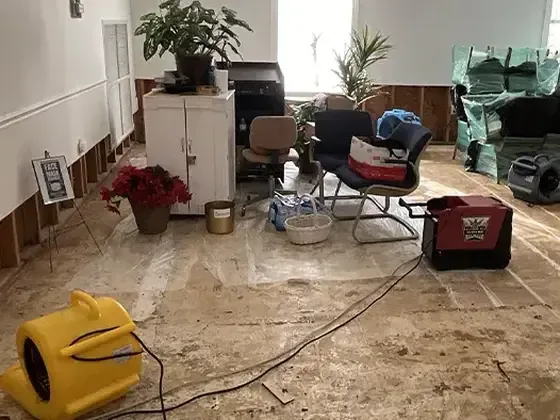
Equipment and drying standards
Water Damage Restoration Services in Fort Lupton, CO
Each loss receives a response shaped around the water source, affected materials, contamination level, and the route moisture traveled through the building. The initial findings determine the practical order of work.
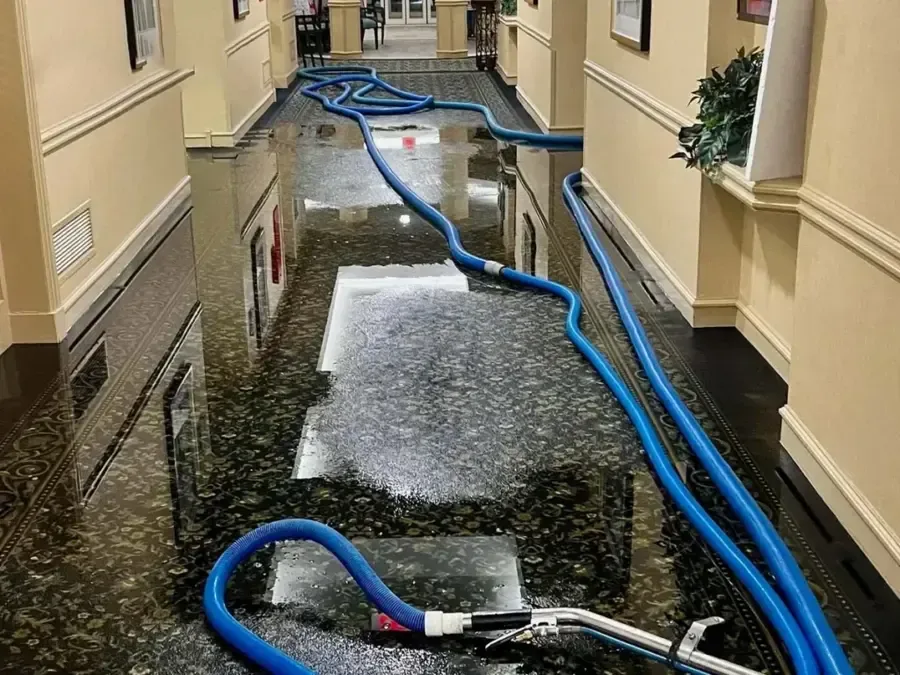
Water Extraction and Removal
Standing water is removed while technicians map damp flooring, wall bases, and concealed cavities.
View service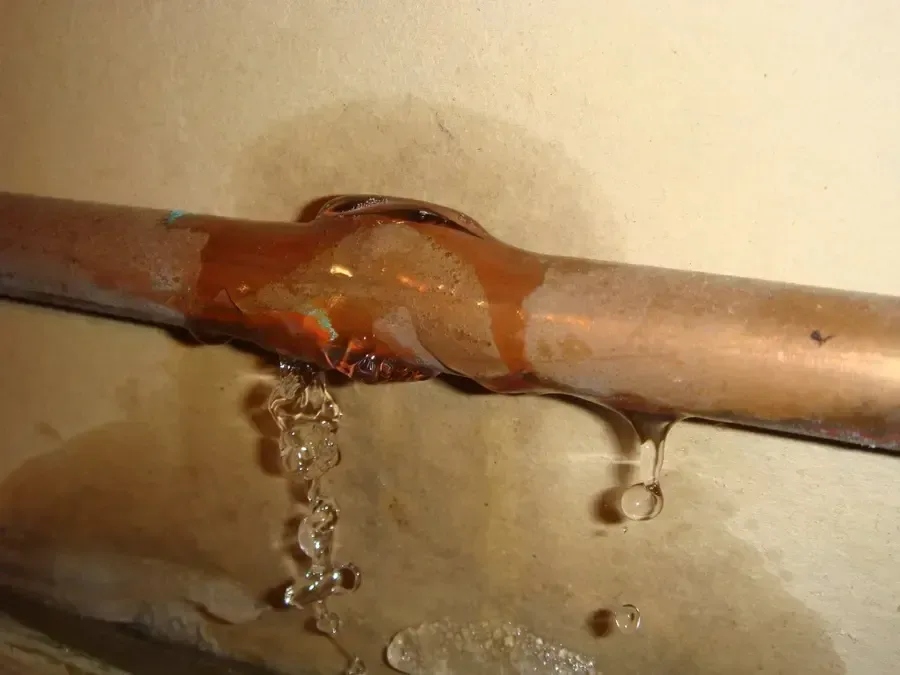
Burst Pipe Water Damage
A split supply pipe can spread clean water across several rooms before the source is controlled.
View service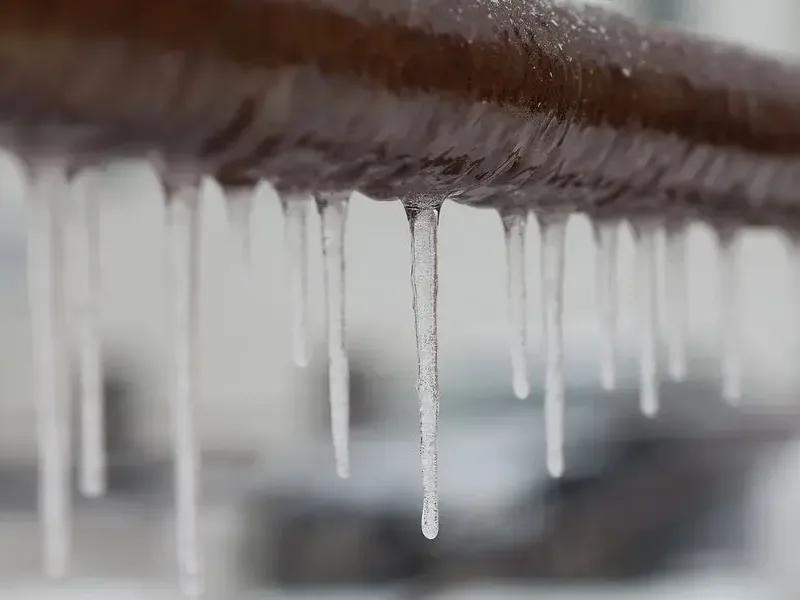
Frozen Pipe Water Damage
Plumbing exposed to a Front Range freeze may release water after thawing.
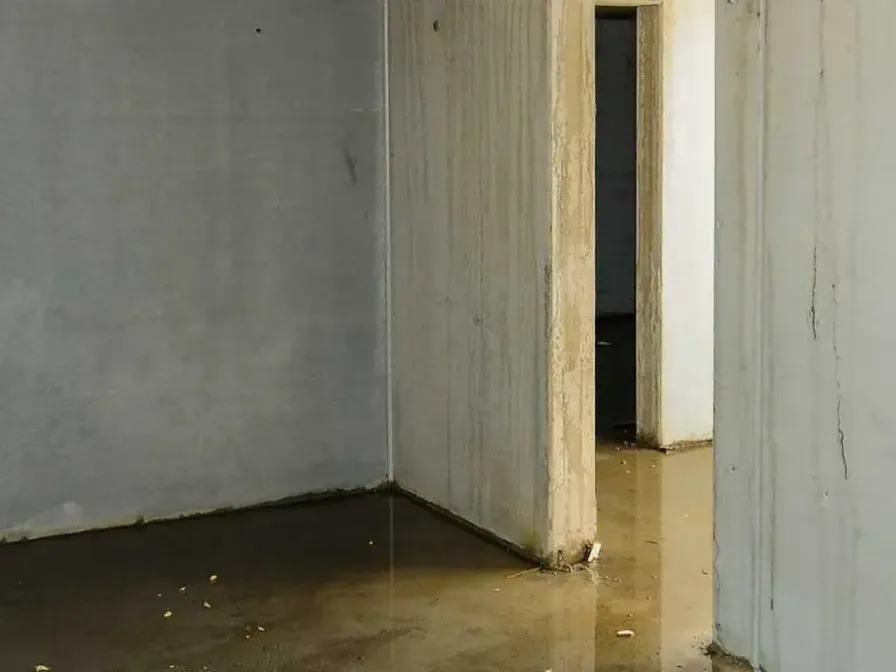
Basement Flooding Cleanup
Lower level flooding calls for safe access, fast removal, and careful checks at wall edges and finished assemblies.
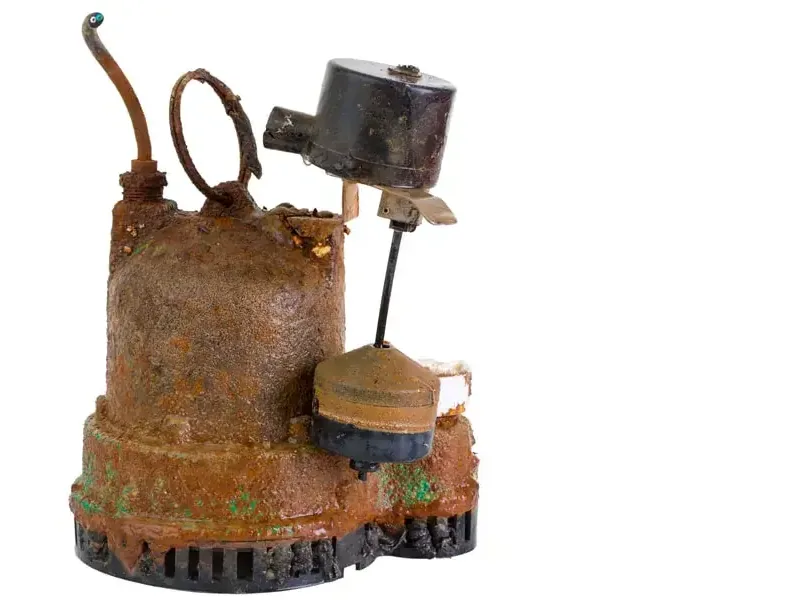
Sump Pump Failure Cleanup
When a property has a sump system and it stops moving water, the resulting loss may involve groundwater and hidden wet areas.
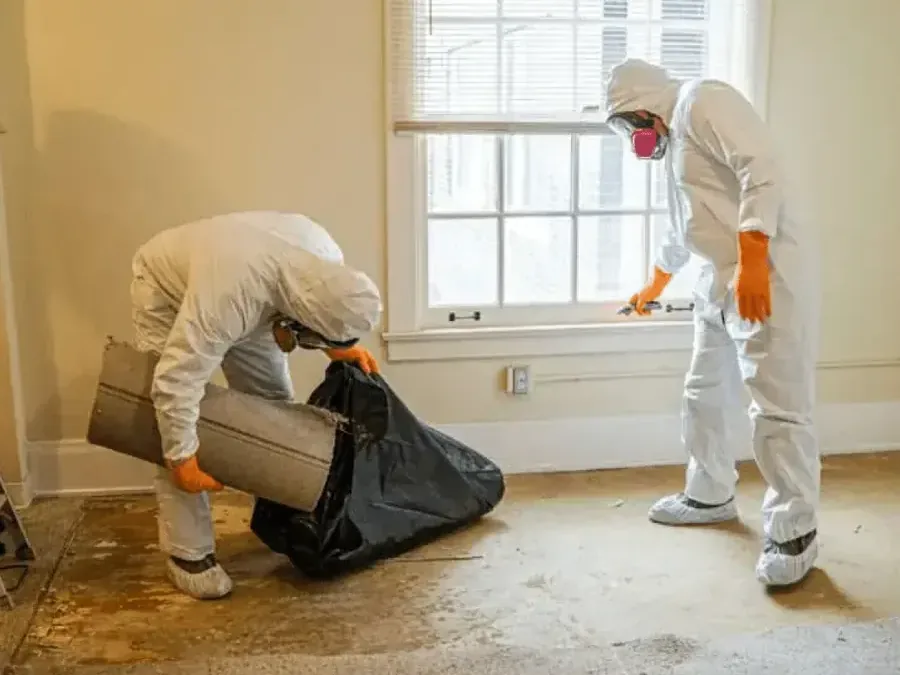
Sewage Backup Cleanup
Wastewater from a toilet, tub, sink, or household drain requires containment and controlled removal.
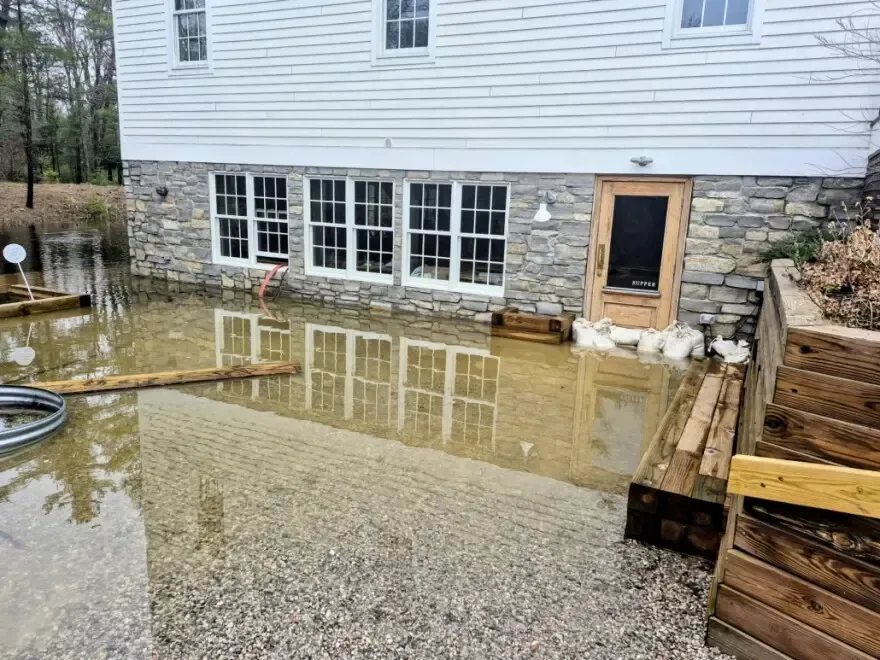
Storm Water and Flash Flood Cleanup
Wind driven precipitation and surface water can enter through more than one opening.
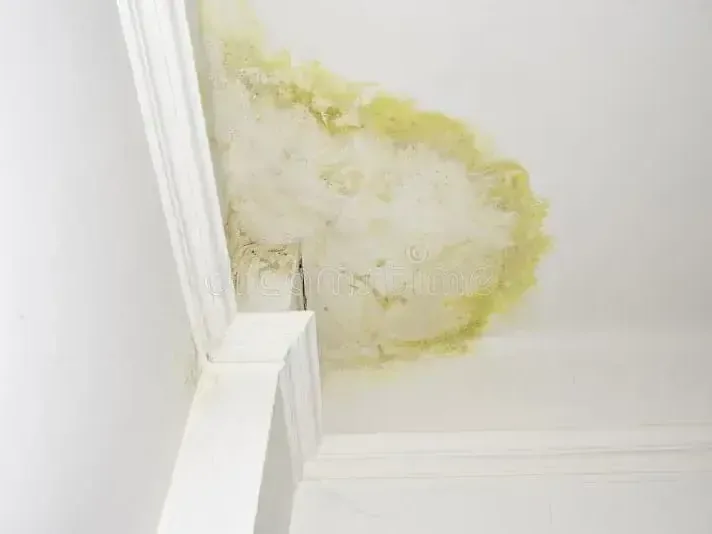
Roof Leak Water Damage
Hail, snow, or wind driven precipitation can expose a roof opening.
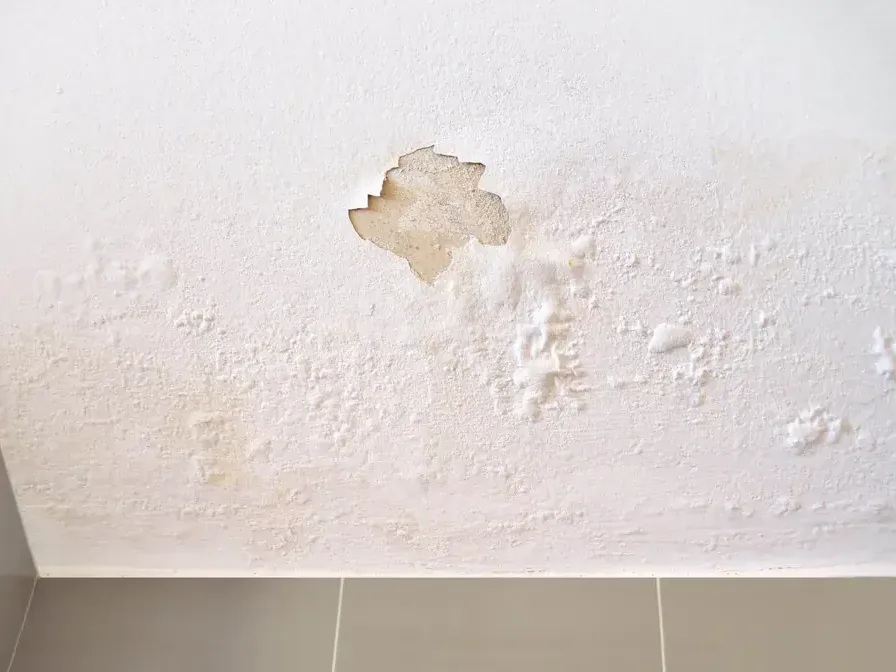
Ceiling Leak Water Damage
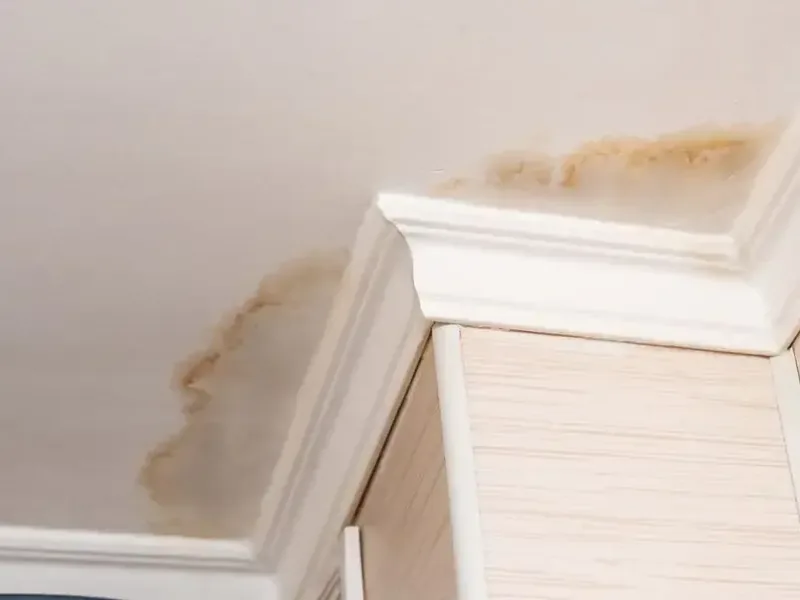
A ceiling stain can reflect roof entry or plumbing above.
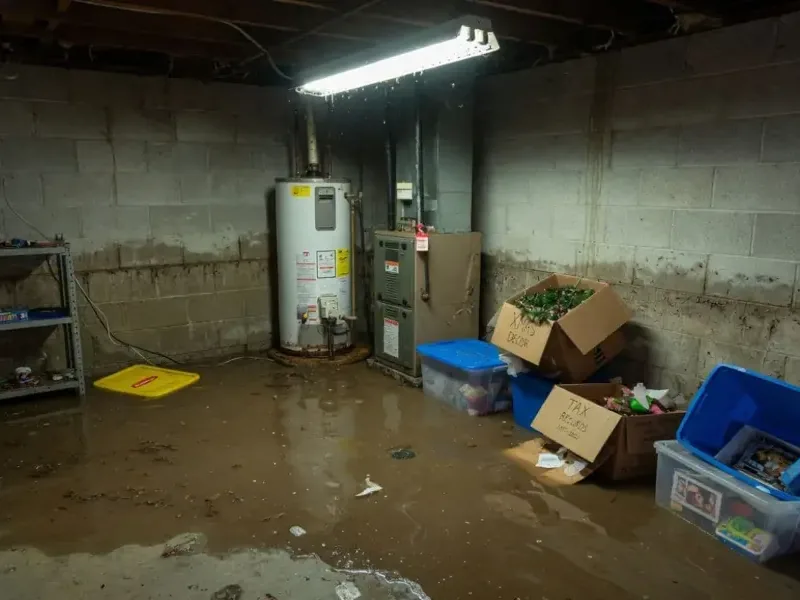
Water Heater Leak Cleanup
A failed tank can release water across hard flooring and into nearby wall bases.
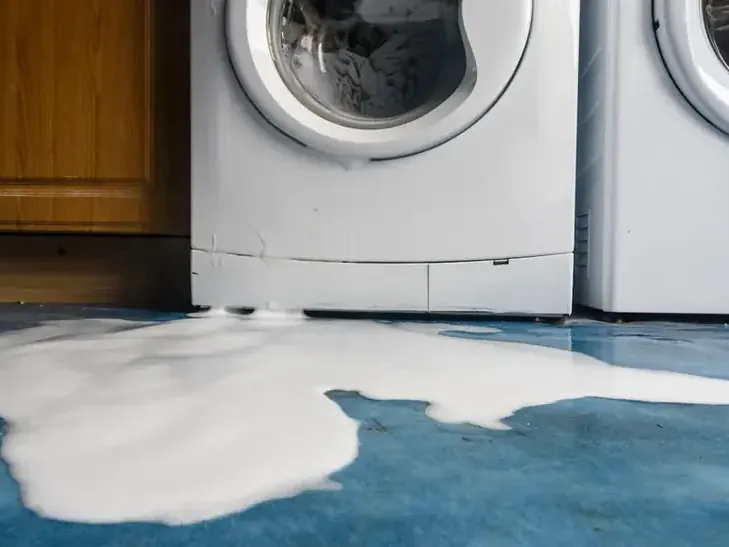
Appliance and Supply Hose Leaks
Supply hoses and appliance drains can release water beneath cabinets, flooring, or adjoining rooms.
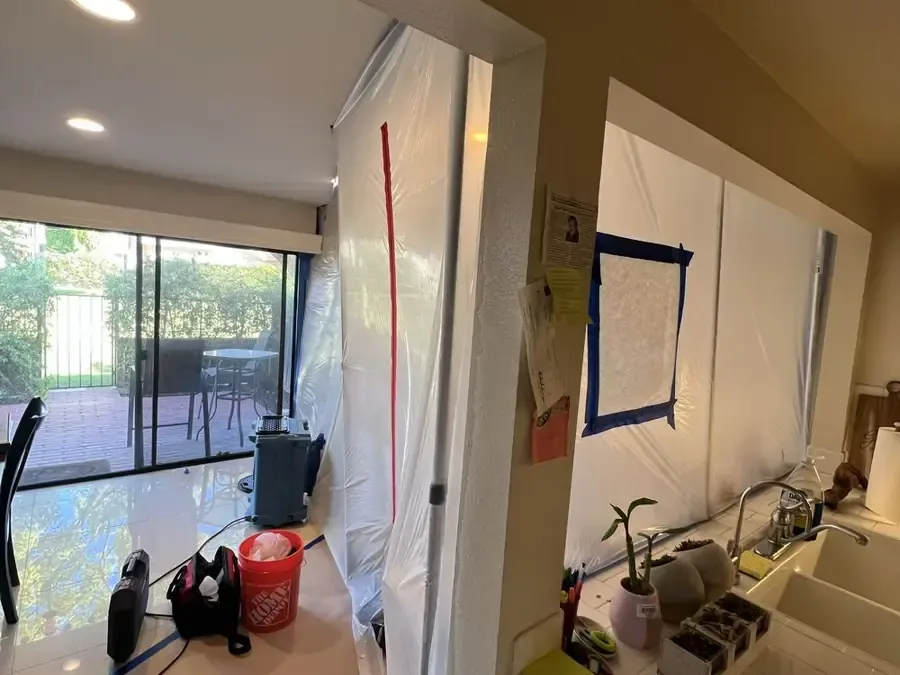
Structural Drying and Dehumidification
Air movement and dehumidification are adjusted from recorded moisture readings.
Water risks that shape the first response
Mixed structure ages
Recent census estimates report a median structure year of 1980. Older and newer assemblies can hide water differently, so access and drying plans remain property specific.
Homes in use
Recent estimates describe 2,893 households and 67 percent owner occupancy. Contents protection and room access matter when cleanup takes place in an actively used home.
How a water loss moves from wet to dry
The work follows the water path, protects unaffected space, and uses repeatable readings to support each drying decision. Those findings also keep the scope understandable.
Inspect and classify
Technicians identify the source and contamination category, then map visible and concealed moisture before equipment placement. Each transition remains tied to current site conditions.
Extract and contain
Recoverable water is removed from accessible surfaces, while barriers and work zones limit tracking into dry parts of the property. Each transition remains tied to current site conditions.
Open and dry
Unsavable material is removed when needed, and air movement plus dehumidification target the remaining wet assemblies. Each transition remains tied to current site conditions.
Verify and document
Readings are compared with dry reference materials, and the record shows how conditions changed through the project. Each transition remains tied to current site conditions.
How a water loss is handled
Rapid local response
Active water is treated as urgent through 24/7 dispatch.
IICRC S500 drying standard
Moisture mapping sets the equipment plan and the dry goal.
Claim-ready documentation
Daily readings, photos and the category and class build the file.
Fort Lupton water experts
Local conditions shape extraction, access and structural drying.
What does water damage restoration cost in Fort Lupton, CO?
Cost depends on the source, contamination, affected area, material depth, access, and drying time. An inspection is needed because a small visible patch can conceal a wider moisture path. Material testing clarifies that hidden scope.
One room
- Accessible standing water with documented project details
- Limited finish impact with documented project details
- Focused equipment area with documented project details
Basement or several rooms
- Broader extraction footprint with documented project details
- More material checks with documented project details
- Multiple drying zones with documented project details
Large area with drying
- Water across assemblies with documented project details
- Selective removal possible with documented project details
- Extended monitoring needs with documented project details
Documentation for your insurance claim
A clear record follows the loss from initial discovery through completion, connecting the reported source, visible damage, moisture findings and work performed with the final drying readings.
- Reported source and affected rooms
- Initial material moisture readings throughout rooms
- Condition photographs before removal
- Equipment placement and daily work notes
- Final drying goal verification
Coverage depends on the policy, cause, exclusions, and claim assessment. Property owners can report the loss promptly, preserve relevant records, and ask the carrier which documentation it wants while cleanup proceeds. Asking for written claim requirements can also reduce uncertainty about the requested record.
The first inspection establishes a property-specific scope and estimate. Sewage, outdoor flooding, difficult access and widespread finish removal can add work beyond the typical ranges shown here.
All water damage categories covered in Fort Lupton, CO
Clean water losses
A recent supply failure may begin as clean water, but time and contact with building materials can change the conditions. Rapid extraction protects more of the structure.
Used water losses
Discharge from an appliance or fixture may carry contaminants. Cleanup methods account for the source, affected surfaces, and how far the water traveled.
Sewage and floodwater
A sewage backup or outdoor flood can carry serious contamination. Containment, removal, cleaning, and material disposal decisions follow the exposure rather than surface appearance.
What a water damage dry out looks like in Fort Lupton
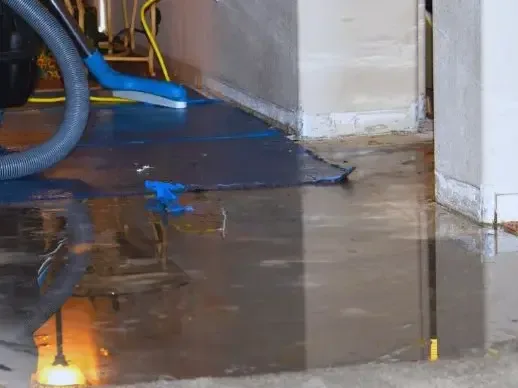
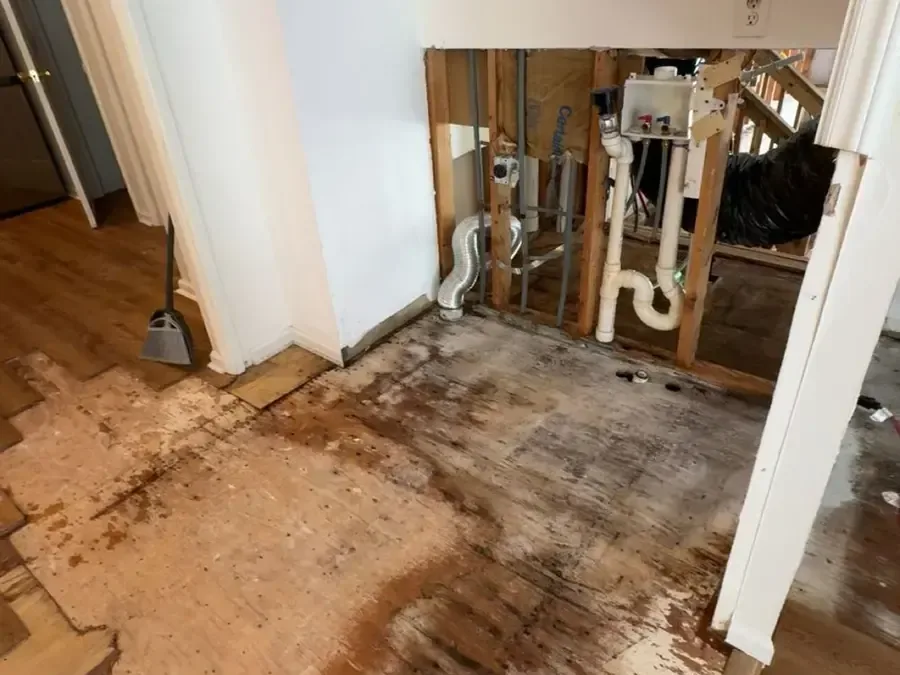
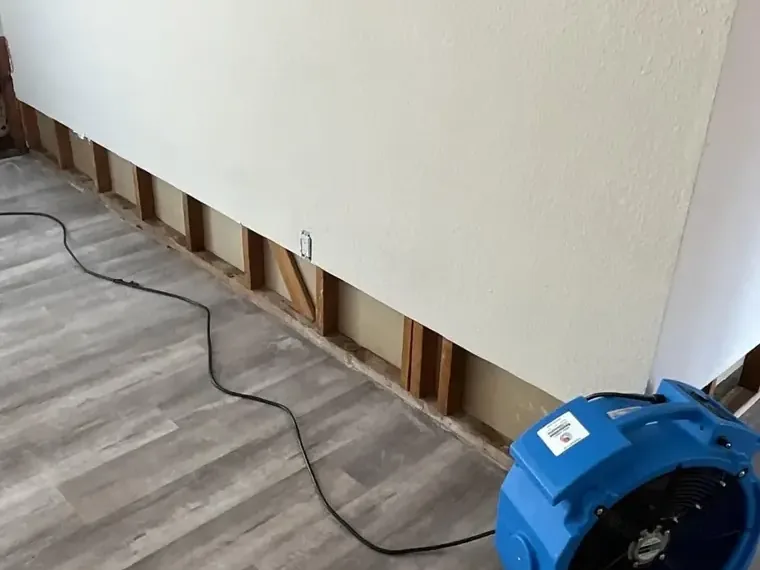
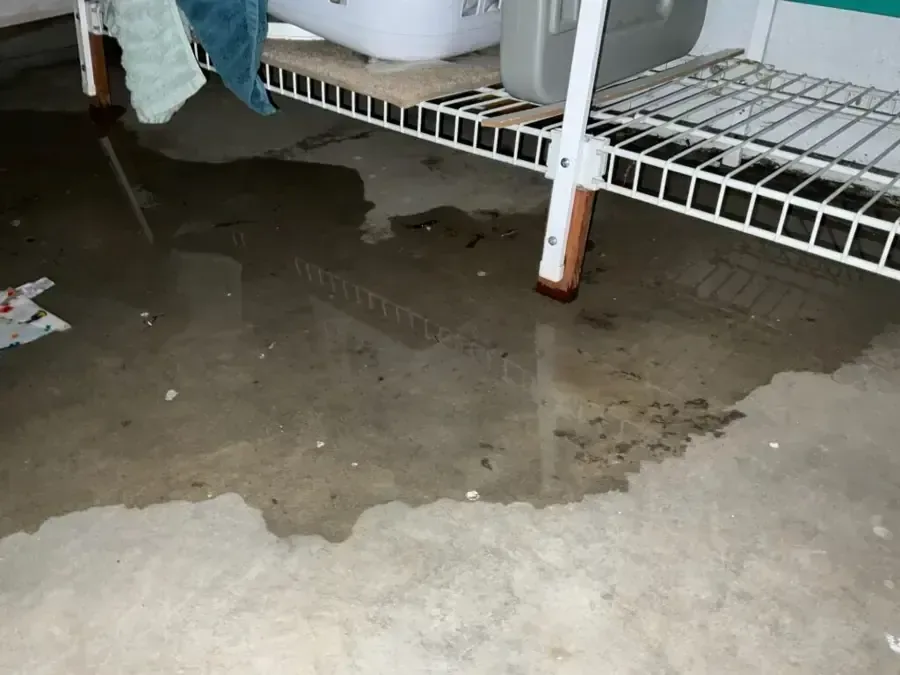
Water damage dried to the IICRC S500 standard
Defined drying goals
Unchanged materials provide practical reference readings. Those values help establish when affected wood, drywall, and other assemblies have returned to an acceptable condition.
Equipment matched to conditions
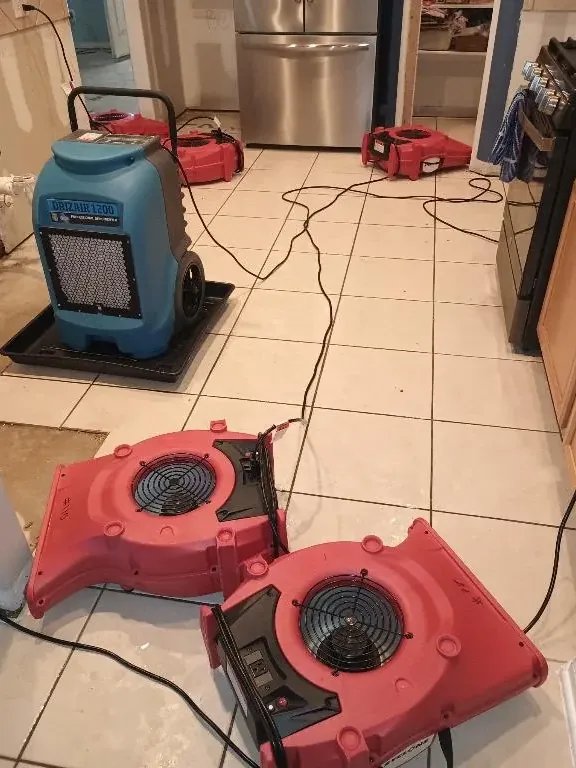
Air movers and dehumidifiers are placed according to the material load and room conditions. Readings support adjustments as evaporation changes.
Decisions supported by records
Photos, moisture maps, equipment notes, and daily observations connect the initial loss with the final verification for owners and claim claim evaluators.
What careful restoration should include
A surface can look dry while moisture remains below flooring or behind a wall. Instrument readings establish whether retained materials are ready for reconstruction and repair approval.
Practical steps after water enters the property
- Avoid electrical hazards. Keep away from standing water near outlets, appliances, panels, or damaged wiring. Leave the area if safe access is uncertain.
- Stop the source safely. Close an accessible water shutoff when doing so does not require entering a hazardous area. Roof and sewage sources need different precautions.
- Protect movable belongings. Move dry items away from the wet edge when conditions allow. Do not carry contaminated belongings through unaffected rooms.
- Record visible conditions. Photograph the source, water spread, and affected contents before cleanup changes the scene. Keep receipts and relevant property records together.
- Arrange a moisture assessment. Describe where water appeared, how long it may have flowed, and whether it came from plumbing, weather, or a household drain.
Water cleanup across local homes and businesses
Projects are handled throughout Fort Lupton and nearby developed areas in southern Weld County.
ZIP served
The ZIP includes addresses beyond city limits, so service availability is confirmed by property location.
One call reaches Fort Lupton water damage pros, 24/7
The response team starts with the source, safety and the rooms already wet, then sets the extraction and drying plan.
(888) 532-8620Describe where the water reachedWater risks shaped by the community
Local properties span different ages, uses, and building conditions. Public records and community history help frame sensible inspection questions without assuming every structure shares one design. The current loss still supplies the decisive evidence for restoration planning.
Recorded water area
The 2020 census reported 34 acres of water within the total city area. Site drainage and the actual water source still determine an individual loss.
Flood program participation
The city participates in the National Flood Insurance Program under community number 080183 and has no Community Rating System class. Policy terms control claim decisions.
Water system stewardship
The City of Fort Lupton publishes drinking water quality reports, and a 2024 grant supported efficiency upgrades at the water treatment plant.
Historic creek setting
Lancaster Lupton built a trading post on Adobe Creek in 1838. The reconstructed post at South Platte Valley Historical Park reflects that recorded settlement history.
Water damage questions
What should happen first after indoor flooding?
People should avoid electrical hazards and contaminated water, stop an accessible source when safe, and document visible conditions. A moisture assessment then maps the affected area before extraction and drying decisions begin. The site findings determine the appropriate scope for that property.
Can a small stain hide a larger wet area?
Yes. Water can move along framing, insulation, flooring layers, and ceiling materials before becoming visible. Moisture instruments help trace that path and define which surfaces need access, drying, or removal. The site findings determine the appropriate scope for that property.
How is a dry structure confirmed?
Technicians compare repeated readings from affected materials with suitable dry reference materials. Equipment is adjusted as readings change, and final documentation shows whether the established drying goals were reached. The site findings determine the appropriate scope for that property.
Does every wet material have to be removed?
No. The source, contamination, material type, structural condition, and ability to dry determine the decision. Clean, sound assemblies may remain when access and monitoring support reliable drying. The site findings determine the appropriate scope for that property.
How is sewage different from a supply leak?
Sewage can contain harmful contaminants and requires containment, protective practices, controlled removal, and cleaning. A recent supply leak may allow more materials to be dried in place when conditions remain sanitary. The site findings determine the appropriate scope for that property.
What records help with an insurance claim?
Useful records can include source photographs, affected room images, moisture maps, material notes, equipment logs, disposal details, and final readings. The carrier decides coverage according to the policy and reported cause. The site findings determine the appropriate scope for that property.
Can storm water be treated like clean plumbing water?
Outdoor water can contact soil, debris, and other contaminants before entering. Its category and affected materials require a separate evaluation from water released by a recent interior supply failure. The site findings determine the appropriate scope for that property.
Why are readings taken more than once?
A single reading shows conditions only at that moment. Repeated measurements reveal whether moisture is actually declining and whether equipment placement or material access should change during the dry out. The site findings determine the appropriate scope for that property.
Are local flood program records a promise of coverage?
No. Participation in the National Flood Insurance Program does not determine coverage for a particular property or event. The policy, cause, exclusions, and claim assessment control that decision. The site findings determine the appropriate scope for that property.
Need help evaluating water?
Describe the source, affected rooms, and visible materials so the next cleanup step can be discussed clearly.
(888) 532-8620Discuss the water lossRestore a dry, usable property after water damage
Source control, extraction, material decisions and verified drying belong in a documented scope before repair planning proceeds.
(888) 532-8620Arrange the restoration assessment