A sewer backup is not a water leak with a smell. It carries bacteria and viruses, so every step is about keeping it from spreading: containment, protective gear, removal of porous materials and disinfection before any drying equipment runs.
Where Lafayette backups come from
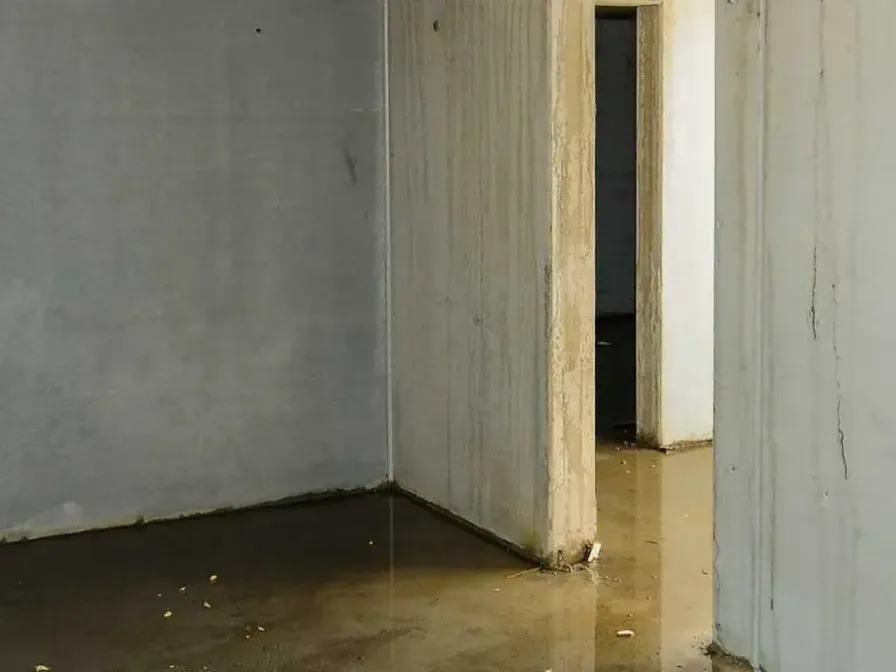
In a house with a basement, the floor drain is the lowest opening on the sewer, so a blockage in the lateral or a surcharged city main shows up there first. Roots, grease, wipes and old clay or cast iron pipe narrow the lateral over time, and older laterals near Old Town Lafayette and South Public Road have had longer to wear, including homes around Waneka Lake Park. Coal Creek carries the treated wastewater from the city and its neighbors toward the Coal Creek, but most backups start in the pipe between the house and the main.
- Basement floor drains
- Lowest toilets, tubs and showers
- Laundry standpipes
- Cleanouts with a missing or loose cap
What has to come out
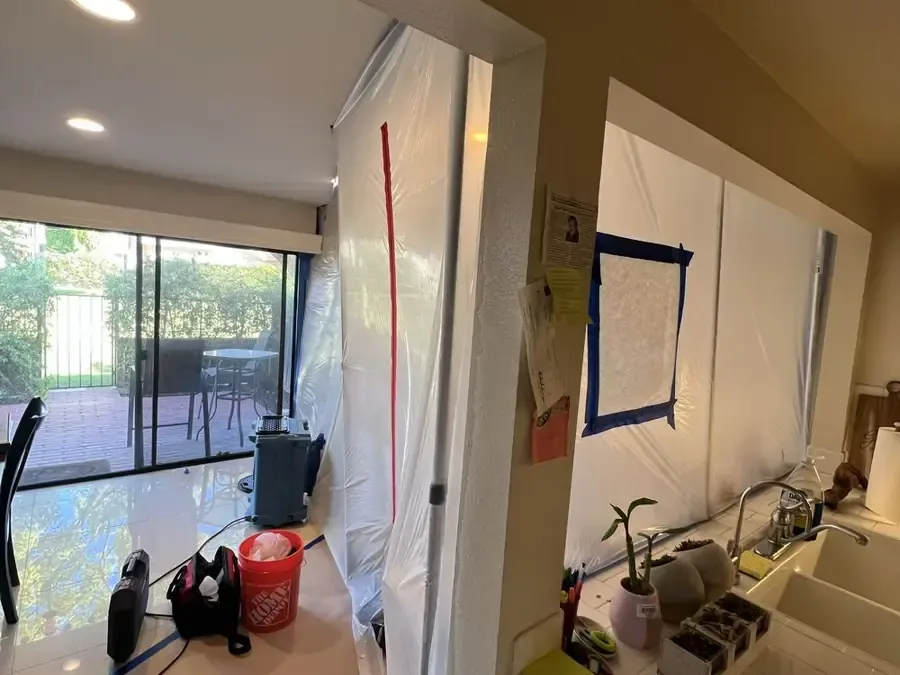
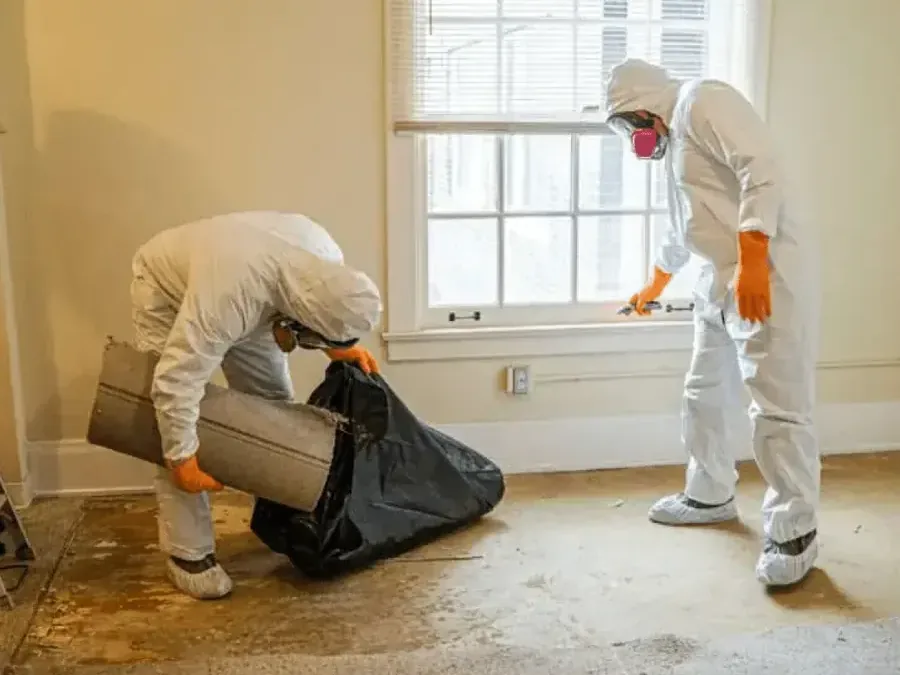
Porous materials touched by sewage are removed, not dried: carpet and pad, drywall above the waterline, insulation, particleboard and upholstered items. Hard surfaces such as concrete, tile and sealed wood are cleaned and treated with an EPA-registered antimicrobial left on for its full dwell time. The crew wears gloves, boots, eye protection and respirators, and sets containment so the rest of the house stays clean.
- Carpet, pad and drywall above the waterline
- Insulation, particleboard and upholstered items
- Anything porous that cannot be disinfected
Drying after disinfection
Drying starts only after removal and cleaning, so the equipment does not spread contamination. The EPA indoor air quality pages explain why damp, contaminated materials should not stay in a home, and OSHA sets the protective gear standards crews follow on contaminated jobs.