Water Damage Restoration Firestone, CO
Pipe releases, storm entry, sewage, and appliance failures need a response built around source control, material condition, and moisture readings from the first inspection onward. The crew then protects clean access and records each affected room.
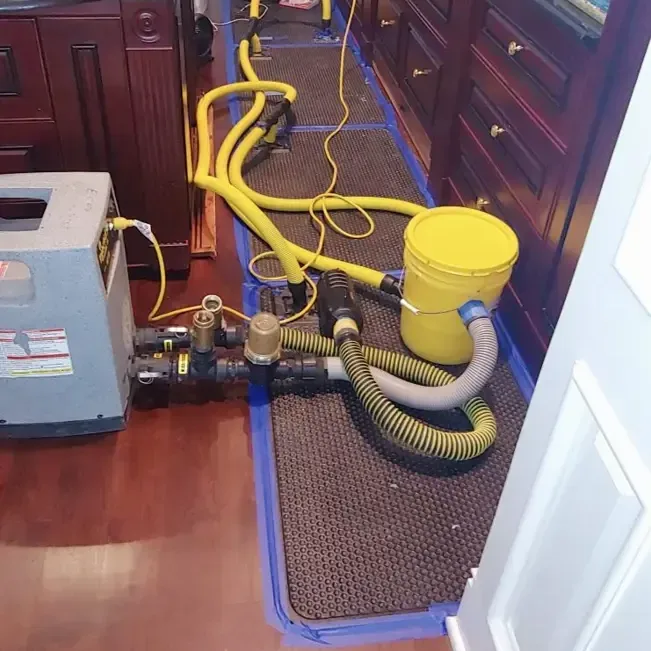
Equipment and drying standards
Water Damage Restoration Services in Firestone, CO
Each service begins with the source and water path, then addresses removal, cleaning, retained materials, and documented drying in the affected building. That sequence remains specific to the source and building.
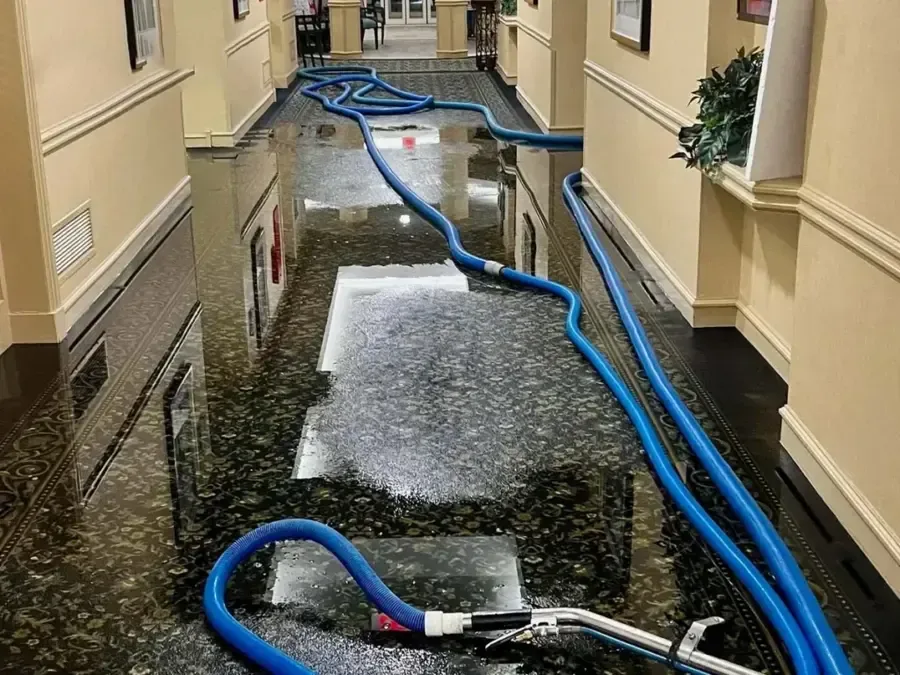
Water Extraction and Removal
Standing water is removed from open floors, edges, carpet, and accessible cavities before a moisture map directs the drying setup.
View service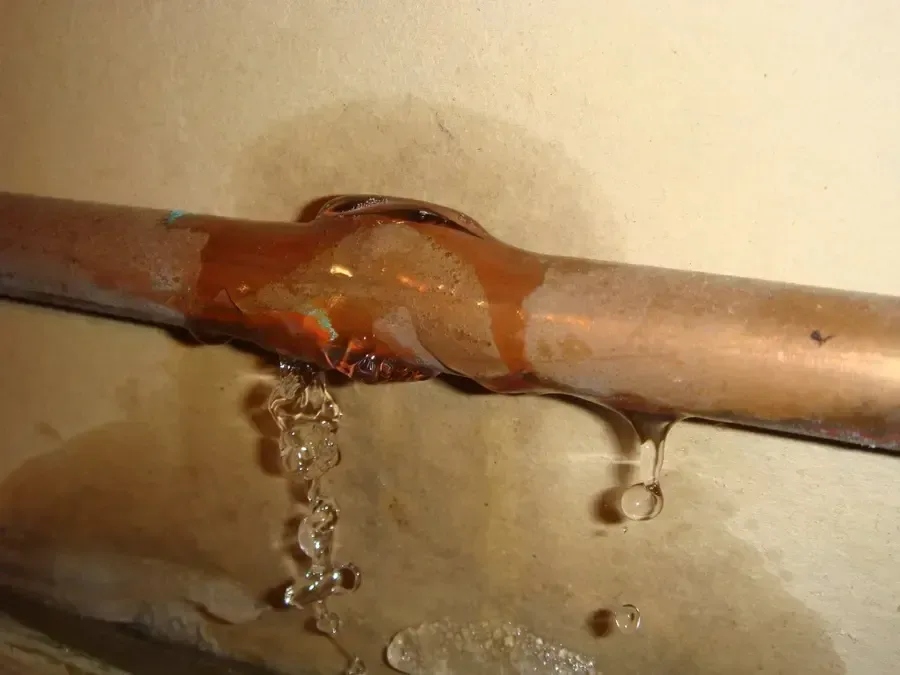
Burst Pipe Water Damage
Pressurized pipe water is traced through walls, ceilings, floors, and any finished basement reached below the break.
View service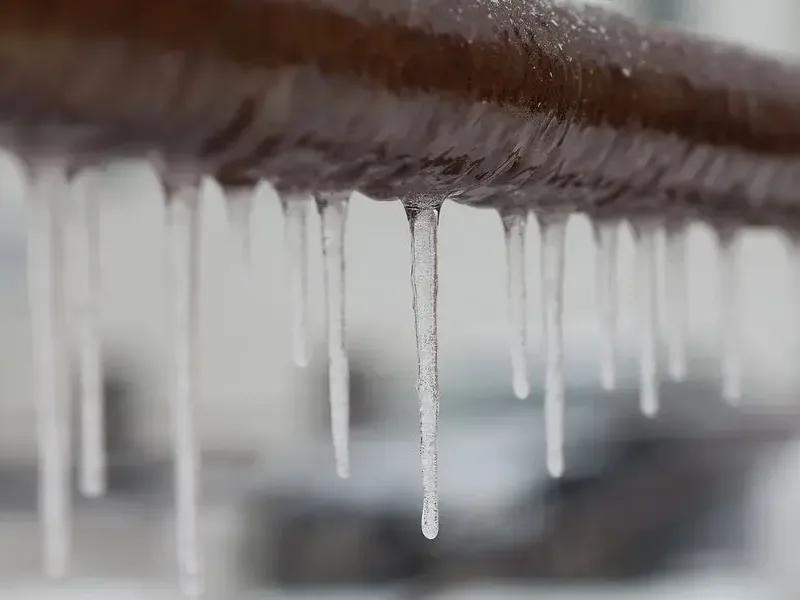
Frozen Pipe Water Damage
Cold exposed plumbing is evaluated during the thaw, with source control prepared before a concealed split begins releasing water.
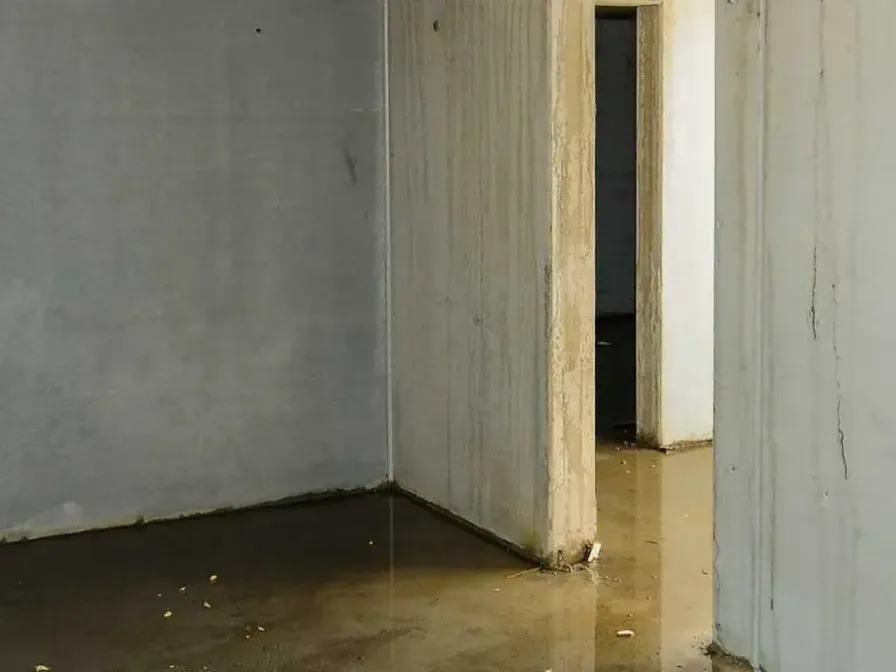
Basement Flooding Cleanup
Lower level cleanup separates indoor releases from outside water, then sorts flooring, wall bases, contents, and structural moisture.
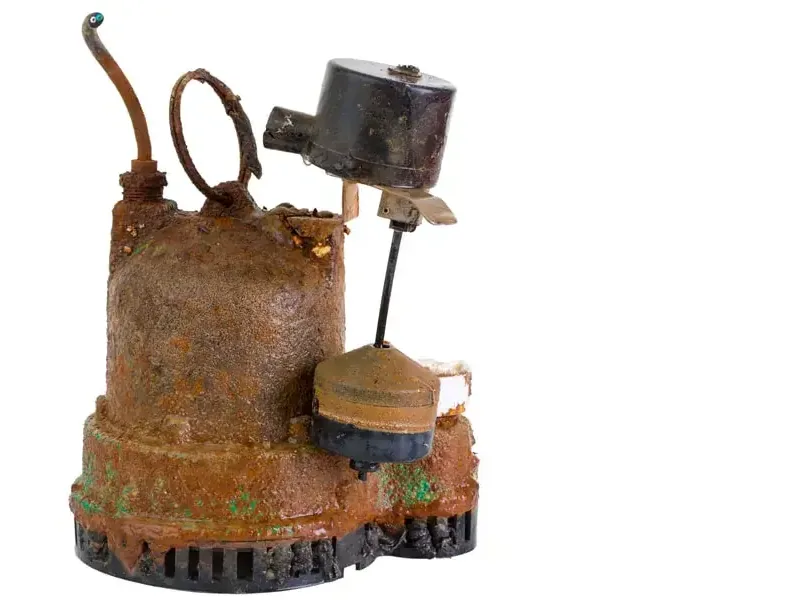
Sump Pump Failure Cleanup
Where a sump system is actually present, the pump, inflow, power, and discharge conditions are checked before extraction begins.
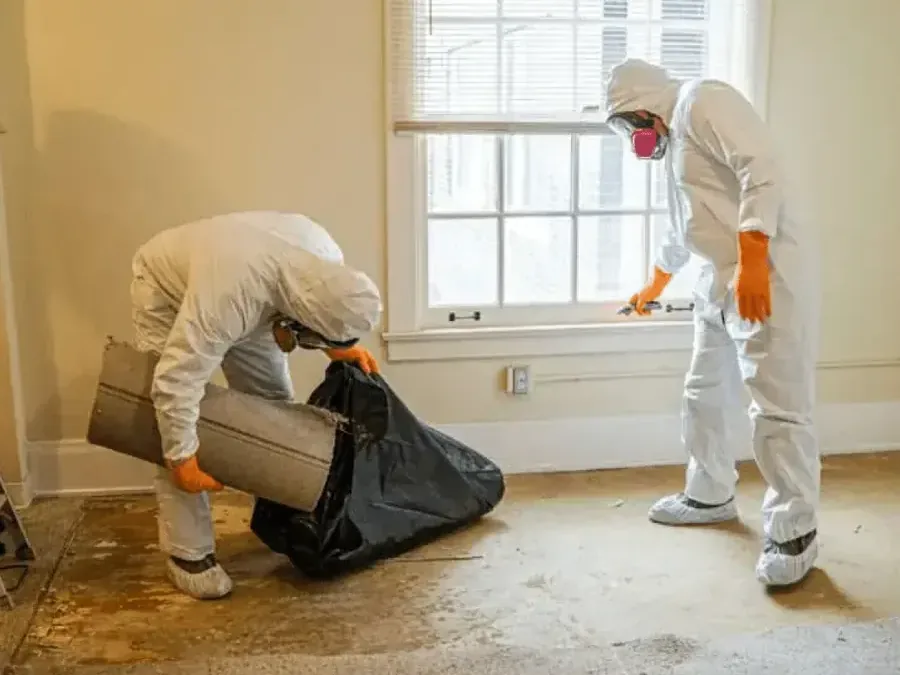
Sewage Backup Cleanup
Affected rooms receive restricted access, porous material removal, detailed surface cleaning, and post cleaning structural drying.
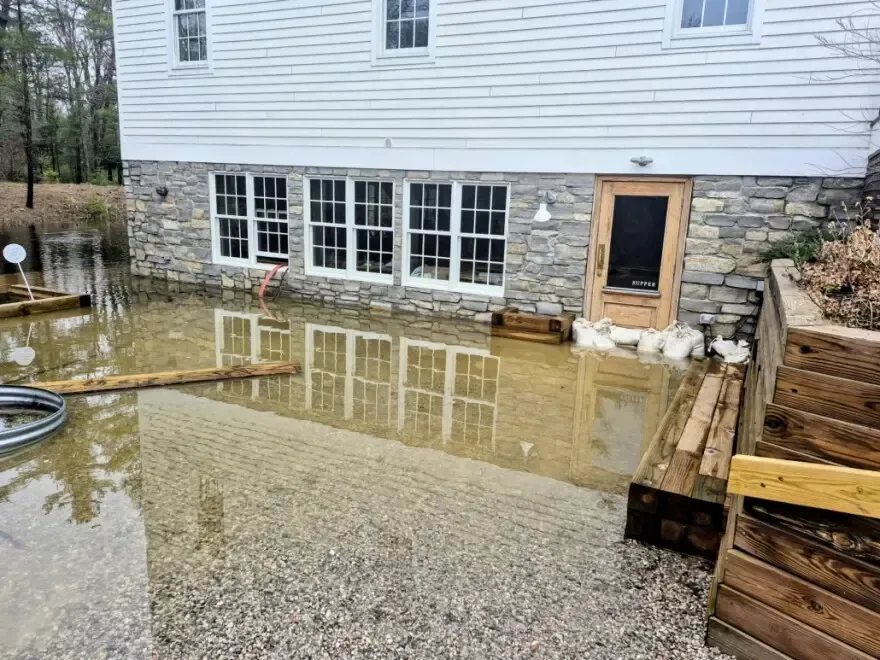
Storm Water and Flash Flood Cleanup
Outside water and sediment are evaluated by source and exposure before extraction, material decisions, cleaning, and monitored drying.
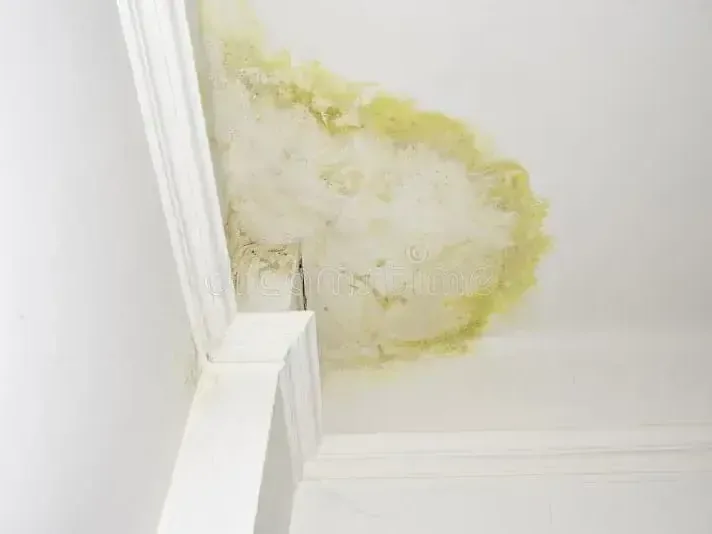
Roof Leak Water Damage
Hail or wind driven precipitation may reveal roof entry that travels through attic insulation and ceiling cavities indoors.
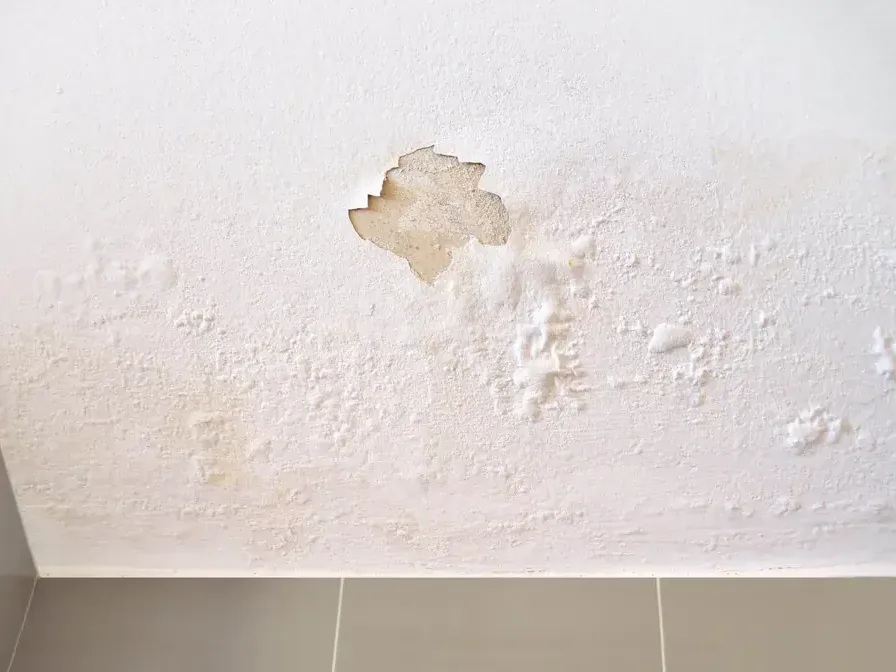
Ceiling Leak Water Damage
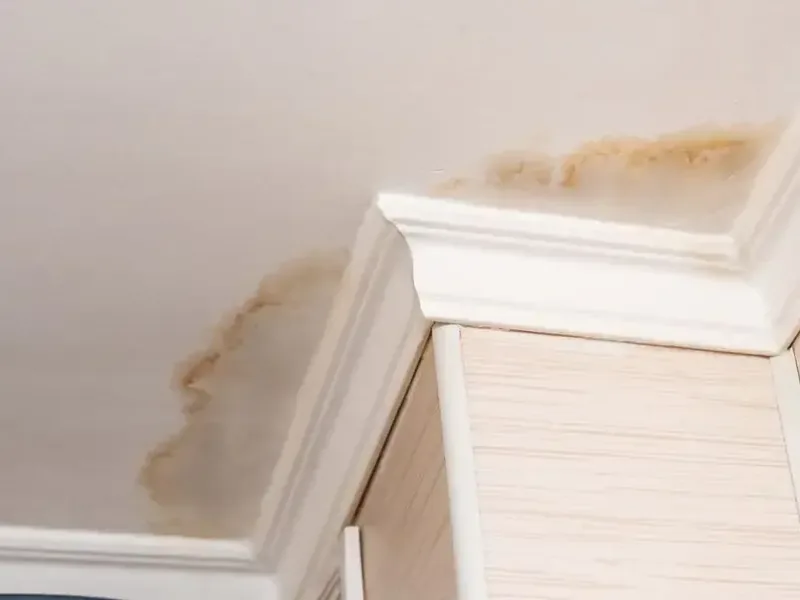
Overhead leaks are traced to plumbing or weather entry while unstable drywall, insulation, framing, and floors are protected.
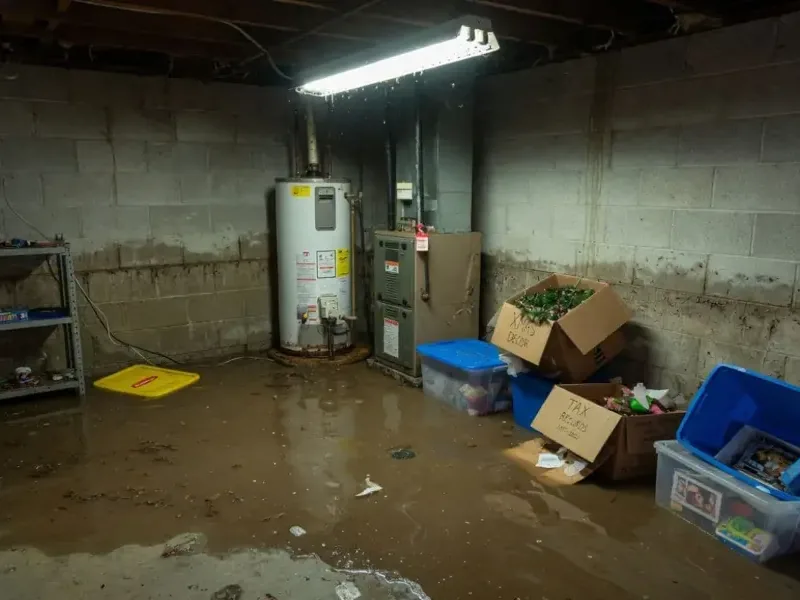
Water Heater Leak Cleanup
Tank and fitting failures are isolated, then water is recovered from utility areas, nearby finishes, and any lower room.
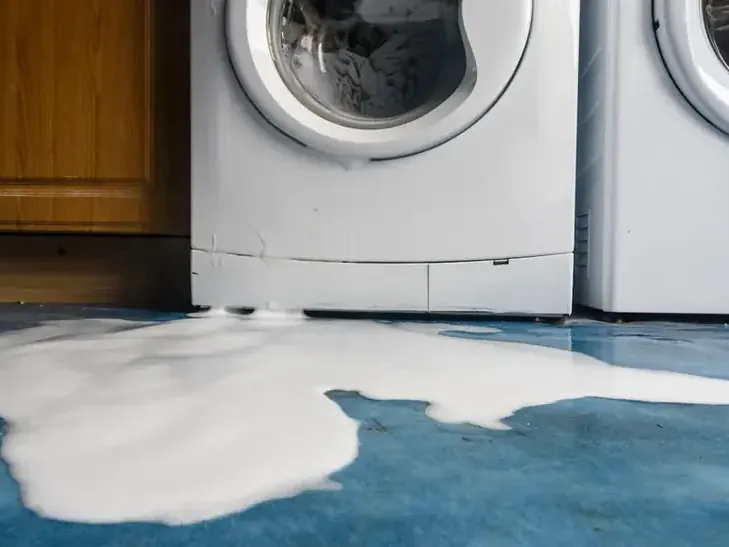
Appliance and Supply Hose Leaks
Washer, dishwasher, and refrigerator releases are followed beneath cabinets, flooring, thresholds, and shared walls.
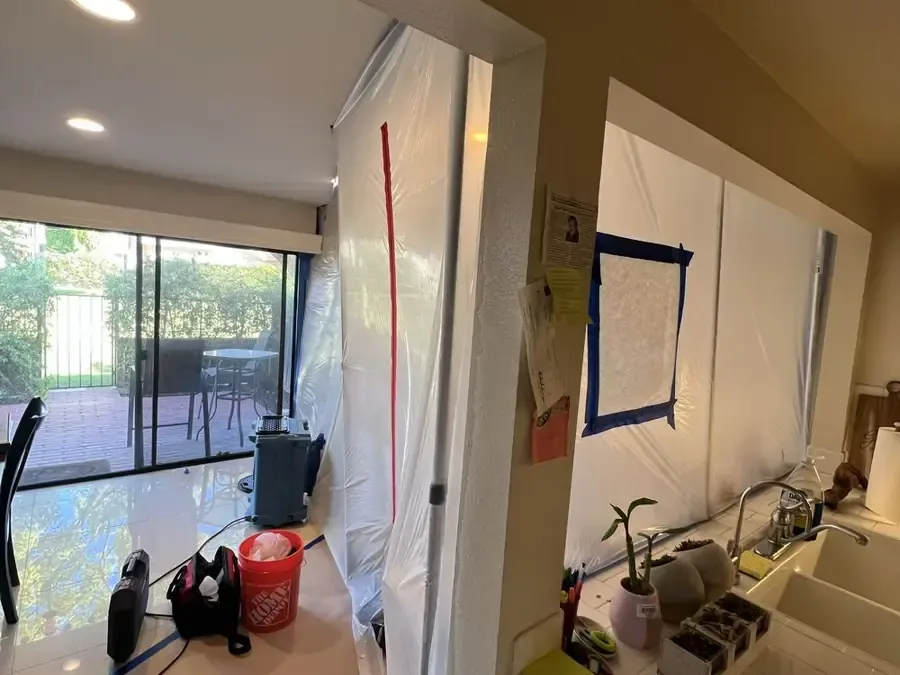
Structural Drying and Dehumidification
Air movement and dehumidification follow repeated readings until every retained material zone reaches its documented dry goal.
Water risks that shape the first response
Finished lower levels exist
Housing listings document ranch and two story homes with finished basements, so lower level flooring, drywall, contents, and stairs may all enter a cleanup scope.
Hail can expose roof entry
Colorado hail is documented as a roof concern, making attic insulation, ceiling cavities, and wall tops important checks after an overhead leak appears.
A measured sequence from source to dry materials
Every loss has a different route, so the work follows evidence from the first safety check through the final recorded moisture readings.
Define the event
The crew confirms source status and water category, then maps visible and concealed spread before moving materials. Safety findings remain visible in the record.
Remove what is present
Standing water, unsafe debris, and nonrestorable porous materials are handled in an order that preserves clean access. Clean pathways stay separate during removal.
Dry what can remain
Equipment is arranged around framing, drywall, floors, concrete, and other retained materials according to their measured moisture. Equipment changes follow measured material response.
Prove completion
Repeat readings, photographs, and room notes show how each drying zone changed and why the equipment can leave. Slow concealed edges receive the last verification.
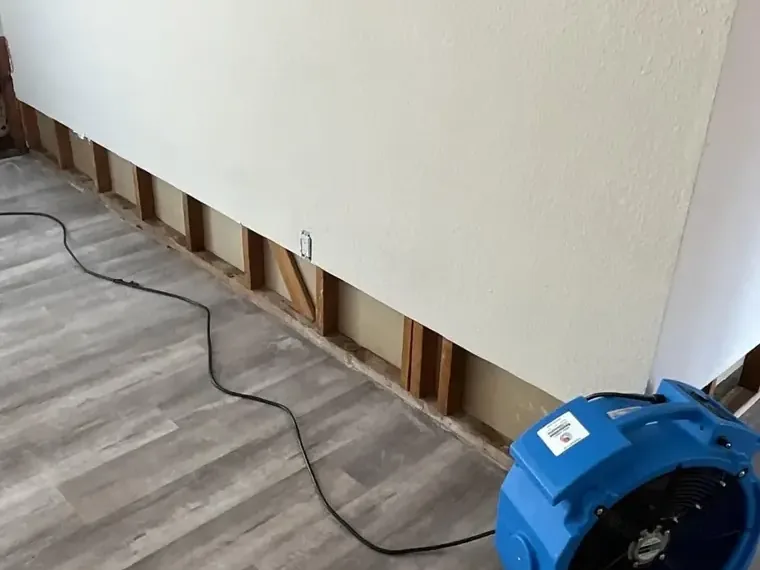
How a water loss is handled
Rapid local response
Active water is treated as urgent through 24/7 dispatch.
IICRC S500 drying standard
Moisture mapping sets the equipment plan and the dry goal.
Claim-ready documentation
Daily readings, photos and the category and class build the file.
Firestone water experts
Local conditions shape extraction, access and structural drying.
What does water damage restoration cost in Firestone, CO?
Cost follows the source, water category, affected area, materials, access, contents, and time wet. An inspection defines the removal, cleaning, equipment, and monitoring actually required. Hidden spread and contamination can change that scope after open water is removed.
Contained clean loss
- One accessible room affected
- Limited finish removal required
- Focused drying equipment placement; source access and room protection included
Finished basement
- Flooring and walls receive water
- Contents need movement or protection
- Several drying zones require monitoring; wall and floor boundaries measured
Sewage or outside water
- Contaminated porous material removed
- Detailed cleaning before drying
- Broad documentation and equipment scope; waste routes and durable surfaces documented
Documentation for your insurance claim
A clear restoration record connects the water event to affected rooms, material decisions, equipment use, moisture progress, and the completed condition. That sequence helps explain why each task was necessary.
- Source and shutoff notes
- Photographs before material movement
- Room based moisture readings
- Removed material and contents records
- Final measurements and completion photos with protected work route notes
Coverage decisions belong to the policy and carrier. Property owners can report the loss promptly, preserve receipts, keep claim contacts organized, and ask what documentation the adjuster wants before discarding unusual items. Photographs should remain in their original order, with dates and room names preserved for context.
These ranges describe common restoration scopes, not a property quote. Source correction, reconstruction, unusually difficult access, and contents work can be separate. A site assessment establishes the actual work.
All water damage categories covered in Firestone, CO
Clean source releases
Supply pipe, tank, and appliance water begins with better material options, but duration and hidden spread still determine removal and drying. Duration matters too.
Used indoor water
Water from fixtures or appliances may carry residue that changes cleaning, handling, and whether absorbent finishes can remain.
Sewage and outside water
Backups and storm entry require stricter access, porous material decisions, cleaning, and a controlled transition into structural drying.
What a water damage dry out looks like in Firestone
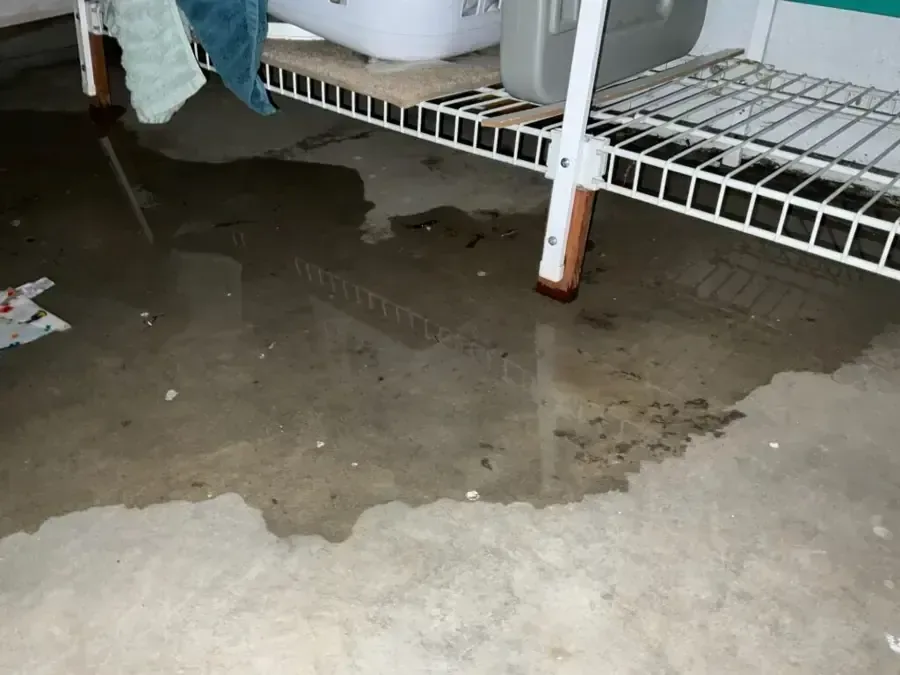
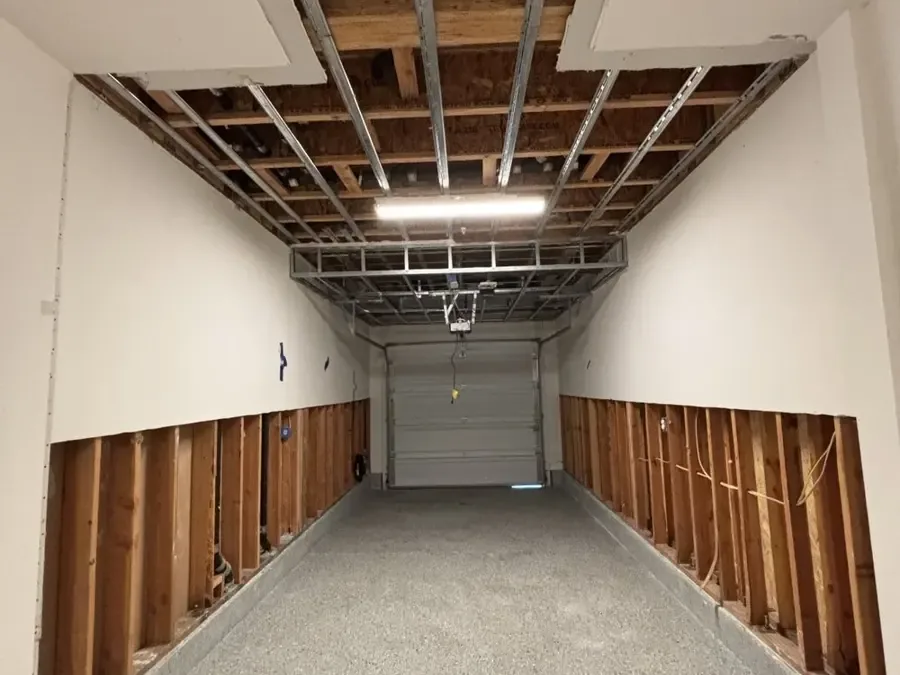
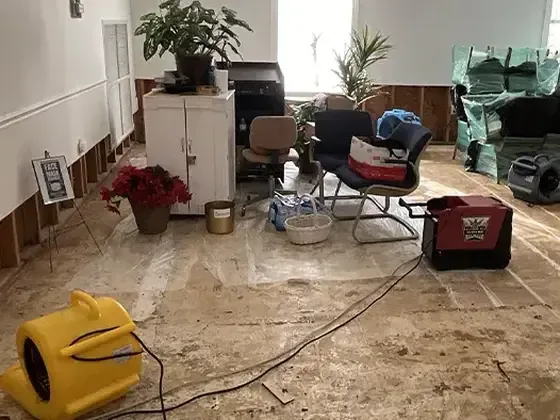
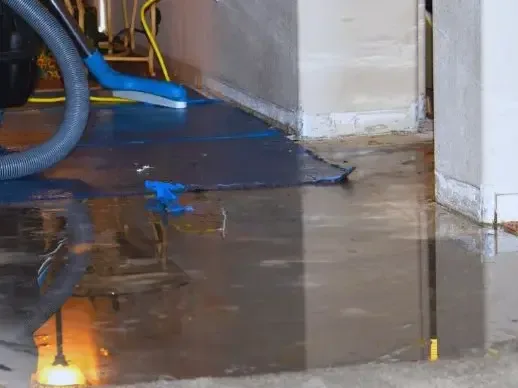
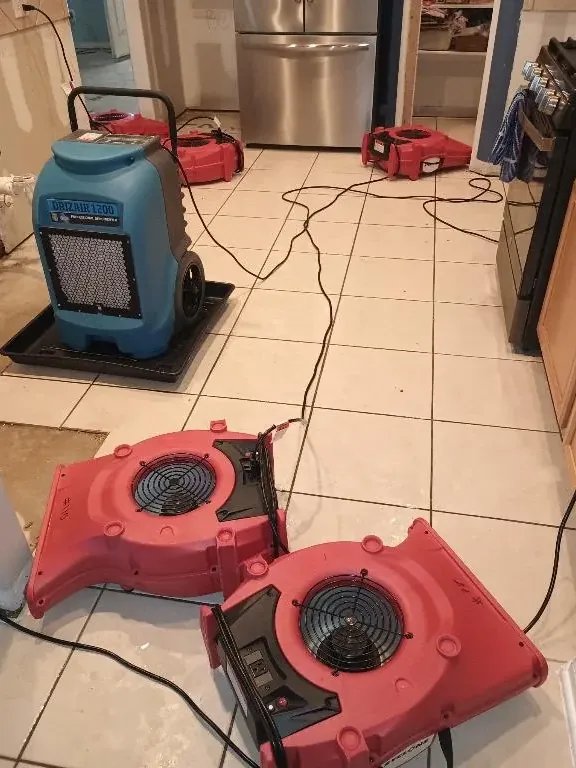
Water damage dried to the IICRC S500 standard
A baseline for each material
Starting measurements separate wet zones from dry references and identify which wall, floor, ceiling, or cavity readings must be repeated.
Equipment with a stated purpose
Air movement promotes evaporation at a surface, while dehumidification removes the released vapor and supports continued drying.
Changes tied to results
A stalled reading prompts a placement, access, or material decision, while steady progress supports the existing plan until completion.
What supports a documented dry result
The room may look finished before concealed wood, drywall edges, or floor layers are ready, so measurements decide the end point. Hidden edges need their own confirmation.
Protect people and preserve useful evidence
- Stop a known source. Use a safe, familiar building or fixture shutoff when possible. Avoid entering water near electrical equipment or reaching behind a wet appliance.
- Keep the area quiet. Move occupants and pets away from sagging ceilings, sewage, slippery floors, and rooms where structural or electrical conditions are uncertain.
- Photograph from safety. Record the source area, water boundary, damaged materials, and visible contents before cleanup changes the scene, without walking through hazards.
- Move only dry property. Shift unaffected items from an accessible dry edge. Leave saturated furniture, contaminated goods, and objects beneath unstable finishes for planned handling.
- Share the clearest facts. Explain when water was noticed, which rooms show damage, what has been shut off, whether sewage or outside water is possible, and what is below.
Water damage help across Firestone and nearby areas
Service reaches established neighborhoods, newer housing, and commercial or multifamily properties throughout the town.
ZIP area
The confirmed ZIP is used for coverage context and does not limit response within town.
Neighborhoods
More local areas
Nearby communities served
One call reaches Firestone water damage pros, 24/7
The response team starts with the source, safety and the rooms already wet, then sets the extraction and drying plan.
(888) 532-8620Describe where the water reachedConditions that shape restoration decisions here
The local picture includes finished basements, hail exposure, cold weather plumbing, a documented flood history, and buildings served through a regional water district. Each event still needs direct inspection because the source and construction vary by property.
Flooding has damaged supply pipes
A historic notice describes water supply pipes damaged during flooding, reinforcing the need to separate outside water entry from a broken indoor supply.
Cold affects exposed plumbing
Exterior wall, garage, and basement pipes can face severe cold, and a concealed split may release only after frozen water begins to thaw.
Water features sit near housing
Wakefield Lake and Barefoot Lakes are named local features, while any actual property loss still requires source specific inspection rather than assumptions.
Several building types use the system
The documented water system description includes residential, commercial, and multifamily properties, each with different access, occupancy, and drying needs.
Water damage restoration questions
What should happen first after finding water?
Keep people away from electrical hazards, sewage, unstable ceilings, and slippery areas. Stop a known safe source, photograph conditions from a dry approach, and arrange a moisture assessment. The answer remains tied to measured conditions at that property.
How is hidden water located?
The crew compares direct material readings across wet and dry looking areas, follows gravity and openings, and checks adjoining rooms, wall bases, flooring transitions, cabinets, and spaces below. The answer remains tied to measured conditions at that property.
Does every wet material need removal?
No. Water category, material condition, saturation, access, and drying response control the choice. Some durable or stable materials can remain after cleaning and measured drying. The answer remains tied to measured conditions at that property.
Can a finished basement be dried after flooding?
Often, but the source and category come first. Flooring layers, drywall, insulation, framing, contents, and concrete are evaluated separately before deciding what can remain. The answer remains tied to measured conditions at that property.
How is sewage cleanup different?
Access is restricted, contaminated porous materials are removed, durable surfaces receive detailed cleaning, and clean drying equipment is introduced only after the affected zone is prepared. The answer remains tied to measured conditions at that property.
What does structural drying include?
It includes a moisture baseline, dry references, selective access where needed, purposeful air movement, dehumidification, repeated readings, equipment adjustments, and final verification for retained materials. The answer remains tied to measured conditions at that property.
Who repairs the failed pipe or appliance?
The appropriate plumbing, roofing, or appliance trade handles source repair. Restoration addresses escaped water, material condition, cleaning, removal, and the building drying record. The answer remains tied to measured conditions at that property.
What affects restoration cost?
The main factors are source, water category, affected area, material types, hidden spread, access, contents, duration, removal needs, cleaning, equipment load, and monitoring visits. The answer remains tied to measured conditions at that property.
What records can support an insurance claim?
Useful records include photographs, source and shutoff notes, room measurements, material removal details, equipment placement, monitoring changes, invoices, and final moisture results. The answer remains tied to measured conditions at that property.
When is the work considered dry?
Completion depends on readings from every retained zone compared with appropriate material references. A dry looking surface or comfortable room air does not confirm concealed assemblies. The answer remains tied to measured conditions at that property.
Water inside the property?
Call with the source, affected rooms, safety concerns, and any shutoff action already taken. Include whether water is still moving.
(888) 532-8620Discuss the loss detailsStart with the source and the rooms affected
A focused first conversation helps identify hazards, source status, contamination, and the likely water path before arrival.
(888) 532-8620Explain the water event