Water Damage Restoration Boulder, CO
A water loss in Boulder can begin with a frozen supply pipe, a failed appliance or stormwater crossing a threshold. Restoration starts with source control and a moisture map, then extraction and drying of the materials that actually got wet.
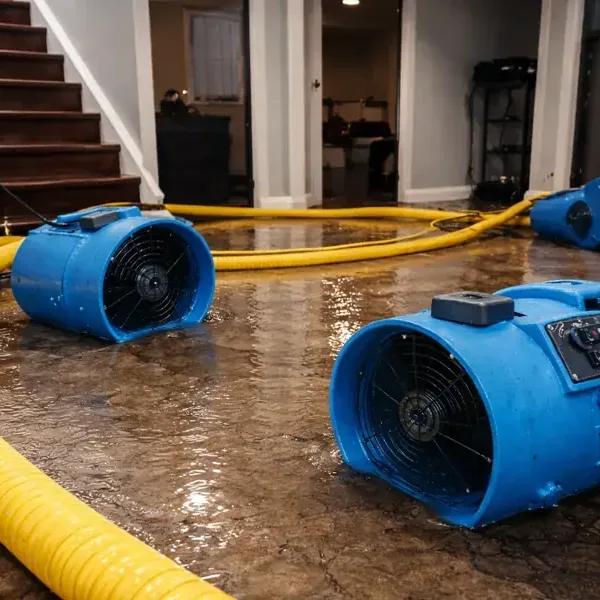
Equipment and drying standards
Water Damage Restoration Services in Boulder, CO
Creek flooding and indoor plumbing failures call for different cleanup decisions. The services below explain how crews handle each source, protect adjoining rooms and measure drying progress through the final inspection.
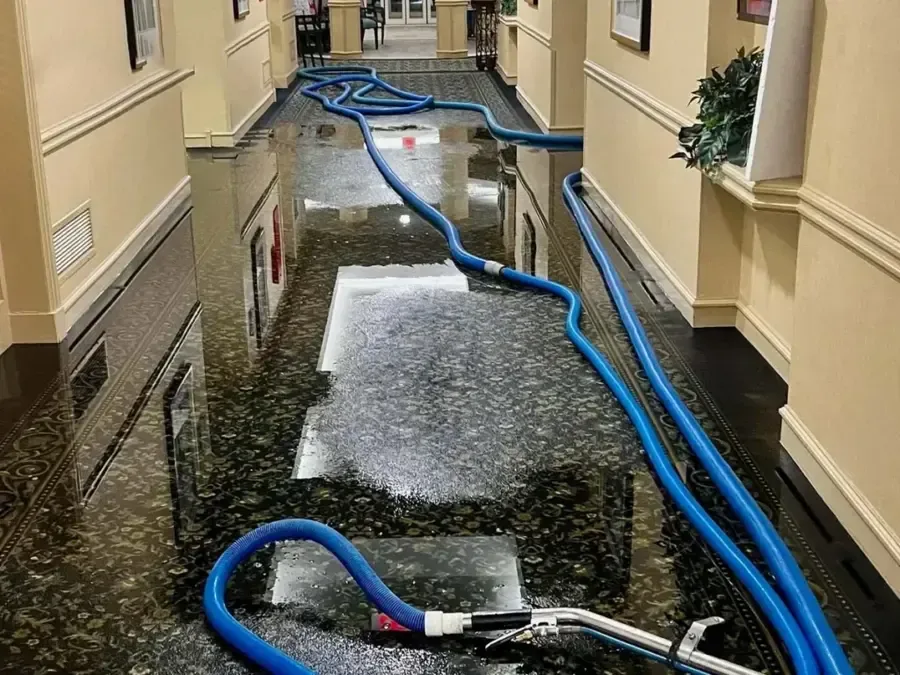
Water Extraction and Removal
Pumps and wet vacuums lift standing water off floors and out of carpet before it wicks upward.
View service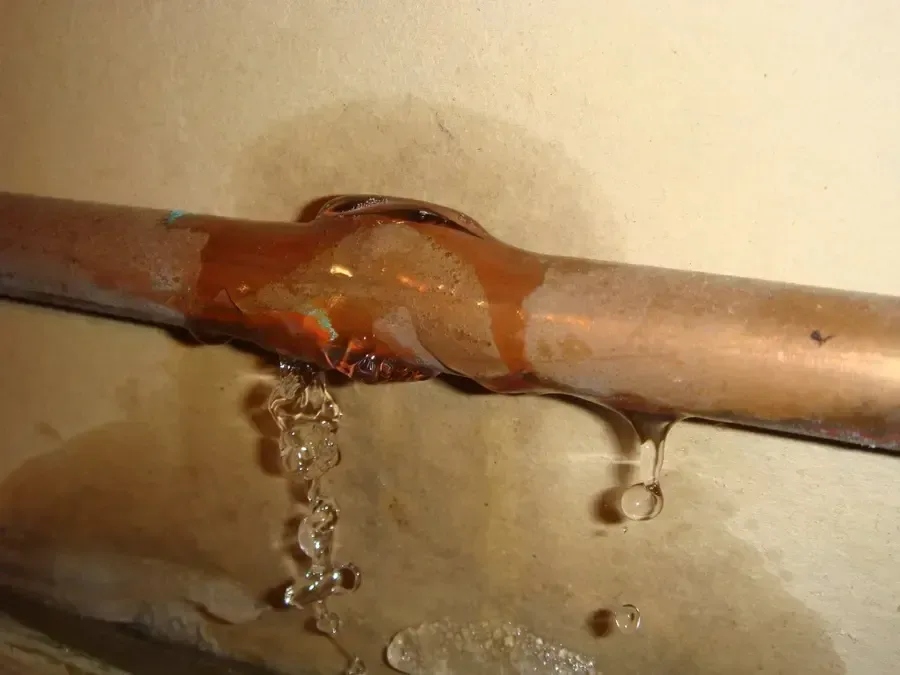
Burst Pipe Water Damage
A split supply pipe is shut off, soaked drywall and flooring are opened, and drying equipment goes in.
View service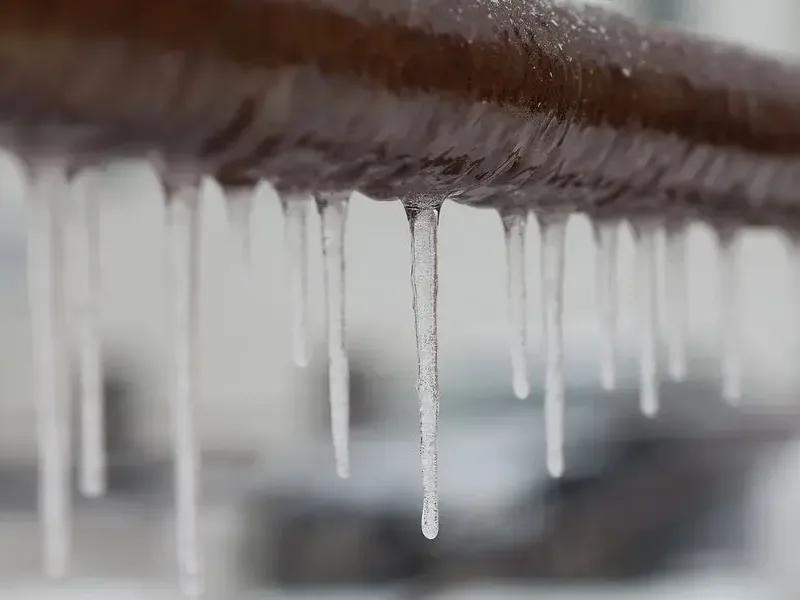
Frozen Pipe Water Damage
Winter splits flood a home at thaw, so the break is traced and every wet cavity gets dried.
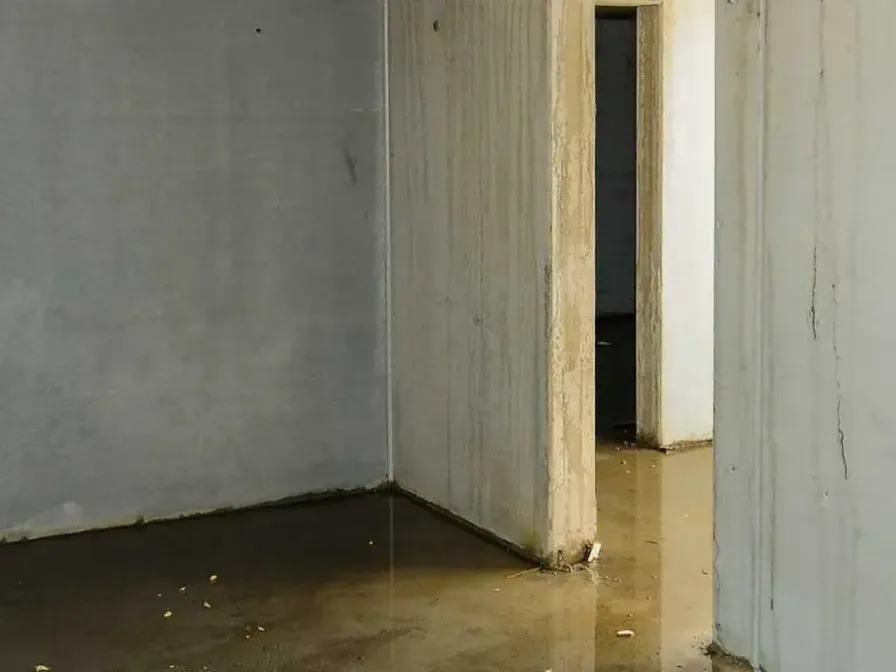
Basement Flooding Cleanup
Lower levels that took on water are pumped, stripped of ruined finishes and dried back to dry readings.
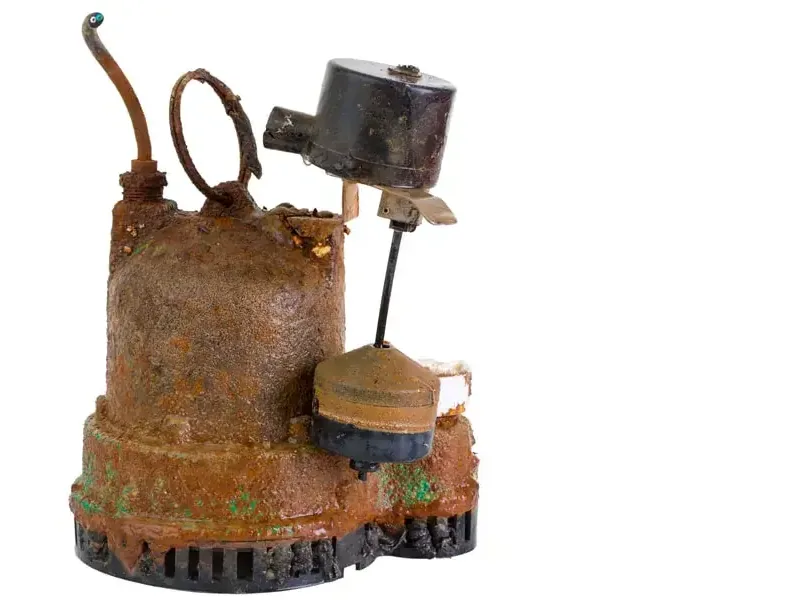
Sump Pump Failure Cleanup
When a sump pump quits, the crew clears the pit area, the floor and the walls around it.
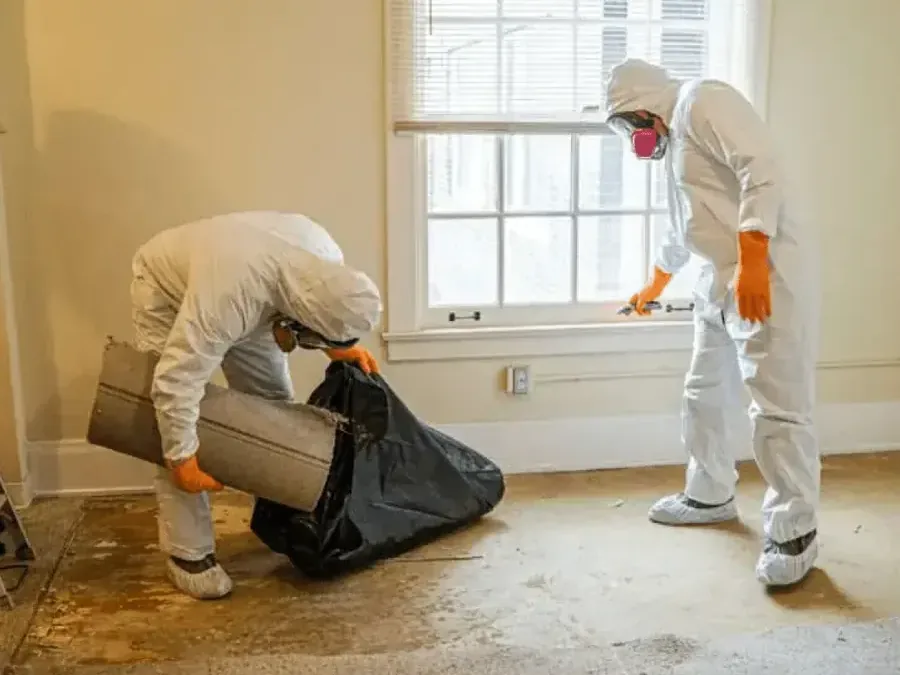
Sewage Backup Cleanup
Contaminated water is removed, affected materials are discarded and surfaces are cleaned and sanitized safely.
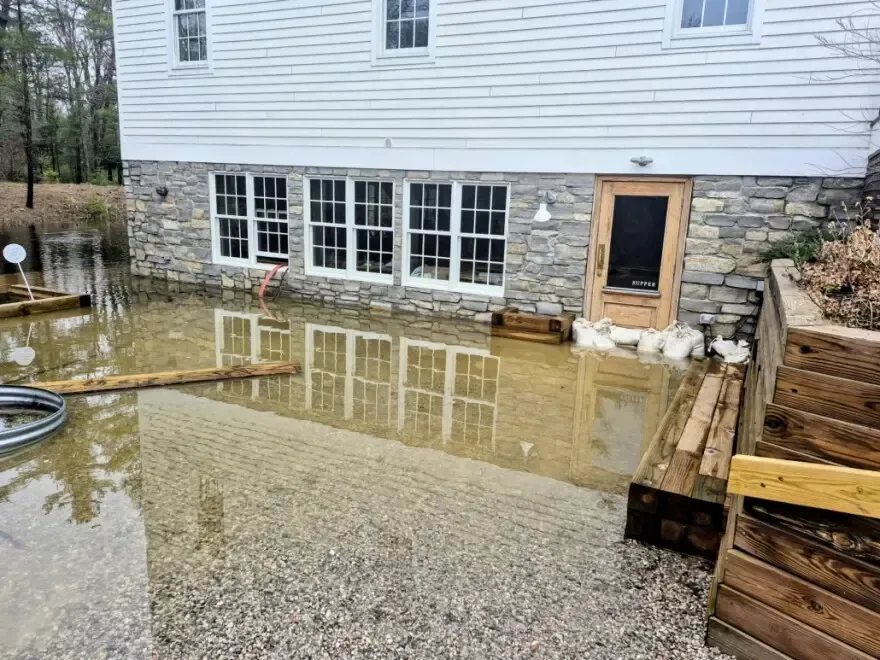
Storm Water and Flash Flood Cleanup
Storm runoff and creek-fed flooding are pumped out, then affected rooms are cleaned and dried.
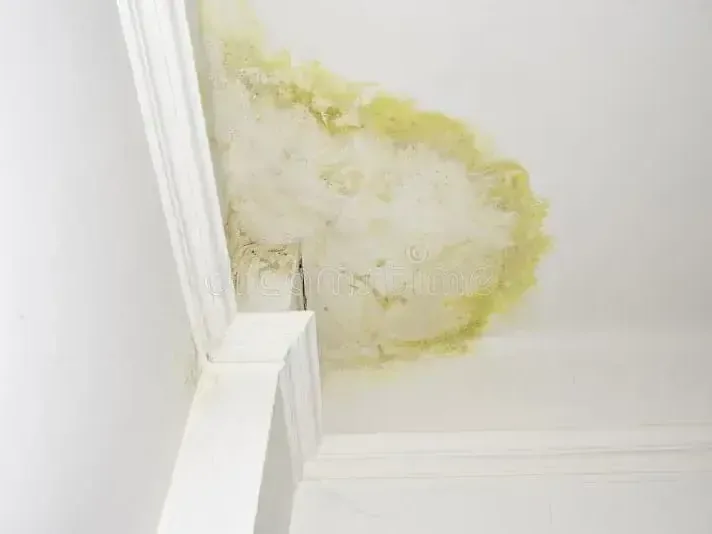
Roof Leak Water Damage
Water that came through a damaged roof is traced through the ceiling, insulation and walls below.
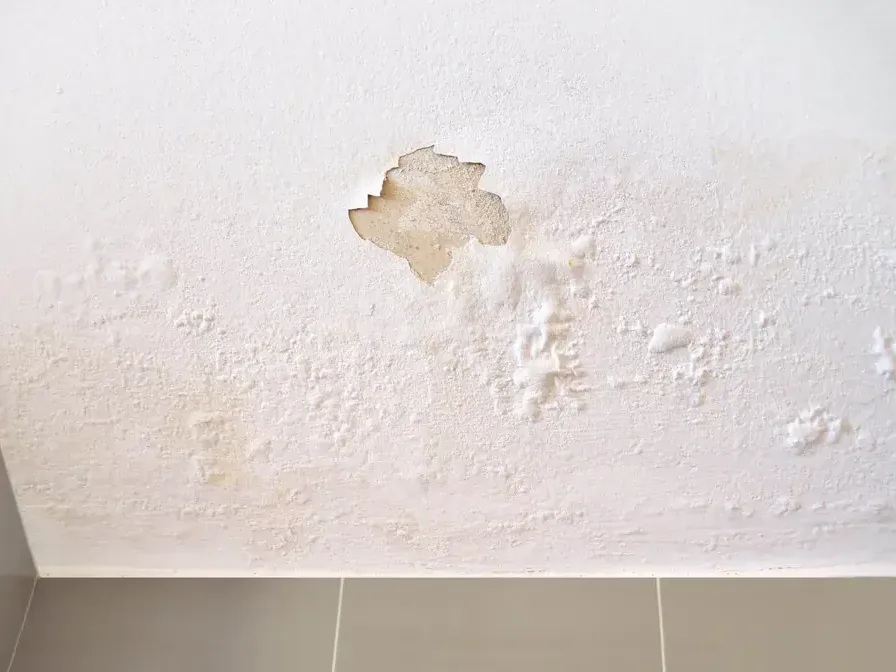
Ceiling Leak Water Damage
Stained or sagging ceilings are opened, dried and checked for the source above them.
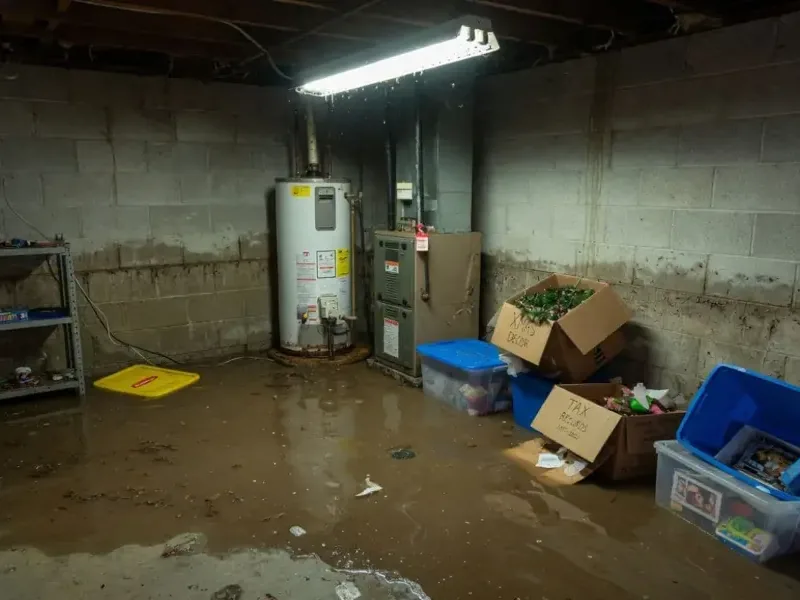
Water Heater Leak Cleanup
A failed tank can soak floors and shared walls, so the water is removed and the area dried.
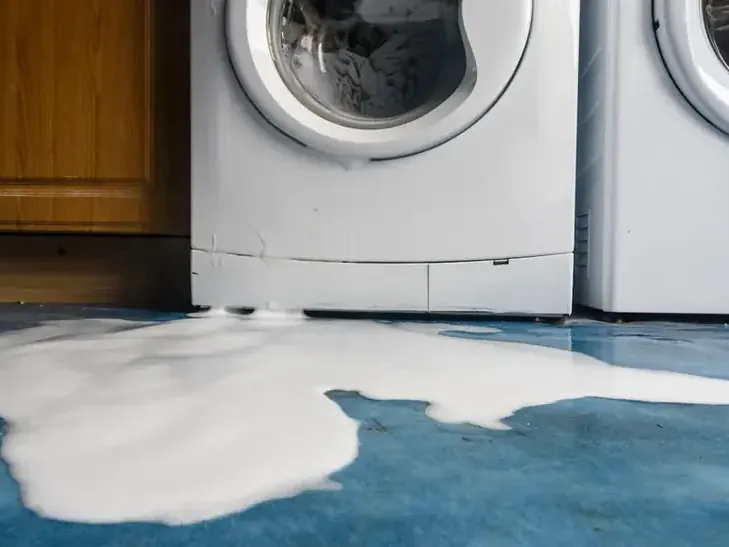
Appliance and Supply Hose Leaks
Dishwasher, washer and supply hose leaks are dried under cabinets and flooring where they hide.
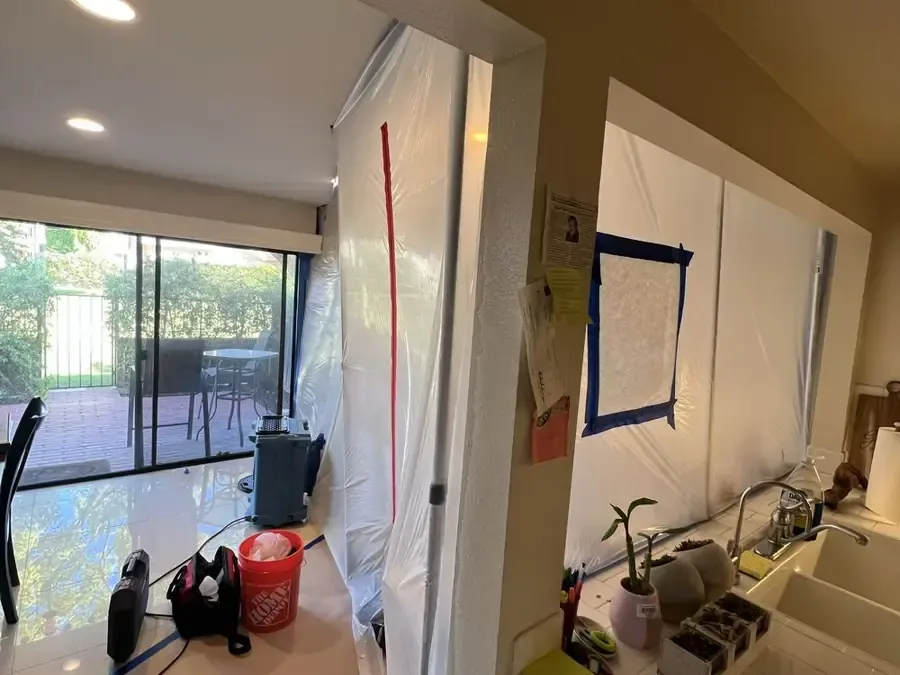
Structural Drying and Dehumidification
Air movers and dehumidifiers dry framing, subfloor and wall cavities until readings match dry reference.
Water risks that shape the first response
Heavy rain and creek flooding
Destructive flooding in September 2013 closed roads and the university campus. A cleanup plan starts with where water entered, how high it rose and the materials it reached.
Changing floodplain maps
Boulder maintains FEMA-approved floodplain maps. Studies, topography, development and mitigation work can change them. A map helps assess exposure but cannot identify water already inside walls.
From first call to a dry, documented house
Each job moves through the same four stages, so the plan stays clear and measurable even when the damage reaches several rooms.
Contact and triage
The call covers the source, the water type and what has been shut off, and then the crew plans the first visit.
Inspection and mapping
Moisture meters trace the wet areas through floors, walls and ceilings, so extraction and removal focus only on what is actually damaged.
Removal and drying
Water is extracted, ruined materials come out, and air movers and dehumidifiers are placed so the whole structure dries completely.
Verification and records
Final readings are logged against dry reference points, and photos, notes and a scope of work are gathered for the insurer.
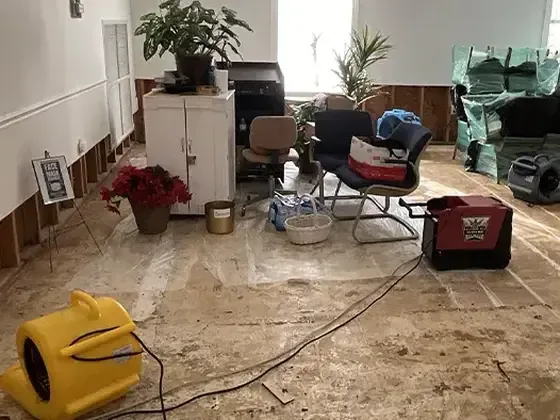
How a water loss is handled
Rapid local response
Active water is treated as urgent through 24/7 dispatch.
IICRC S500 drying standard
Moisture mapping sets the equipment plan and the dry goal.
Claim-ready documentation
Daily readings, photos and the category and class build the file.
Boulder water experts
Local conditions shape extraction, access and structural drying.
What does water damage restoration cost in Boulder, CO?
Most water damage jobs here land between $1,200 and $20,000, depending on how many rooms are wet, what the water carried and how long the materials stayed damp before drying began.
Small loss
- One or two rooms affected by clean water
- Pad and baseboards checked and dried
- Short equipment stay, few visits
Mid-size loss
- Water reached a basement or several rooms
- Carpet pad and lower drywall removed
- Longer drying with daily readings
Major loss with dense materials
- Water soaked dense or layered materials
- Walls, subfloor and flooring opened
- Extended equipment time
Documentation for your insurance claim
Insurers look for proof of what happened, when it happened and what it damaged, so the paperwork starts with the first photos and continues through the final readings.
- Photos of the source and damage
- Date and time the loss began
- List of damaged belongings
- Moisture reading logs from the crew
- Receipts for emergency repairs
The crew supplies readings, photos and a scope of work, while the homeowner talks with the insurer about coverage. Policies differ on sudden versus gradual damage and on sewer backups, so reading the policy early avoids surprises once the claim is open.
Final cost follows the moisture readings, not a guess. The crew explains the scope after the inspection, and an insurer's coverage decision is separate from the restoration price.
How the water source changes cleanup
Pipe and supply leaks
Burst, frozen and failed fittings release clean water that still soaks drywall, flooring and insulation quickly, so opening and drying start early.
Appliance and tank leaks
Dishwashers, washers and water heaters leak slowly or suddenly, and the damage often hides under cabinets, behind panels and inside shared walls.
Storm and sewage water
Creek overflow, runoff and sewer backups bring contaminated water that needs removal, cleaning and sanitizing, with porous materials usually discarded.
What a water damage dry-out looks like
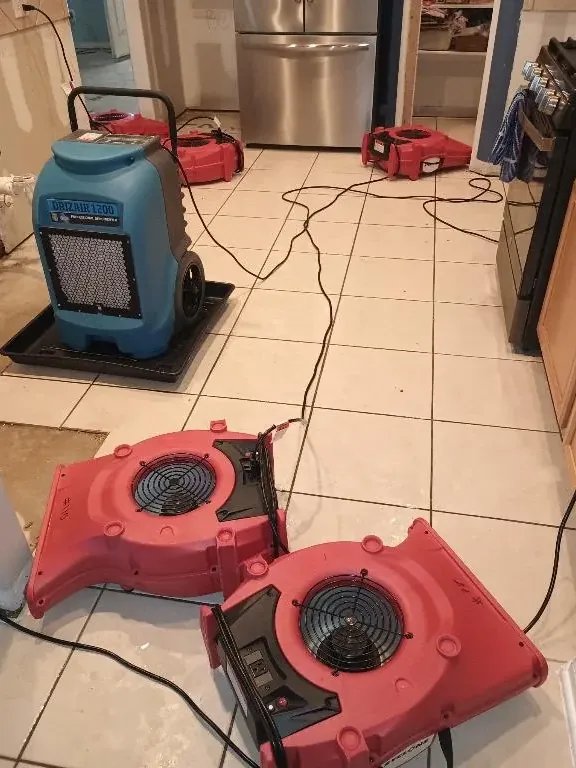
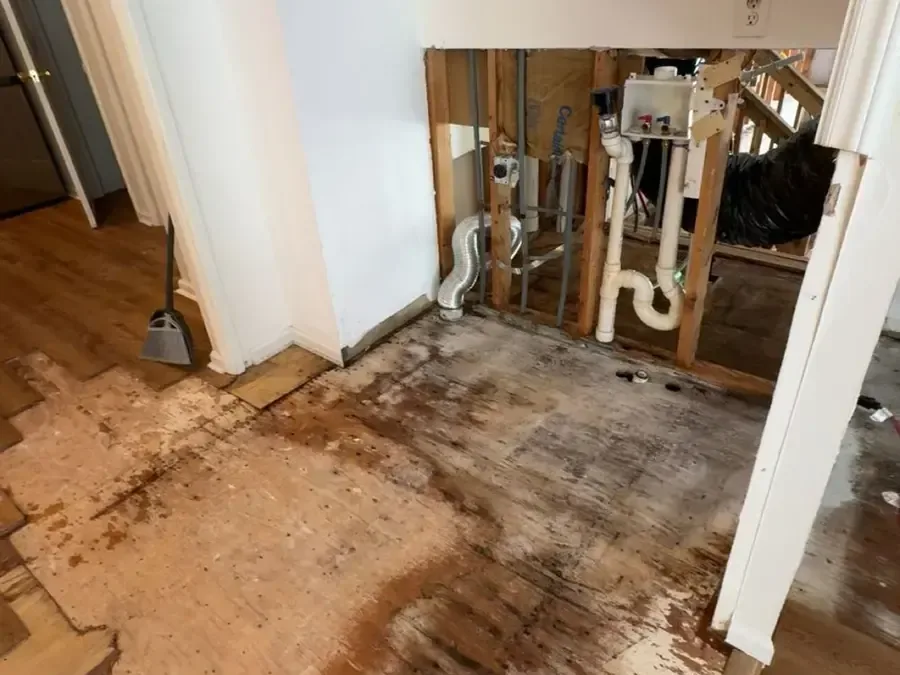
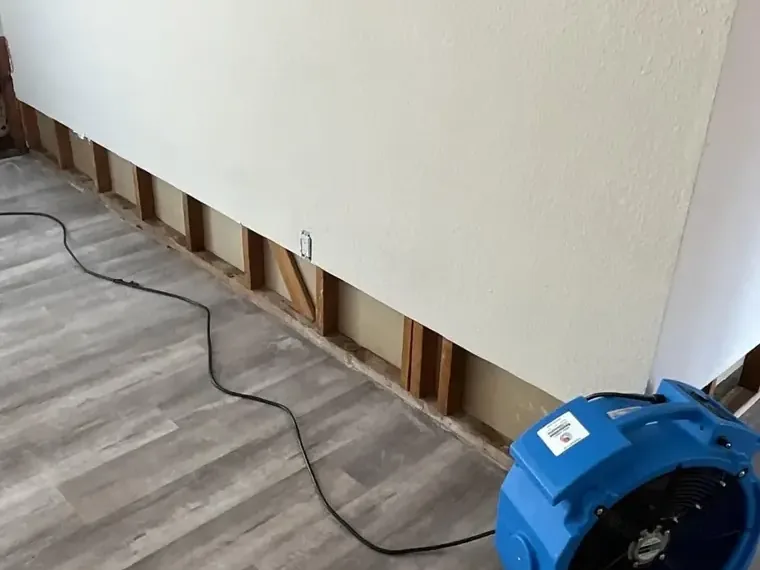
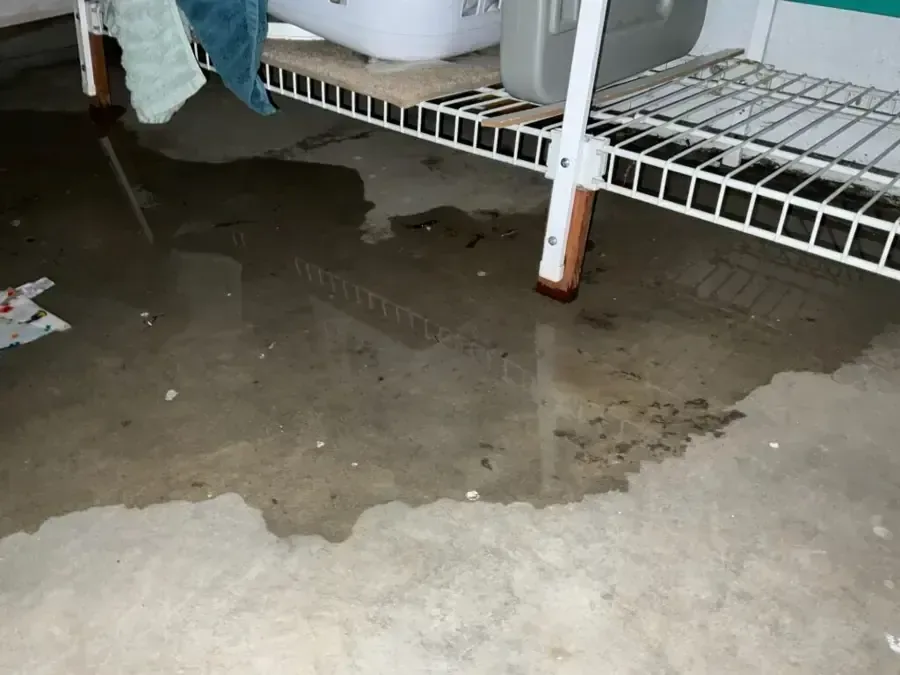
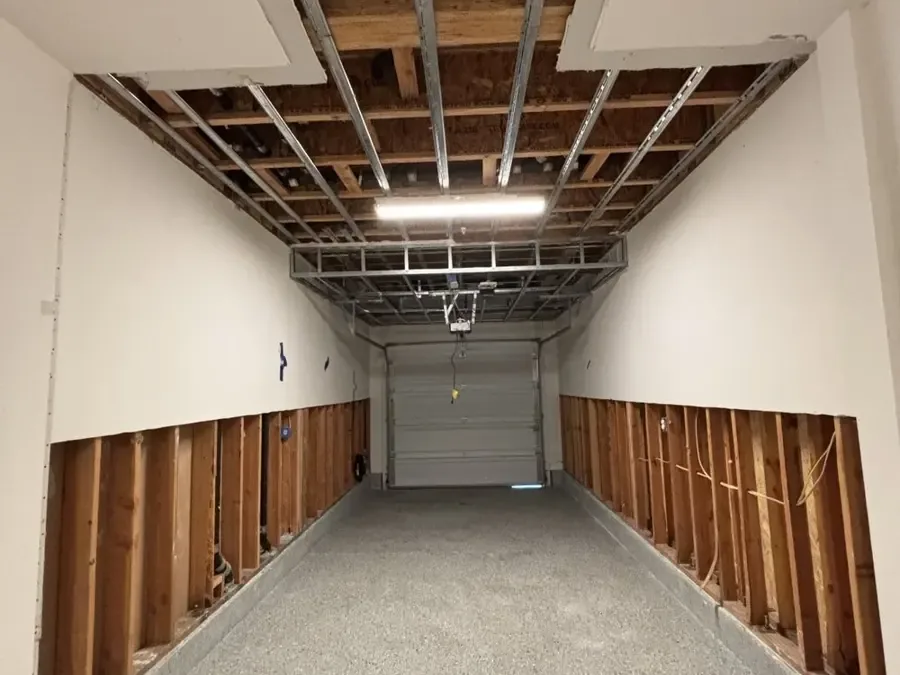
Water damage dried to the IICRC S500 standard
Measured, not guessed
Moisture meters and thermal readings decide where equipment goes, how long it runs and when the structure counts as dry.
Documented every day
Daily readings and photos show progress on every visit and give an adjuster a clear, dated record of the work that was performed.
Water losses only
The work stays on water and sewage damage only, which keeps the equipment, the training and the whole process focused on one kind of problem.
Training and equipment behind each job
Every dry-out ends with readings that match dry reference points, and those numbers go in the file before any equipment is removed from the house.
What to do first when water gets into the house
- Stop the source. Close the shutoff valve or turn off the supply to the leaking appliance, and keep clear of standing water near electrical outlets.
- Make the area safe. Switch off power to wet rooms only if the panel is dry and easy to reach, and keep everyone out of deep water.
- Photograph everything. Take clear photos and short video of the source, the damage and wet belongings before anything is moved or thrown away.
- Move what is safe. Lift small furniture, rugs and electronics off wet floors, and leave heavy or soaked items for the crew.
- Call for a crew. Describe what happened, and the crew will decide whether pumping, opening walls or setting drying equipment comes first.
Cleanup across local neighborhoods
Crews cover Gunbarrel, University Hill, Downtown Boulder and mobile home communities, checking property access before the visit.
ZIP code served
These postal areas help locate the property; dispatch also needs the neighborhood, access instructions and affected rooms.
Local areas
Community anchors
Nearby towns served
One call reaches Boulder water damage pros, 24/7
The response team starts with the source, safety and the rooms already wet, then sets the extraction and drying plan.
(888) 532-8620Describe where the water reachedHow water reaches local buildings
Boulder Creek crosses the city center, carrying mountain snowmelt east toward St. Vrain Creek. Indoor losses follow a different route: failed plumbing can wet hidden cavities before a stain appears. The source and building layout determine inspection.
Cold-weather plumbing
Exterior-wall pipes can freeze, as can plumbing in attics, garages, basements and cabinets. A thaw-related leak needs inspection beside and below the damaged section before drying.
Shared walls and floors
University Hill includes student housing and commercial buildings. Downtown Boulder has apartments and mixed-use properties. Water crossing shared assemblies requires coordinated access to inspect adjoining rooms.
Mobile home connections
Boulder Meadows, Mapleton and Vista Village receive city water. Park owners maintain connections from the city meter to homes; individual owners handle leaks inside their homes.
Utility access and wastewater
The city utility provides water and wastewater services. Only city personnel may open meter pits, so source control starts at an accessible building shutoff when the area is safe.
Common water damage questions
How soon does water damage need attention?
As soon as possible, because wet drywall, pad and framing keep absorbing moisture while water sits. Early extraction and drying usually mean fewer materials to tear out and a smaller final bill for the homeowner.
Does restoration include rebuilding afterward?
The work covers extraction, removal of ruined materials, drying and documentation. Rebuilding finishes such as drywall, paint and flooring is a separate repair stage once the structure reads dry.
Why do crews open up walls?
Water travels behind baseboards and into cavities, so drywall is cut at the edge of the wet area or above it. That lets air and equipment reach wet framing and insulation instead of trapping moisture where nobody can see it.
Why is the September 2013 flood relevant to cleanup planning?
Torrential rain caused destructive flooding and closed roads and the University of Colorado Boulder. That history makes a water-entry plan useful, but the current source still has to be identified. Creek water, runoff and an indoor supply leak do not call for identical material decisions.
Who handles a sewer backup?
City of Boulder Utilities provides wastewater service. A suspected public-system problem should be reported to the utility, while a plumber can investigate a building drain. Restoration crews handle the affected rooms, including contaminated-water removal, cleaning, material removal and measured drying.
Can a townhome leak affect neighbors?
Water can cross shared walls and floor assemblies in an attached home or apartment. The crew follows moisture readings into adjoining spaces and coordinates access with the people responsible for those rooms. Tracing moisture through the shared assembly helps locate the leak beyond the visible stain.
Is the work limited to water?
Yes. The crew handles water and sewage losses only, which means extraction, removal of ruined materials, drying and documentation of the whole job, from first photos to final readings.
What happens during each drying visit?
Technicians check moisture readings, adjust air movers and dehumidifiers, and note which areas have reached dry reference points. Equipment comes out of the house only after the numbers confirm the structure is dry.
What affects the final cost?
Square footage wet, the type of water, the materials involved and how long they stayed damp all matter. An inspection with moisture readings sets the scope of work before any estimate is given.
What should be photographed for an insurer?
The source of the leak, every damaged room, wet belongings and any visible water marks. Take photos before moving items, and keep receipts for any emergency steps taken before the crew arrived.
Still have a water question?
Describe what happened and the crew will explain the next step, whether that is pumping, opening walls or setting drying equipment.
(888) 532-8620Reach restoration help directlyGet the water out and the structure drying
Call and describe the damage, and the crew will explain what to expect, from the first pumping to the final moisture readings.
(888) 532-8620Reach the drying crew