Water Damage Restoration Niwot, CO
A water loss in Niwot receives careful source control, extraction and measured drying for the materials actually affected, whether the problem begins near a pipe, appliance, drain, roof or lower level.
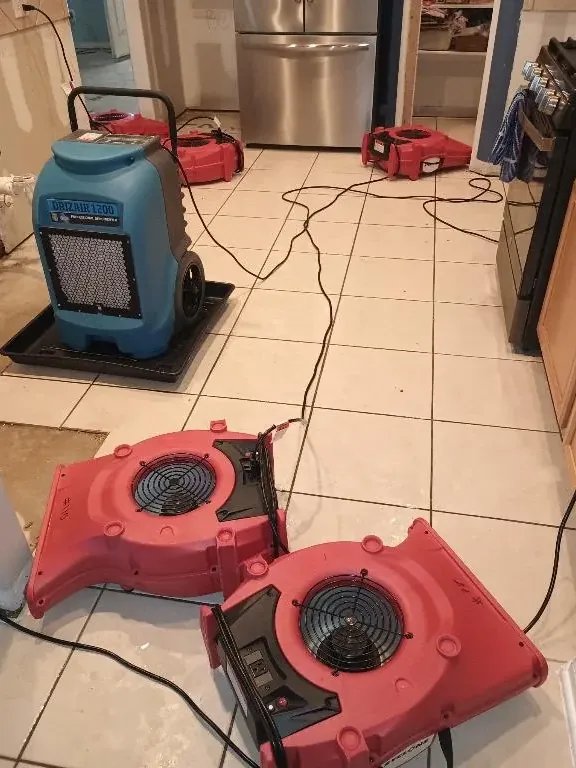
Equipment and drying standards
Water Damage Restoration Services in Niwot, CO
Each service addresses a different source and material path, giving local property owners a focused response instead of treating every wet room exactly the same way.
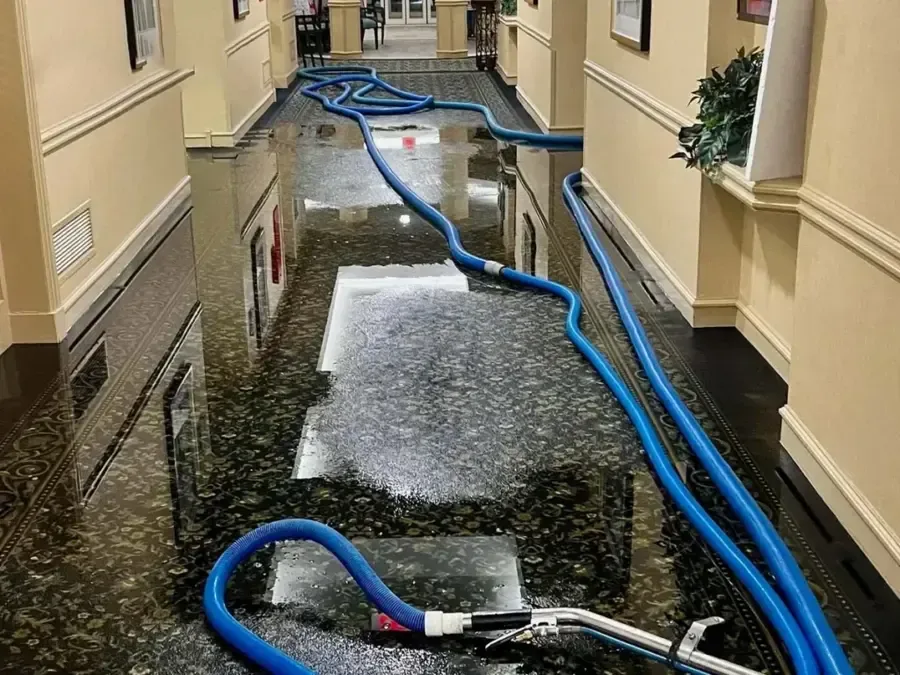
Water Extraction and Removal
Extraction equipment removes pooled water while meters reveal hidden spread beneath floors and at wall edges.
View service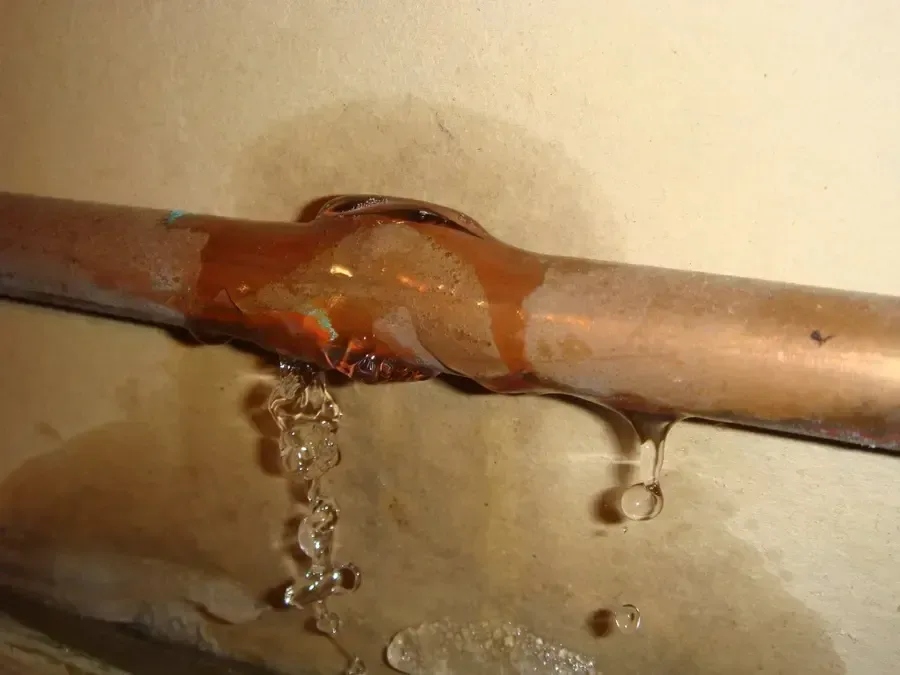
Burst Pipe Water Damage
A broken pipe is isolated, water is collected, and damp cavities are opened where readings support removal.
View service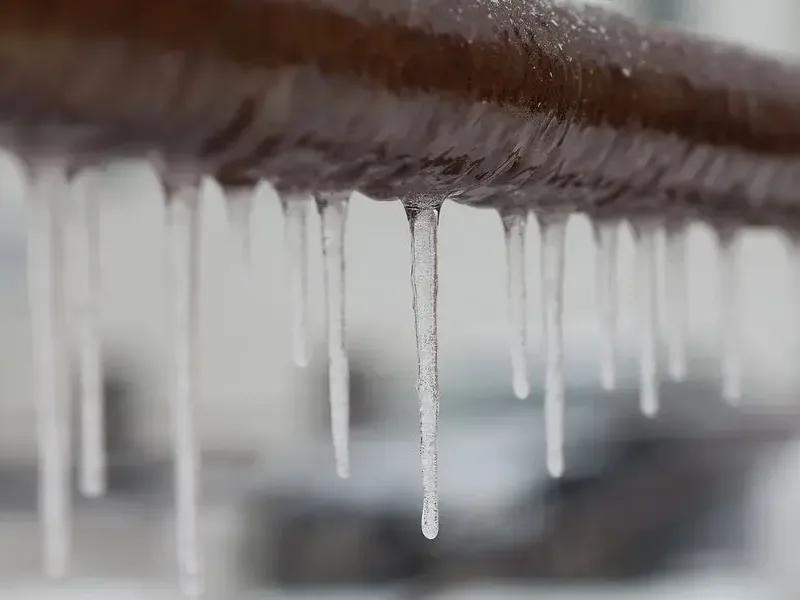
Frozen Pipe Water Damage
Cold exposed plumbing is checked after thawing, then nearby walls, floors and cavities are dried.
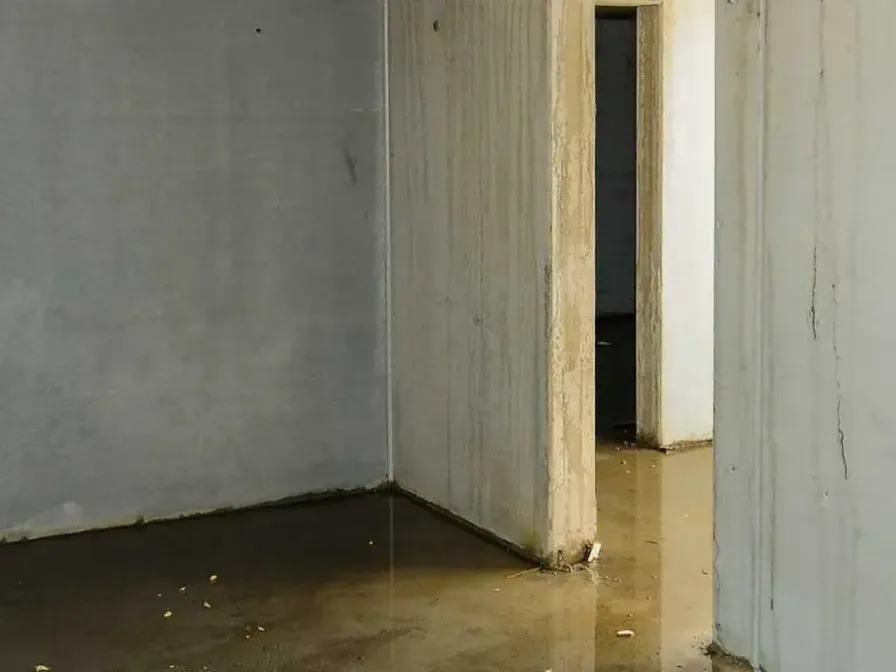
Basement Flooding Cleanup
Where a basement exists, standing water, saturated finishes and damp concrete receive a condition based cleanup.
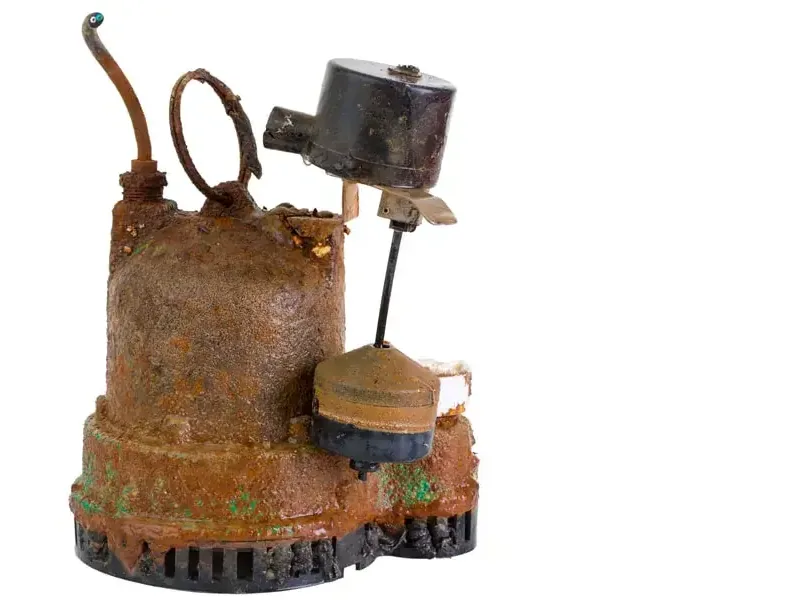
Sump Pump Failure Cleanup
Where a sump system exists, overflow is extracted and nearby floor and wall materials are evaluated.
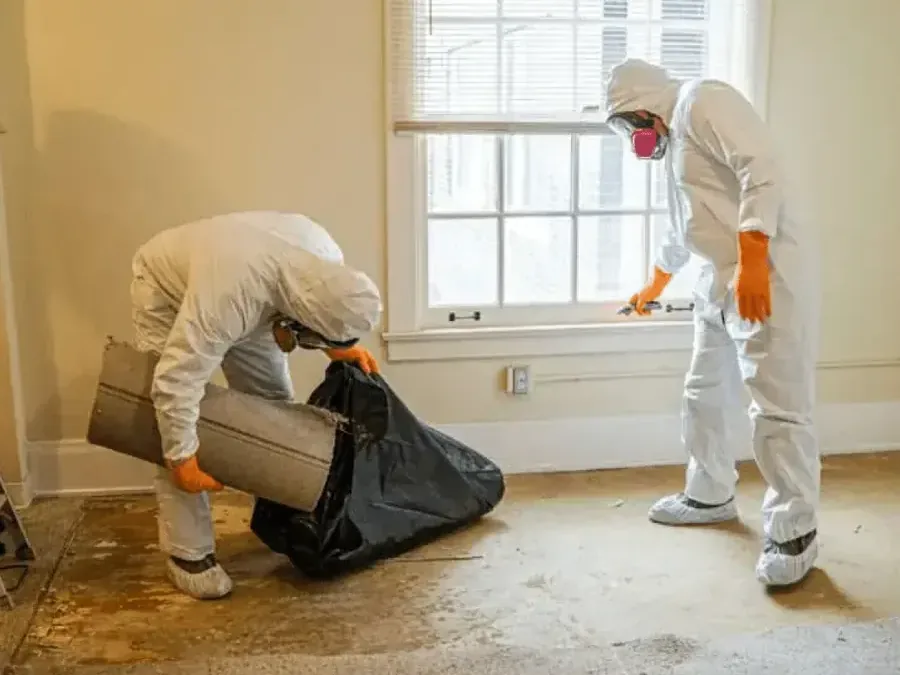
Sewage Backup Cleanup
Wastewater is contained before unsafe porous material is removed and stable surfaces are cleaned and disinfected.
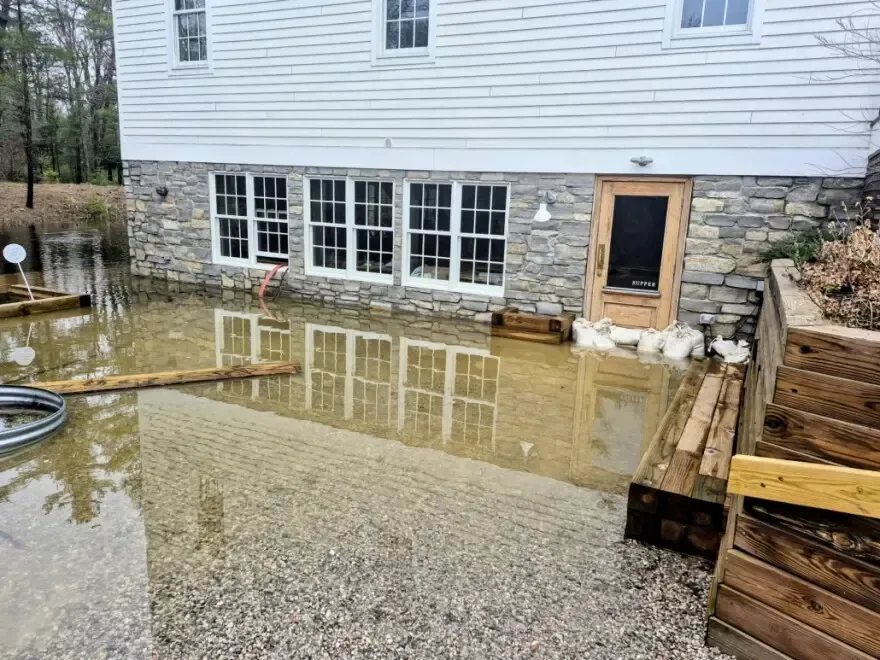
Storm Water and Flash Flood Cleanup
Outside water is classified by source before crews decide what can be cleaned, dried or retained.
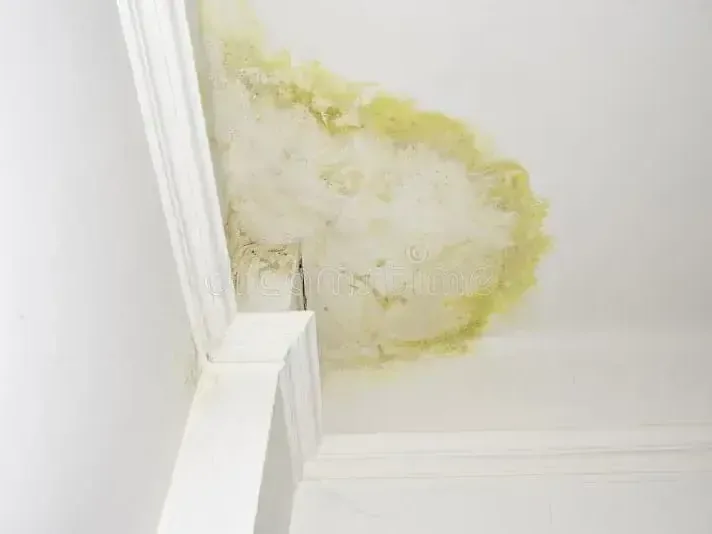
Roof Leak Water Damage
Moisture below a roof opening is traced through insulation, ceiling board and framing before repairs begin.
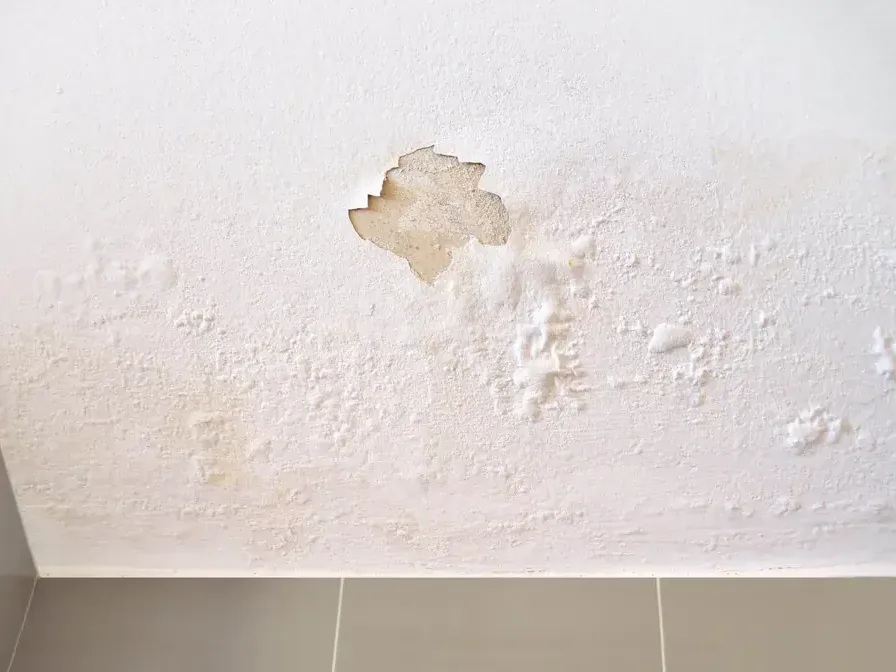
Ceiling Leak Water Damage
A ceiling stain or sag is investigated from both sides, with unstable board controlled and joists monitored.
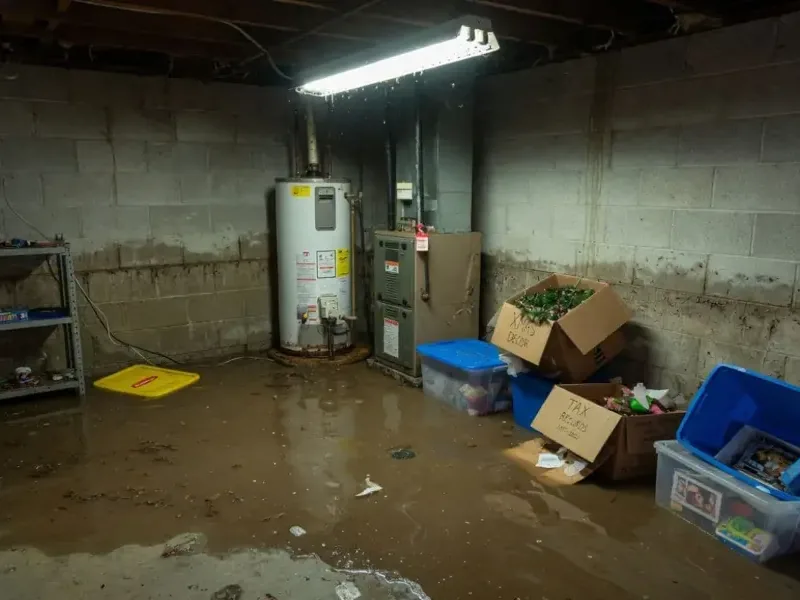
Water Heater Leak Cleanup
Water around a failed tank is extracted, then nearby walls, storage and flooring are checked for spread.
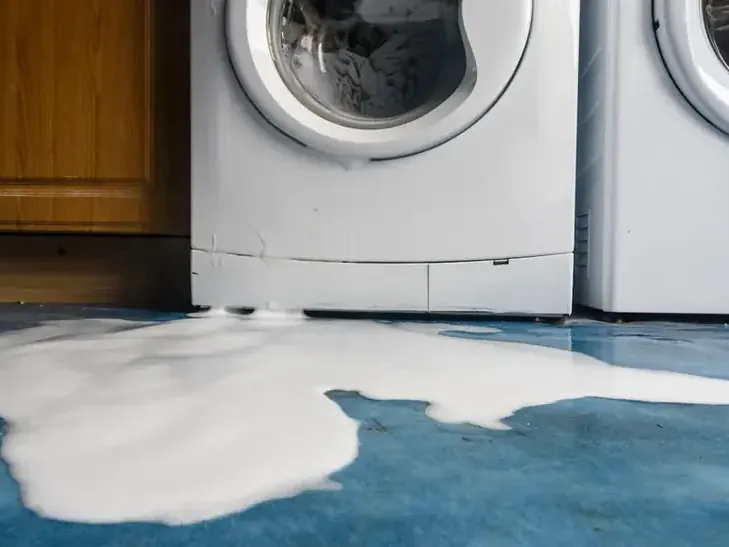
Appliance and Supply Hose Leaks
Washer, dishwasher and hose leaks are followed beneath cabinets and floors before controlled drying begins.
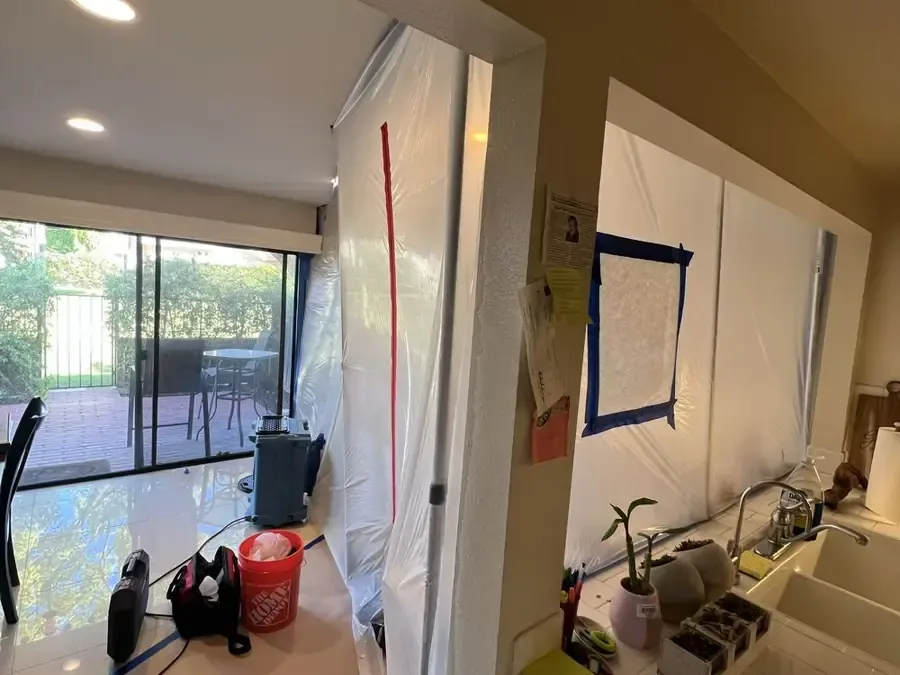
Structural Drying and Dehumidification
Balanced air movement and dehumidification remove retained moisture until material readings reach a dry reference.
Water risks that shape the first response
Cold exposed plumbing
Frozen water expands inside plumbing, while pipes in exterior walls, basements, crawl spaces, attics, garages and cabinets can face added exposure during severe cold.
Subtle freeze warning
Reduced faucet flow may signal a developing freeze. Knowing the main shutoff before that warning becomes a break can limit the amount released indoors.
How a wet property moves toward dry readings
The work follows a documented sequence, while the exact removal and equipment plan changes with the source, contamination and materials involved.
Source assessment
The crew confirms what released the water and whether it has stopped, then separates immediate hazards from areas that can be inspected safely.
Moisture tracing
Meters compare wet materials with unaffected references, so hidden spread beneath flooring or behind trim becomes part of the written scope.
Selective cleanup
Extractors collect open water, unsalvageable finishes are removed, and drying equipment is arranged around the remaining damp structure.
Reading based closeout
Equipment is adjusted as conditions change, and final measurements and photographs record when the targeted materials have reached the drying goal.
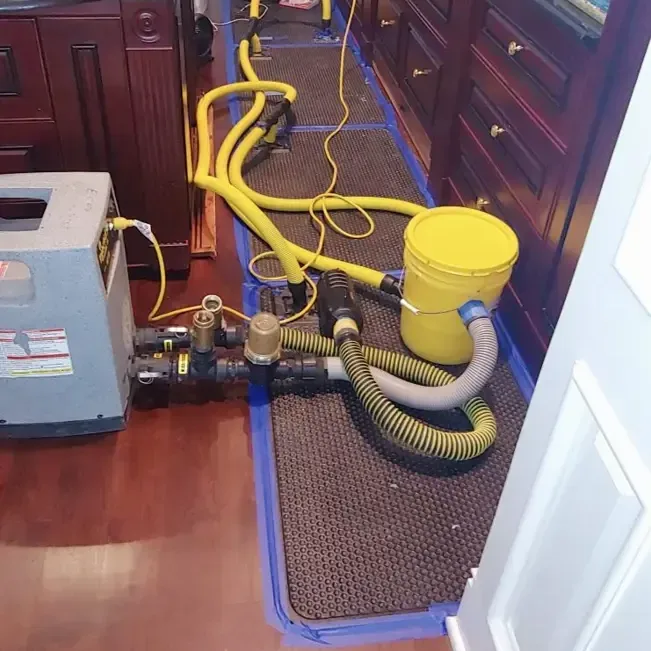
How a water loss is handled
Rapid local response
Active water is treated as urgent through 24/7 dispatch.
IICRC S500 drying standard
Moisture mapping sets the equipment plan and the dry goal.
Claim-ready documentation
Daily readings, photos and the category and class build the file.
Niwot water experts
Local conditions shape extraction, access and structural drying.
What does water damage restoration cost in Niwot, CO?
A restoration scope often falls between $1,200 and $20,000 for completed cleanup. The amount depends on wet area, contamination, material layers, required removal and the equipment time shown by ongoing moisture measurements.
Focused cleanup
- A limited recent clean water area
- Extraction with carefully targeted drying
- Few finish materials require removal
Several affected spaces
- Moisture crosses several room boundaries
- Wall edges or carpet pad removed
- Repeated readings shape equipment placement
Dense or contaminated loss
- Layered assemblies retain hidden water
- Broader removal and detailed cleaning
- Longer monitored structural drying period
Documentation for your insurance claim
A claim file is easier to evaluate when it connects the source and visible damage with moisture readings, removal decisions and clear photographs from each stage.
- Clear source and room photographs
- Written notes about when damage appeared
- Detailed inventory of affected belongings
- Moisture and equipment records
- Invoices for urgent source repairs
The restoration crew documents conditions and completed work but does not decide coverage. The property owner and adjuster examine the policy, reported cause, deductible and any sewage endorsement before the carrier makes its final claim payment decision for the loss.
These ranges provide context, not a quote. An inspection identifies the actual wet materials and cleanup category, while the insurance carrier separately determines applicable policy coverage.
Cleanup for clean water, gray water and sewage
Clean supply water
A recent pipe or supply hose break may begin as clean water, yet fast extraction still matters because drywall, flooring and insulation continue absorbing it.
Used household water
Discharge from an appliance can carry residue and spread under cabinets or flooring, requiring inspection beyond the visible puddle before drying begins.
Contaminated outside or sewage water
Drain backups and outside entry change what can be retained, so porous material removal, detailed cleaning and disinfection become part of the work.
The equipment and materials involved in a dry-out
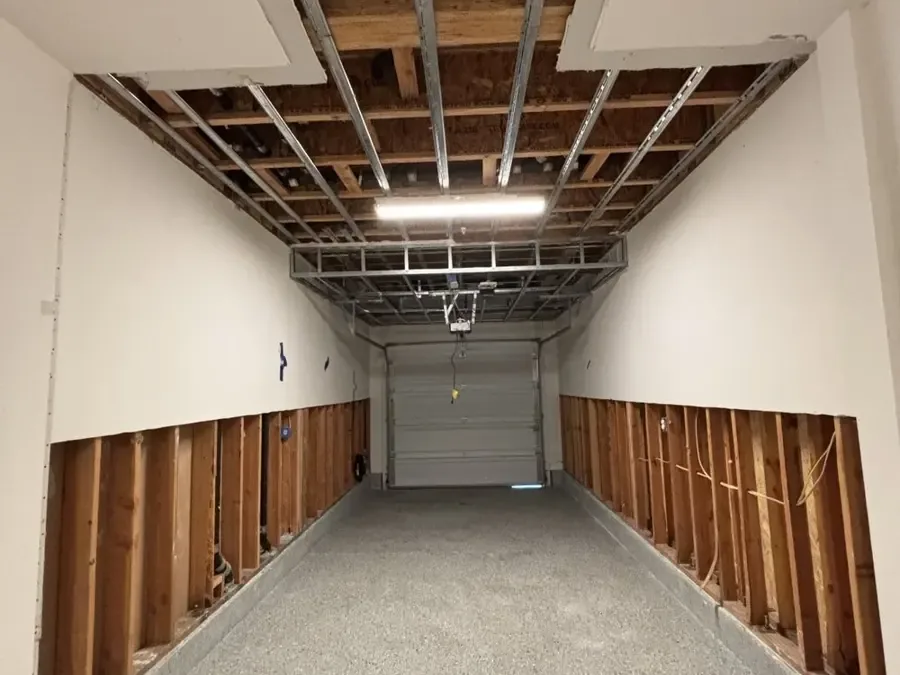
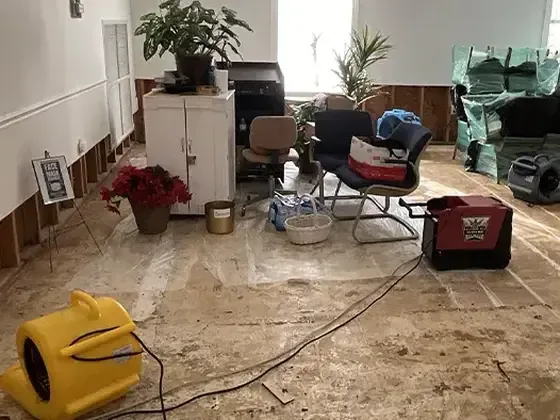
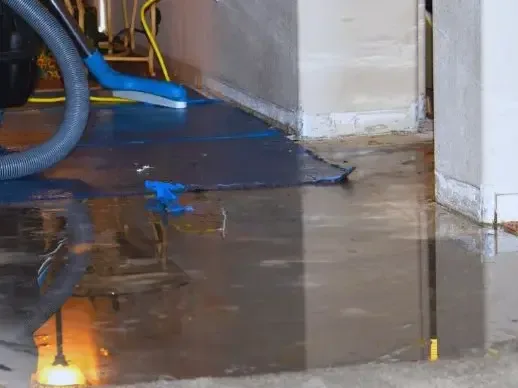
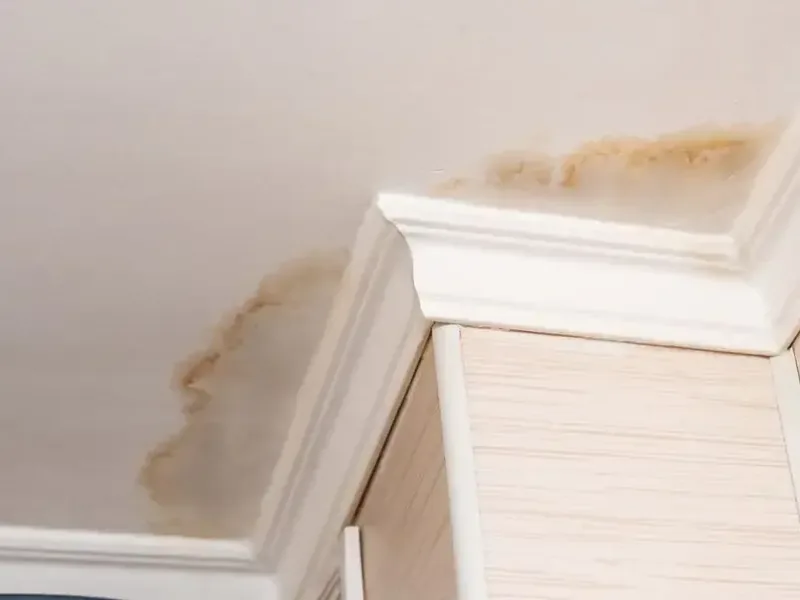
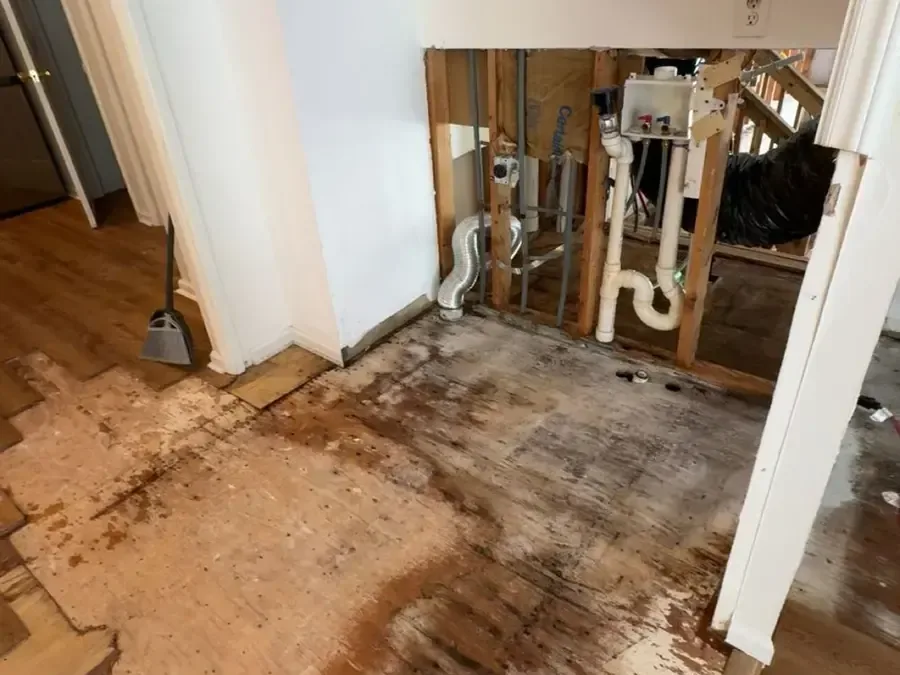
Water damage dried to the IICRC S500 standard
Conditions define the plan
Water source, contamination and material density determine what is cleaned, what is removed and where drying equipment can work effectively.
Readings shape adjustments
Moisture measurements show whether a wall edge, floor layer or framing member is improving, allowing equipment placement to change with actual progress.
Records support decisions
Photographs, extraction notes and drying logs connect the first inspection with the final verification and give property owners a clear account of the work.
Tools used to confirm a complete dry out
A surface that looks dry can still hold moisture underneath, so equipment remains tied to readings rather than appearance or a fixed calendar date.
Five useful actions after indoor water is discovered
- Control the source. Close an accessible shutoff or stop the leaking appliance without stepping into water near electrical equipment. A plumber should handle a source that cannot be reached safely.
- Protect the occupied space. Keep children and pets away from wet rooms, and avoid ceilings that bulge or shed material. Sewage and outside water should be treated as contaminated.
- Create a visual record. Photograph the source, the water path and affected belongings before moving anything. Clear images can support later conversations with an insurance adjuster.
- Limit secondary spread. Move dry, lightweight belongings away from the wet edge when that can be done safely. Leave soaked furniture and building materials in place for assessment.
- Describe the conditions. Explain whether water is still flowing, which rooms are involved and whether a drain or toilet overflowed. That information shapes equipment and safety planning.
Water cleanup throughout Niwot and nearby local areas
Service reaches homes, private road neighborhoods and commercial properties across the community without treating every building as identical.
ZIP areas served
ZIP 80503 covers local addresses, while 80544 is associated with Niwot post office boxes.
Neighborhoods
Old town area
Other communities served
One call reaches Niwot water damage pros, 24/7
The response team starts with the source, safety and the rooms already wet, then sets the extraction and drying plan.
(888) 532-8620Describe where the water reachedConditions that shape water cleanup in Niwot
This unincorporated Boulder County community includes neighborhood streets with different ownership, an old town commercial district and cold weather exposures that can influence safe property access, initial source control and detailed structural drying plans.
Privately owned streets
Cottonwood Park West, Dry Creek, Johnson Farm and Meadowdale each include a privately owned cul de sac, so access conditions can differ by property.
Old town businesses
The Niwot Rural Community District follows Second Avenue near Niwot Road and the railroad tracks, where commercial cleanup may need staged work around occupied space.
Drain and sewer sources
A backup can rise through a tub, toilet, sink or household drain. Root intrusion, clogs, ground movement and temperature can contribute to damaged sewer pipes.
County governance
Boulder County handles local land use and permitting notices, and the local design subcommittee advises the county on design and aesthetics in the community.
Questions after indoor water damage
Is Niwot treated as a city service area?
Niwot is an unincorporated town and census designated place governed by Boulder County. Restoration service is organized around the individual property and its water loss, not a municipal boundary or city department structure.
What should happen before entering standing water?
Standing water near electrical systems should not be entered until power is safely controlled. The source should be stopped only from a dry, accessible location, and unsafe areas should remain completely undisturbed until help arrives.
How does the crew find hidden moisture?
Meters compare the damp area with a dry reference and follow the water path along floor edges, wall cavities and adjacent rooms. Those readings help limit removal to materials that are actually affected.
Can frozen plumbing be thawed with direct flame?
No. Frozen pipes should be warmed slowly without an open flame. Reduced faucet flow can be an early warning, and inaccessible frozen sections should be handled by a qualified plumbing professional.
Does every local property have a basement?
No. A basement cleanup plan applies only where a property has a lower level. Slabs, crawl spaces and upper floor assemblies require different moisture mapping and equipment placement.
What changes when the water is sewage?
Water use should stop until the clog is cleared. The affected area is contained, unsafe porous materials are removed, hard surfaces are cleaned and disinfected, and remaining structure is dried under monitored conditions.
Which location details help arrange a visit?
Dispatch needs the physical property location and any access instructions. Niwot uses ZIP 80503, while 80544 is for post office boxes, so a mailing address alone may not identify the building. The source and affected rooms help the crew prepare for the visit.
Why do drying readings matter after extraction?
Extraction removes open water; subfloor, framing and wall layers then need moisture checks and controlled drying. Repeated measurements show whether retained moisture is falling and when equipment can be removed.
Does a crew decide whether insurance will pay?
No. The crew records the cause, affected materials, work performed and drying results. The carrier and property owner make coverage decisions under the policy and any relevant endorsements.
What should be photographed before cleanup?
Useful images show the source when visible, the water edge, each affected room and damaged belongings. Photographs taken before safe movement or removal create a clearer record of initial conditions for the property owner and insurance carrier later.
Unsure what the water reached?
Describe the source, affected rooms and visible materials so a crew can outline a sensible inspection and cleanup sequence.
(888) 532-8620Discuss the affected roomsTurn a wet room into a measured restoration plan
Share what happened and which materials look affected, then the crew can map the water and explain the next practical step.
(888) 532-8620Map the water damage now