Water Damage Restoration Golden, CO
From a broken supply pipe to runoff entering a lower room, trained technicians promptly remove the water, map damp materials inside and document drying until the structure reaches verified goals.
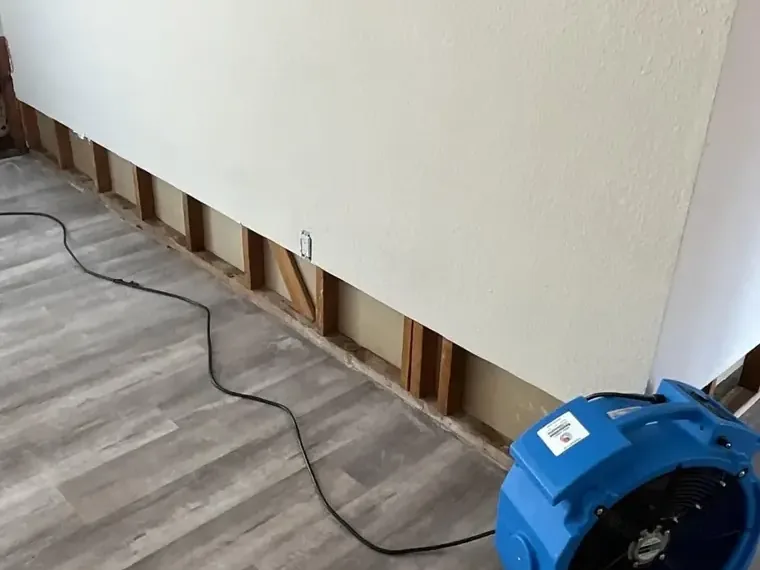
Equipment and drying standards
Water Damage Restoration Services in Golden, CO
Each loss receives a plan suited to its source, contamination level and affected materials, with focused help on site for extraction, controlled removal and structural drying.
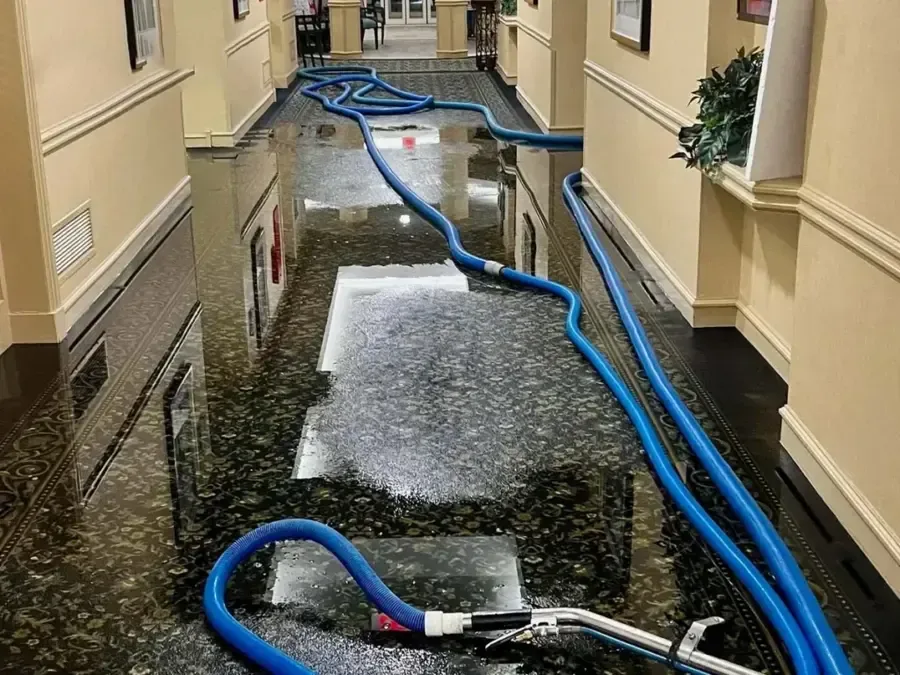
Water Extraction and Removal
Extraction equipment removes pooled water while meters reveal moisture under floors or behind finished walls.
View service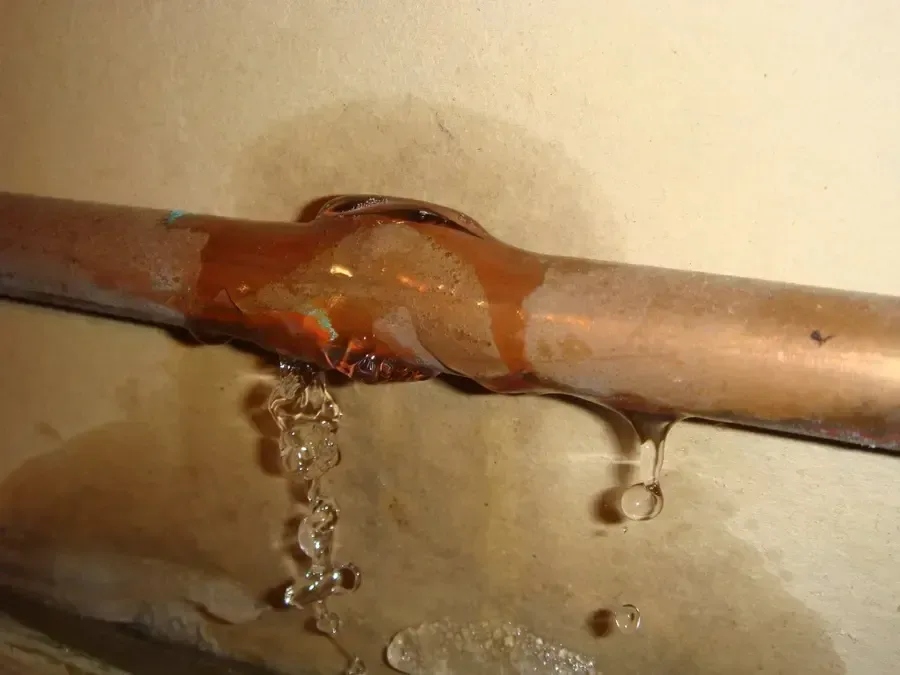
Burst Pipe Water Damage
Technicians confirm the shutoff, trace connected cavities and dry framing after a pipe break.
View service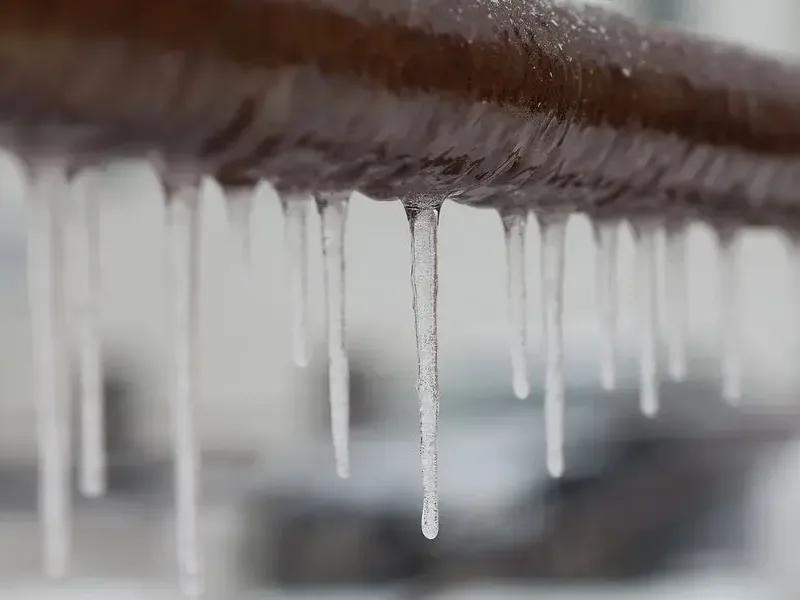
Frozen Pipe Water Damage
After frozen plumbing thaws, exterior walls, garages and unheated areas are opened where readings require access.
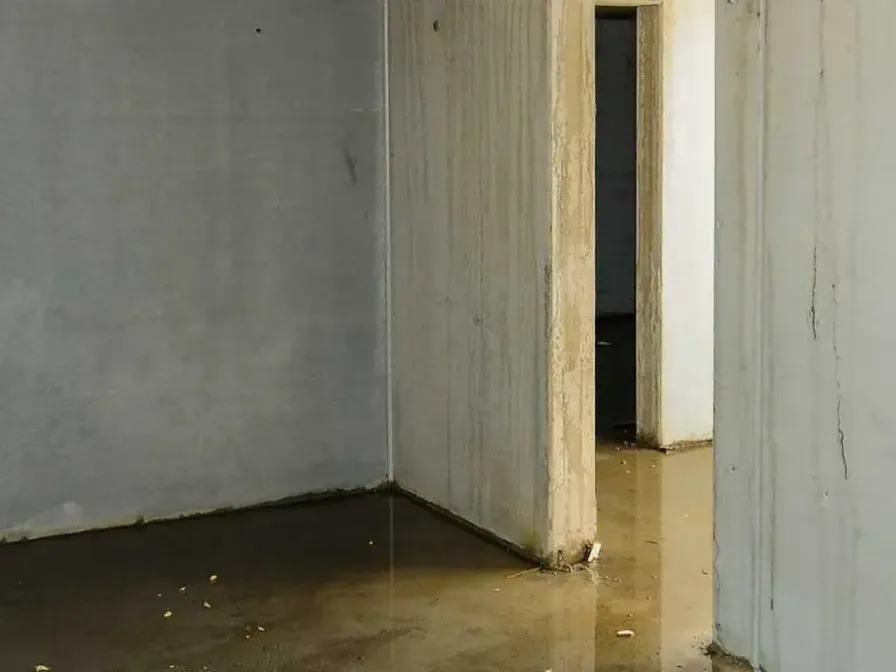
Basement Flooding Cleanup
A flooded lower level is pumped, then flooring, wall edges and contents are evaluated for cleaning or removal.
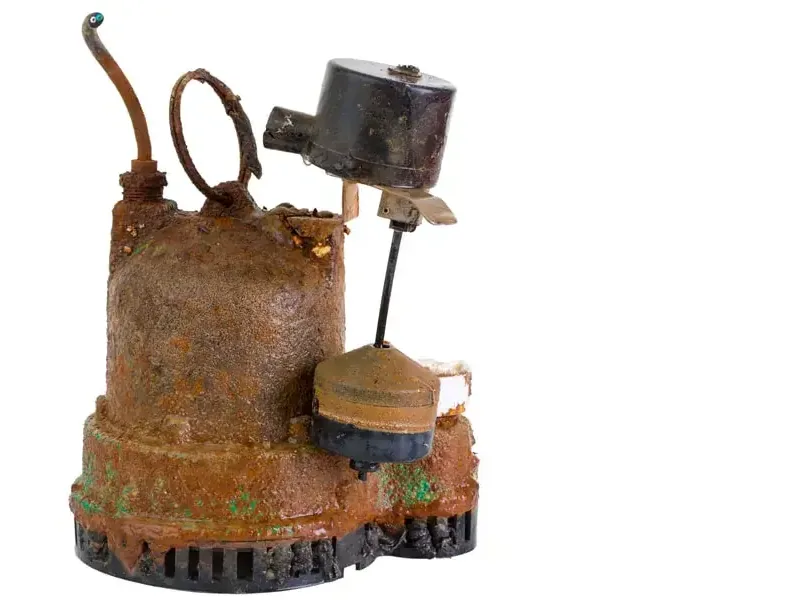
Sump Pump Failure Cleanup
Overflow is extracted, the source is classified and damp lower level materials receive monitored drying.
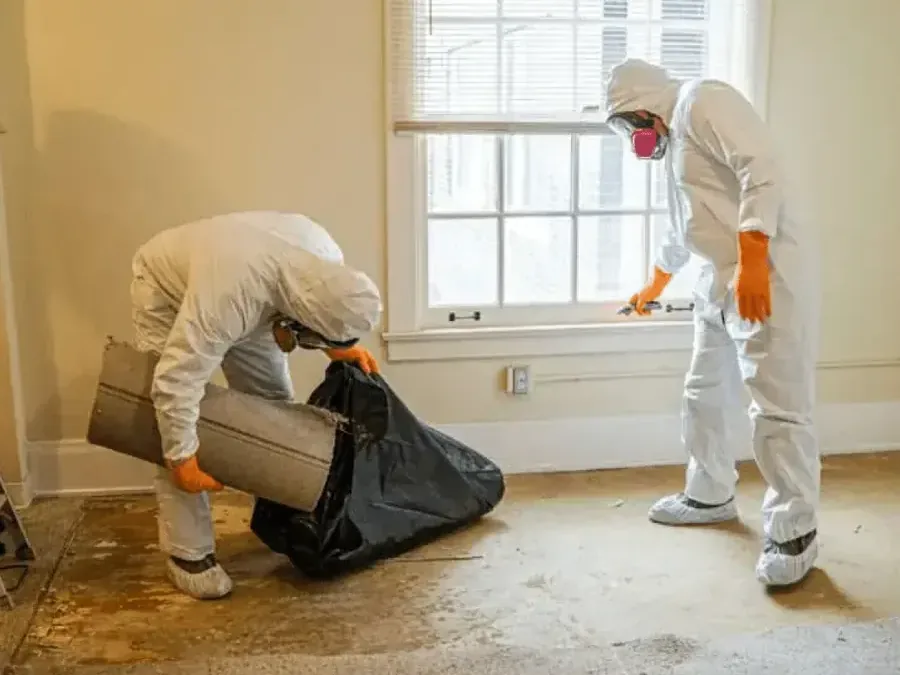
Sewage Backup Cleanup
Contaminated water is contained, unsafe porous material is removed and durable surfaces are cleaned before drying.
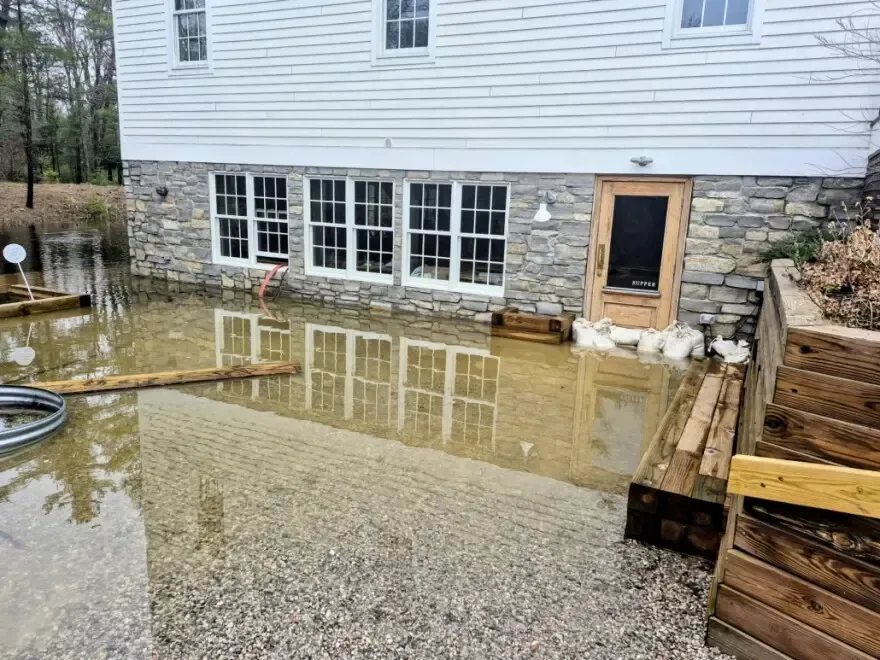
Storm Water and Flash Flood Cleanup
Outside runoff is treated as contaminated, with sediment removal and a drying plan for affected assemblies.
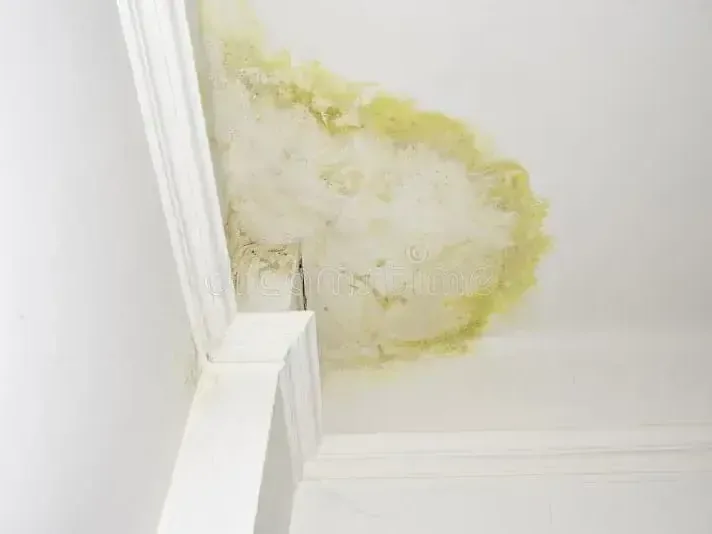
Roof Leak Water Damage
Moisture beneath a roof opening is traced through insulation, ceilings and walls before repair.
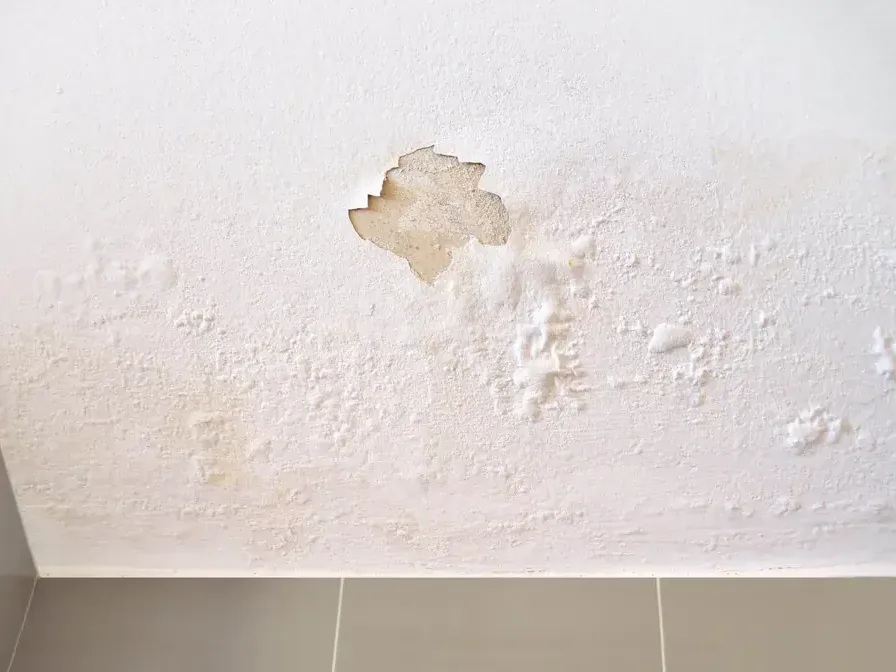
Ceiling Leak Water Damage
A stained ceiling is secured, opened as needed and dried with the cavity below.
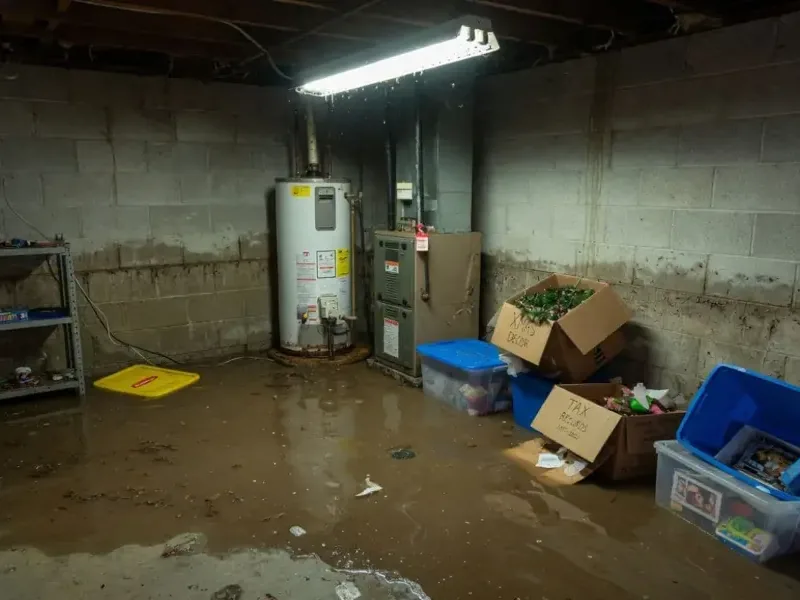
Water Heater Leak Cleanup
Water from a failed tank is extracted and checked across adjoining rooms and wall bases.
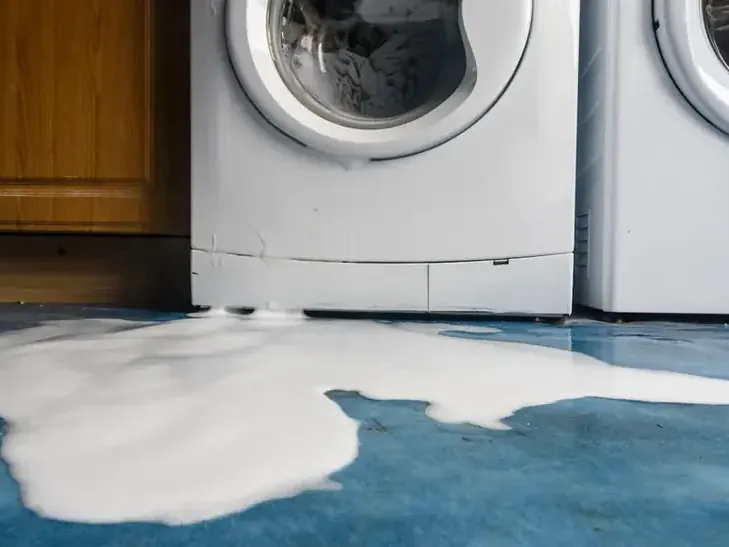
Appliance and Supply Hose Leaks
Washer, dishwasher and supply leaks are traced beneath cabinets, flooring and nearby partitions.
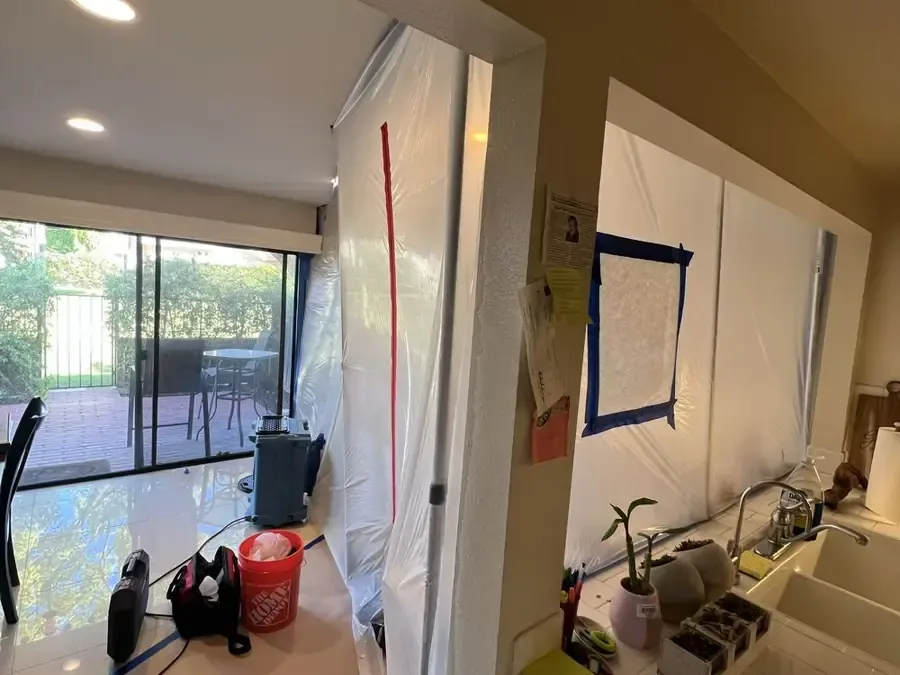
Structural Drying and Dehumidification
Air movement, dehumidification and readings bring framing, subfloor, drywall and concrete toward documented dry goals.
Water risks that shape the first response
Creek and runoff pathways
Clear Creek emerges from Clear Creek Canyon, while mapped floodplains can also include collection areas away from a visible waterway.
Mapped flood exposure
Flood Insurance Rate Maps and elevation certificates help describe parcel exposure, but indoor cleanup still depends on the water source and materials touched.
How a wet building returns to dry condition
The response follows a measured path from source assessment through final verification, keeping removal decisions and drying progress clear at every visit.
Triage and safety
The source and water category are discussed first, and electrical or contamination concerns shape safe access to affected rooms.
Map the spread
Meters identify wet surfaces and concealed pathways, and the findings determine where extraction, access openings and protection are needed.
Remove and dry
Open water and unsalvageable material leave the building, and balanced air movement and dehumidification address moisture that remains.
Confirm the result
Readings are compared with dry reference materials, and photographs and daily notes create a record for repair planning and insurance evaluation.
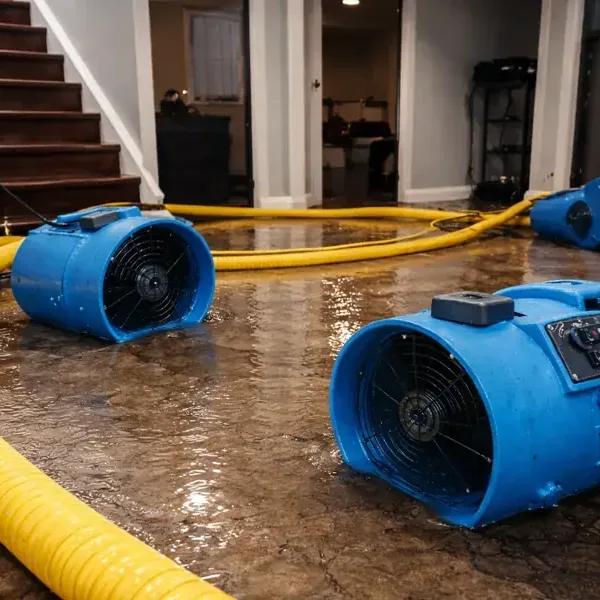
How a water loss is handled
Rapid local response
Active water is treated as urgent through 24/7 dispatch.
IICRC S500 drying standard
Moisture mapping sets the equipment plan and the dry goal.
Claim-ready documentation
Daily readings, photos and the category and class build the file.
Golden water experts
Local conditions shape extraction, access and structural drying.
What does water damage restoration cost in Golden, CO?
A smaller clean water response may begin near $1,200, while extensive contaminated damage can reach $20,000. Wet area, material layers, water category and required equipment determine the actual restoration project scope.
Limited clean loss
- A compact accessible area needs extraction
- Few interior finishes require removal
- Short carefully monitored equipment period
Several affected spaces
- Moisture crossed into adjoining rooms
- Floor and wall layers need opening
- Repeat material readings direct drying
Extensive layered damage
- Dense structural assemblies remain saturated
- Broad removal and detailed cleaning needed
- Longer dehumidification schedule
Documentation for your insurance claim
A claim record is strongest when it clearly connects the source and affected rooms with dated photographs, material decisions, equipment logs and final recorded moisture readings.
- Wide photos of every wet area
- Close views of the source
- Inventory of affected personal property
- Daily equipment and moisture records
- Receipts for protective actions
Technicians can supply photographs, measurements and a restoration scope, but policy interpretation remains between the property owner and insurer. Sudden releases, runoff and drain backups may be treated differently, so an early policy check helps clarify the eventual claim path.
These ranges frame common project sizes rather than a quote. Detailed inspection findings establish the restoration price, while the insurer separately decides what the policy covers.
All water damage categories covered in Golden, CO
Supply and fixture releases
Clean water from a recent pipe or fixture failure can still travel quickly into wall bases, floor layers and insulation before extraction starts.
Appliance and tank failures
Water from household equipment often hides beneath cabinets or finished floors, making moisture mapping as important as clearing the visible puddle.
Runoff and sewage events
Outside water and drain backups require contamination controls, removal of affected porous materials and cleaning before structural drying proceeds.
What a water damage dry-out looks like in Golden
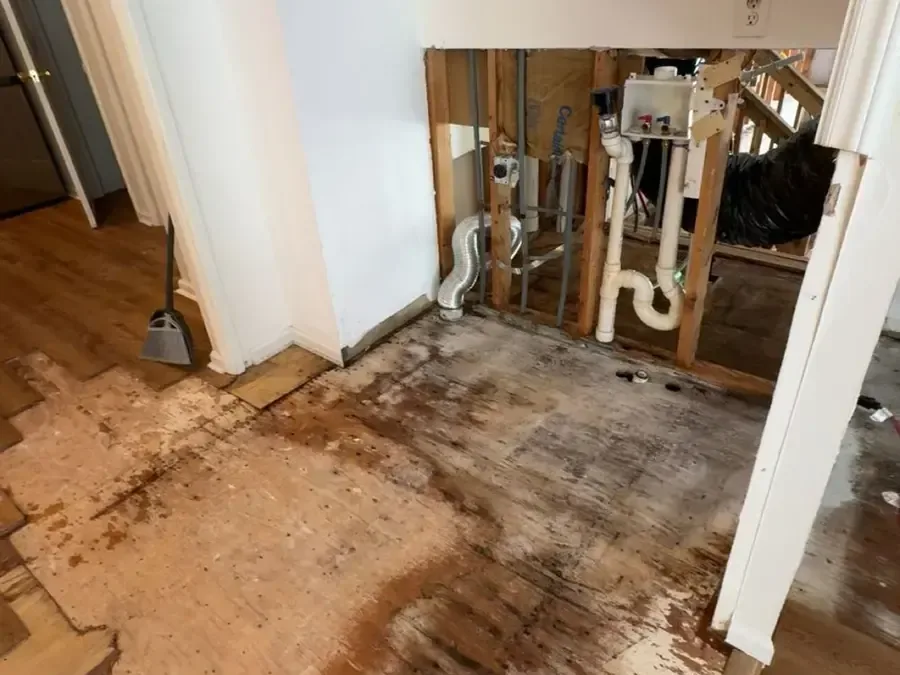
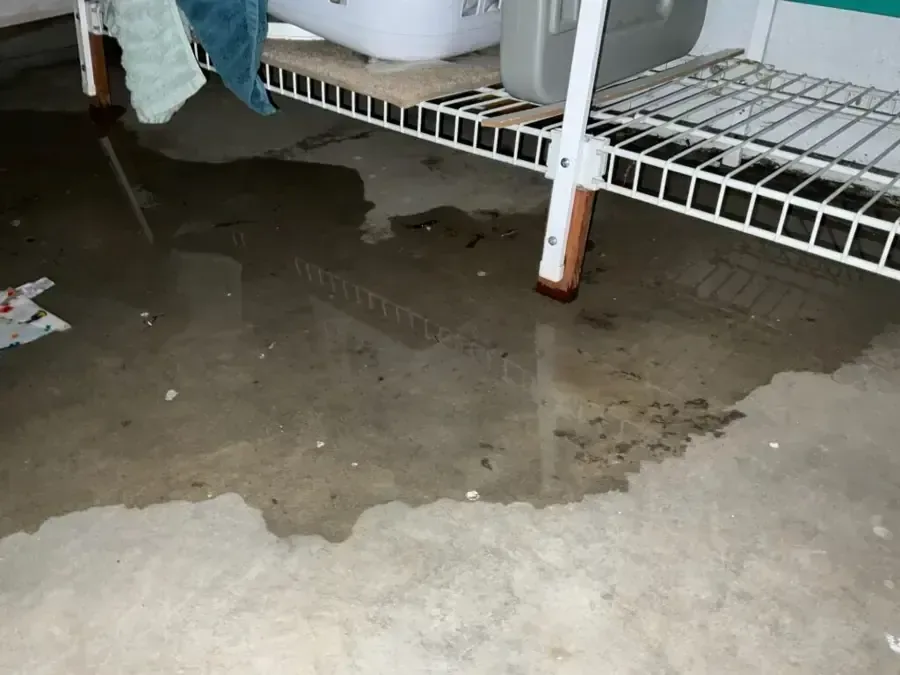
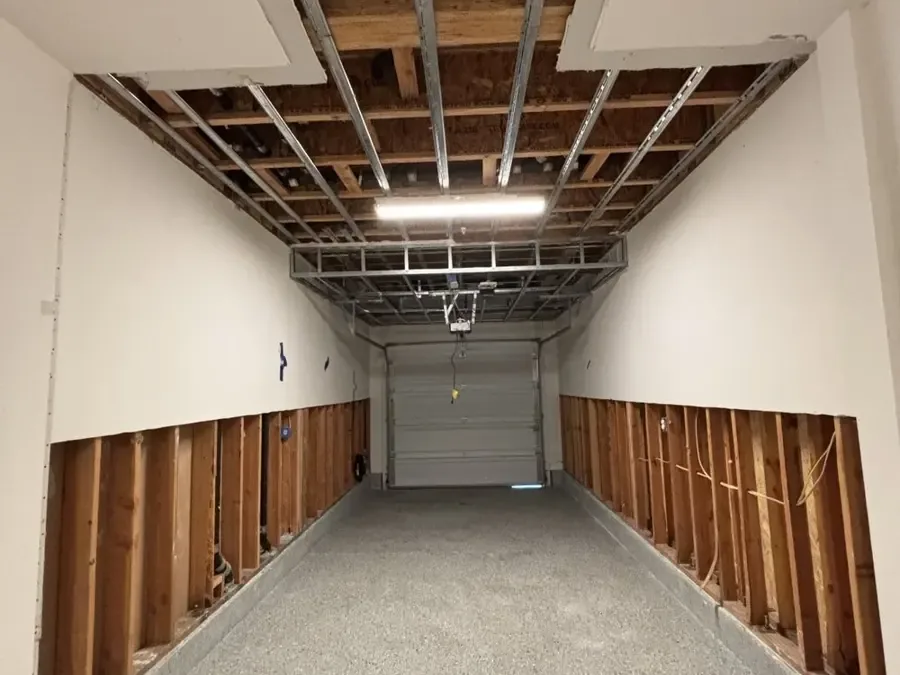
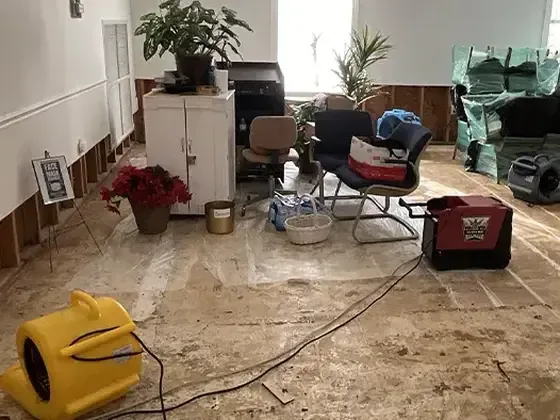
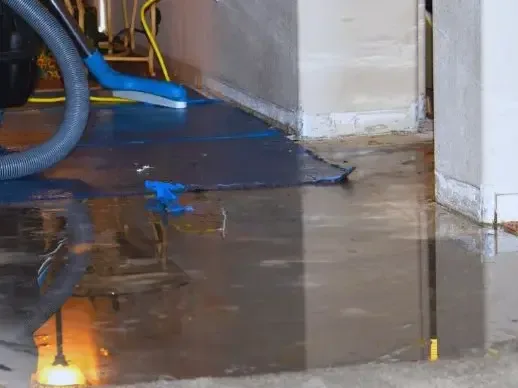
Water damage dried to the IICRC S500 standard
Evidence sets the scope
Meter readings distinguish damp assemblies from unaffected materials, helping the crew limit openings and focus equipment where evaporation is required.
Conditions shape adjustments
Temperature, humidity and material readings are logged during visits, so equipment placement changes when the documented drying response calls for it.
Completion needs proof
A surface that looks dry may still hold moisture deeper inside, so final comparison readings establish when equipment can leave and repairs can begin.
Methods and tools supporting the work
The file ties decisions to readings, showing what was affected, what required removal and when remaining structural materials reached the selected dry goal.
Useful actions before the restoration crew gets inside
- Control the release. Close an accessible valve or stop the affected appliance only when reaching it does not require stepping through water or touching wet electrical equipment.
- Keep people away. Block access to soaked ceilings, deep water and contaminated areas, and move children and animals into a dry part of the property.
- Record visible damage. Photograph the source, each wet room and damaged belongings from a safe position before moving small objects or beginning emergency cleanup.
- Protect movable items. Lift dry furniture and electronics away from the wet edge when they can be handled safely, but leave saturated heavy pieces in place.
- Describe the conditions. Tell the restoration team where the water started, which rooms are affected and whether the source has stopped so equipment can be planned.
Water cleanup throughout Golden and nearby properties
Service reaches homes and businesses from the foothill edges to established commercial and campus areas.
Confirmed ZIP served
Properties in ZIP 80401 receive the same moisture mapping, extraction and documented drying approach.
Community areas
Local anchors
Other communities served
One call reaches Golden water damage pros, 24/7
The response team starts with the source, safety and the rooms already wet, then sets the extraction and drying plan.
(888) 532-8620Describe where the water reachedConditions that shape water damage in Golden
Buildings here span historic, postwar, residential, campus and commercial uses across varied settings. Clear Creek, mapped runoff collection areas and ordinary indoor plumbing failures each call for careful source specific assessment inside the property.
Drainage defenses
The City of Golden uses drainage systems, dams, building rules and preserved floodplains as parts of its broader flood management work.
Varied building eras
Nineteenth century activity, postwar infrastructure expansion and later annexation left a varied building inventory rather than a single local construction pattern.
Main and lateral failures
A documented 12-inch water main break affected homes and businesses, illustrating why source control must come before extraction and cavity drying.
Foothill weather exposure
Properties between Lookout Mountain and the Table Mountains can face snow, hail and wind driven precipitation that reveals roof and ceiling vulnerabilities.
Questions after indoor water damage
What should happen immediately after a pipe leak?
Stop the source if the valve is safely accessible, keep away from wet electrical components and photograph the affected area. Extraction and moisture mapping should follow before water spreads farther into floor and wall layers. Note any rooms below the source.
Why are moisture readings needed after visible water is gone?
Water can remain in subfloor, framing and insulation after a surface looks dry. Meter readings locate those pockets and provide an objective comparison with dry materials elsewhere in the building. That comparison supports a defensible stopping point.
Does outside runoff require different cleanup?
Yes. Water crossing soil or pavement can carry contaminants, so technicians assess its category, isolate affected rooms and remove porous materials that cannot be safely restored before cleaning and drying durable surfaces.
Can flood maps determine the indoor restoration plan?
Flood Insurance Rate Maps show mapped outdoor risk, not the condition inside a specific room. The indoor plan comes from the actual source, water category, affected assemblies and moisture readings at the property.
What gets documented for an insurance evaluation?
The restoration file may include source photographs, room overviews, material notes, equipment placement, moisture logs and final readings. Property owners should also preserve receipts and a careful inventory of affected belongings and protective expenses.
When can removed finishes be replaced?
Replacement starts after the remaining framing, subfloor and other structural materials meet established dry goals. Closing an assembly before verification can trap moisture behind the new finish.
Does the crew handle sewage damage?
Yes. The service covers water and sewage losses. A sewage response adds containment, removal of affected porous materials, detailed cleaning and controlled handling before structural drying can proceed.
How is a drying setup adjusted?
Technicians compare humidity and material readings during visits, then reposition air movers or change dehumidification as conditions develop. The equipment plan follows measured progress instead of a fixed calendar.
Are all lower levels treated as flood prone?
No. Building features and parcel exposure differ. A lower room is assessed from its actual source, drainage path, finishes and readings without assuming every property shares the same basement or pump configuration.
What affects the overall restoration price?
Important factors include the wet area, water category, accessibility, material density and amount of removal required. A site inspection turns those findings into a specific scope and price.
Unsure what the wet area needs?
Describe the source and affected materials, and a technician can outline the safest practical first restoration steps.
(888) 532-8620Discuss the water lossMove from standing water to a verified dry structure
Share what happened and where moisture is visible, then get a clear plan for extraction, removal, drying and documentation.
(888) 532-8620Arrange a moisture assessment