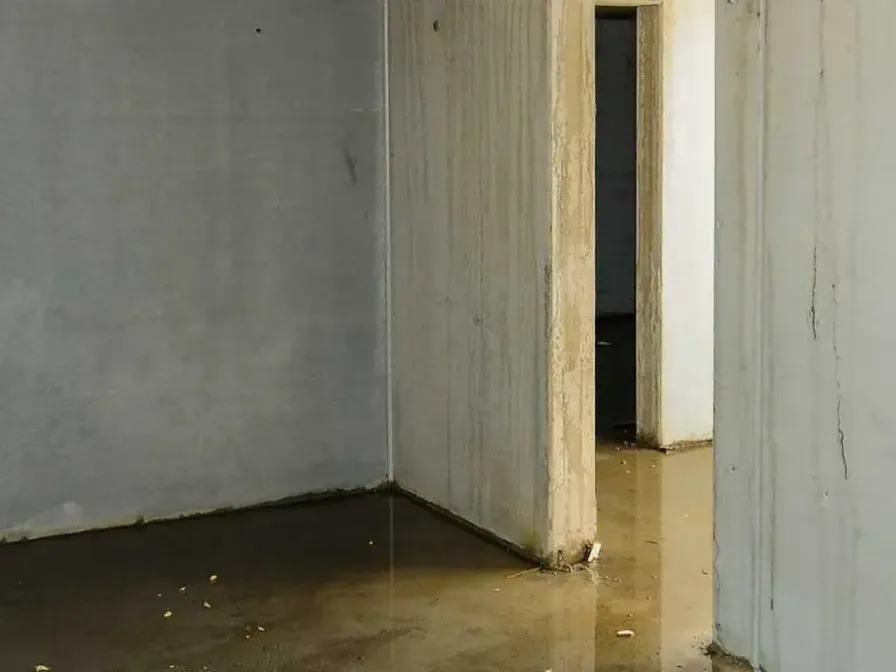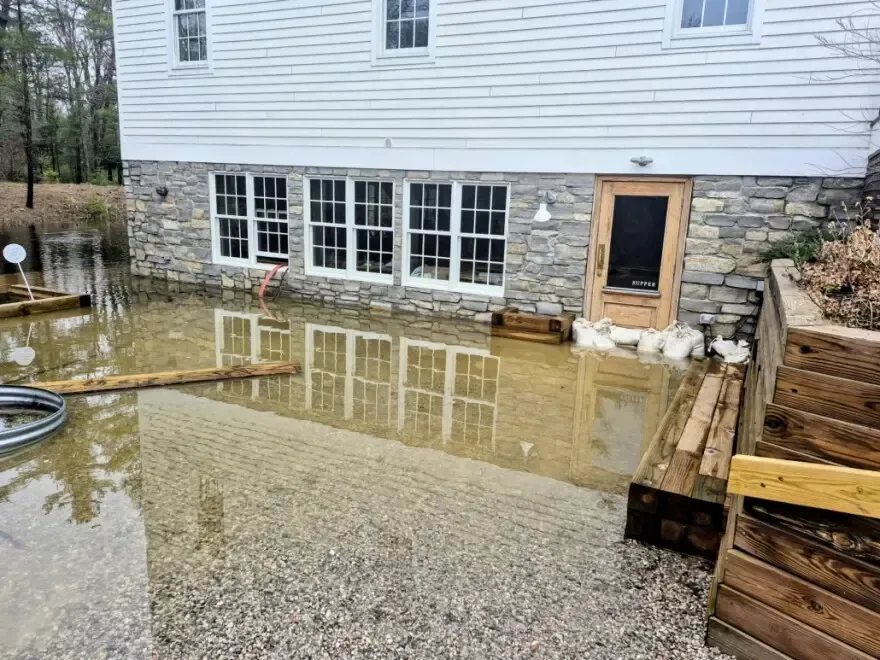
Colorado's Division of Real Estate calls floods one of the most widespread natural hazards in the state, and notes that flash floods come with storms and with early or rapid snowmelt. When that water gets inside, it brings soil, fertilizer and street runoff with it.
How outside water gets into Lafayette homes
Basement window wells are the most common entry: a heavy storm fills the well faster than its drain can empty it and the water pushes through the window frame. Doors at grade, foundation cracks and low garage slabs follow. Each spring, snowmelt feeds Coal Creek, and the same melt saturates yards and sends water toward foundations from Lafayette Park to the blocks off South Public Road.
- Basement window wells that fill
- Doors and garage slabs at grade
- Foundation cracks and wall seams
- Overloaded gutters and short downspouts
Why it is handled as Category 3
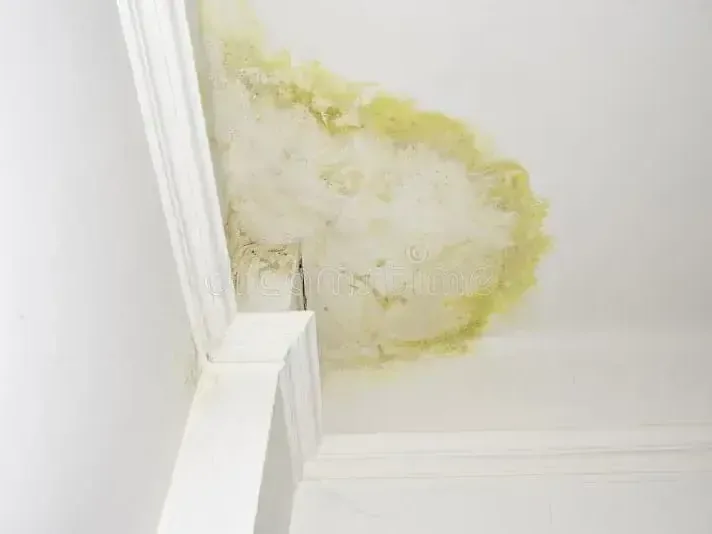
Water that crossed a yard, a street or a parking lot carries bacteria, soil and chemicals. Porous materials it soaked are removed, not dried: carpet, pad, drywall above the waterline and insulation. Hard surfaces are cleaned with an EPA-registered antimicrobial before the drying equipment goes in.
- Carpet and pad soaked by outside water
- Drywall and insulation above the waterline
- Hard surfaces cleaned with an EPA-registered antimicrobial
Flood coverage and flood maps
Water from outside the house is usually a flood loss, which a standard homeowners policy does not cover; flood coverage comes from a separate policy. FEMA flood maps show mapped flood zones, and Ready.gov flood safety covers what to do before and during a storm. Photos of the high-water mark, the entry point and every wet room belong in the claim file either way.