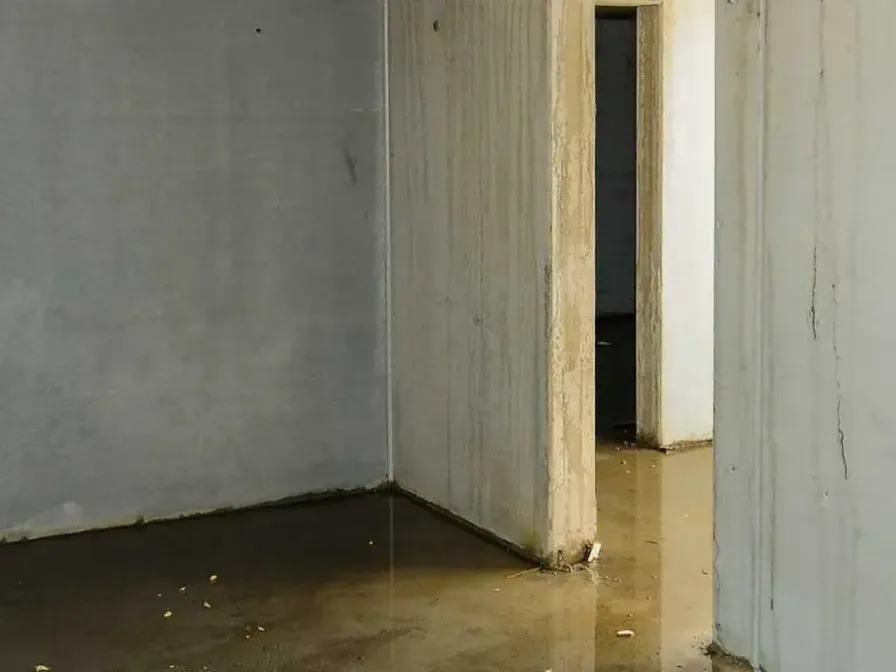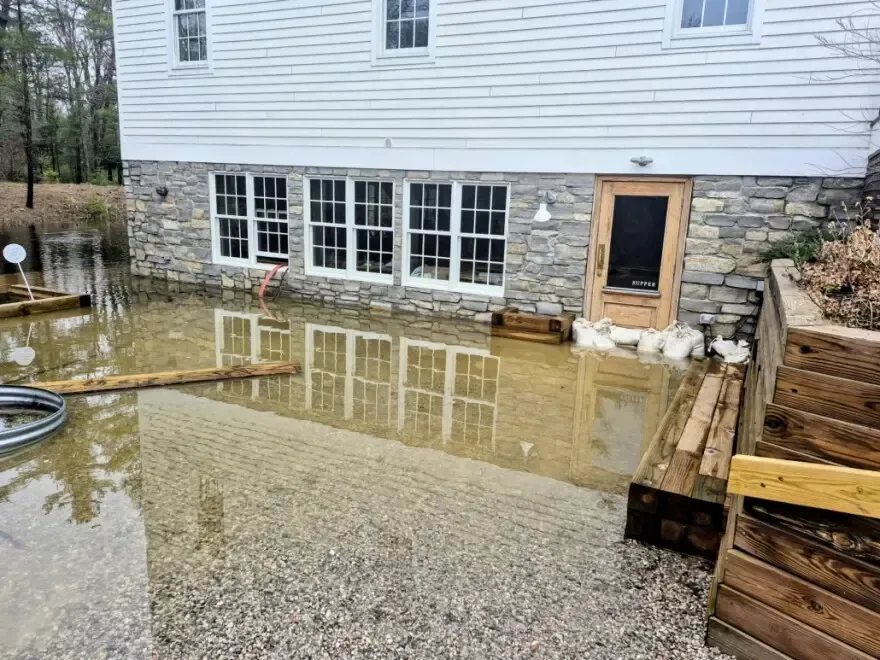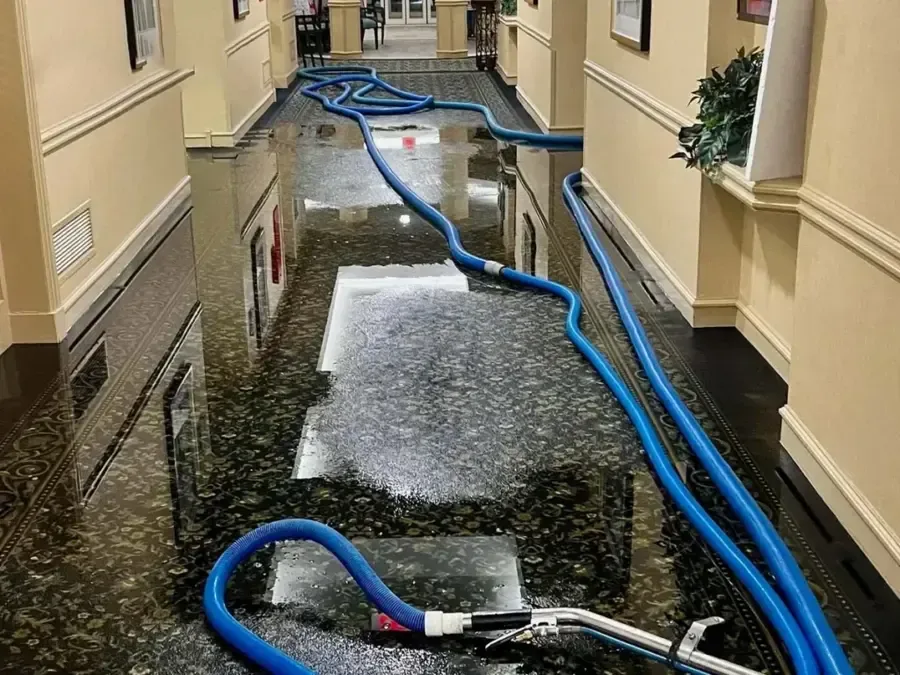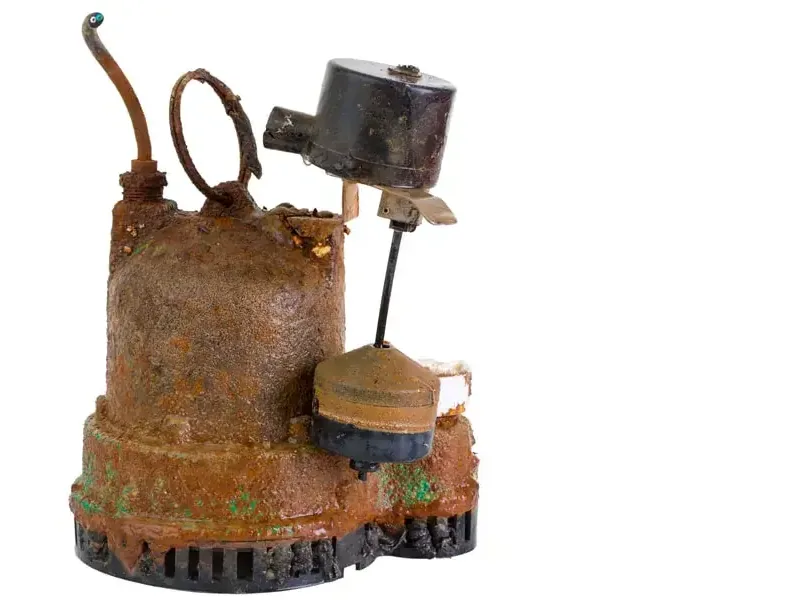
A sump pit collects water from the drain tile around the foundation and pumps it outside. When the pump stops, the pit fills and spills over, usually during the exact storm or snowmelt that filled it, and often in the middle of the night.
Why sump pumps fail in Lafayette
Most failures are simple: the power goes out in a thunderstorm, the float switch sticks against the side of the pit, the pump wears out after years of idle seasons, or the discharge pipe freezes or clogs outside. Spring snowmelt and summer storms are when pits run hardest. A pit that sits dry most of the year, in a basement near Lafayette Park, Indian Peaks or anywhere else in the city, is the one that surprises owners when the first big storm hits.
- Power failure during a storm
- Stuck or tangled float switch
- Pump worn out or undersized
- Frozen or clogged discharge pipe
Why overflow is treated as gray water
Pit water has run through the soil and drain tile, so it carries dirt, bacteria and whatever was on the slab. It is usually handled as Category 2: extracted, carpet pad removed, and surfaces cleaned with an antimicrobial before drying. If the water sat for days or mixed with a floor drain backup, it is treated as Category 3.
- Pad that soaked up pit water removed
- Slab and wall bottoms cleaned with an antimicrobial
- Category 3 handling if the water sat or mixed
Getting the basement dry, and staying dry
Drying focuses on the slab, the bottom of the walls and anything stored on the floor. Once the pump is replaced or repaired, a battery backup or a high-water alarm is worth asking a plumber about. Ready.gov power outage tips cover storm outages, and the Colorado Division of Real Estate flood page explains how flood risk is disclosed on homes in Boulder County and across the state.