Extraction is the cheapest drying there is. Every gallon pulled out as liquid is a gallon the dehumidifiers never have to evaporate, so the crew works the wettest areas first and checks the pad under the carpet before anything else.
Where standing water collects in Lafayette homes
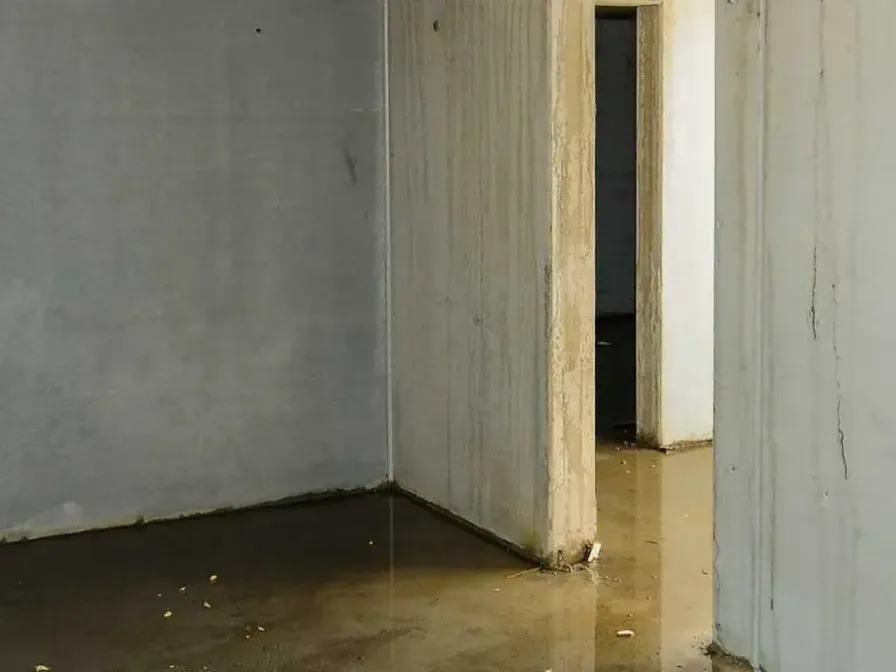
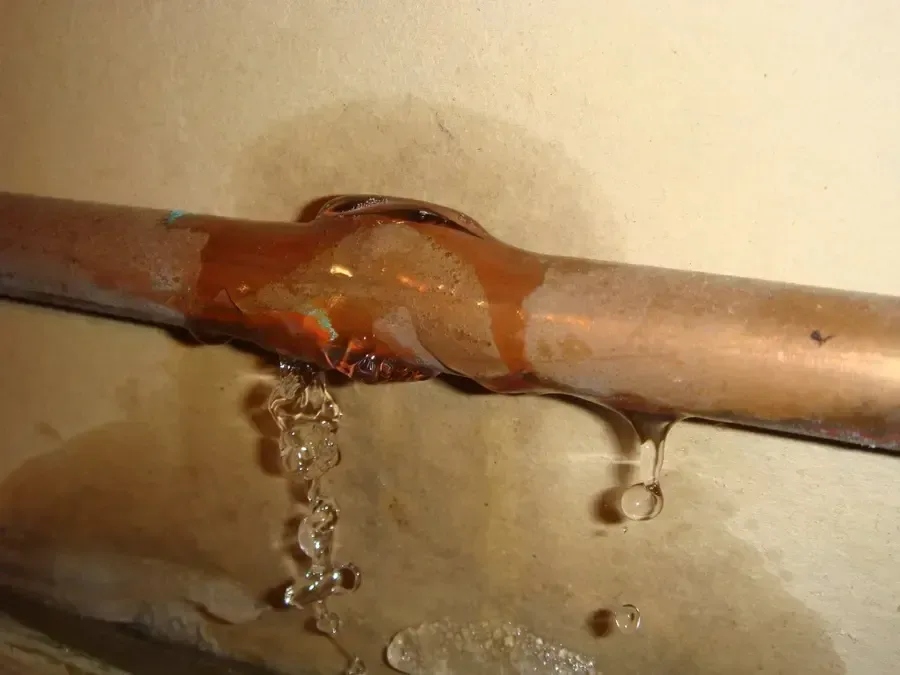
Below-grade rooms take most of the water. A failed water heater or sump pit sends water across a basement slab, and a split pipe upstairs drains straight down to the lowest floor. In an older home near Old Town Lafayette, an aging supply pipe or drain can be the source, and in a finished basement near Indian Peaks or Lafayette Park a small leak turns into a carpet and drywall job.
- Basement slabs and carpet pad
- Garage floors next to a failed water heater
- Laundry areas and utility rooms
- Main floors under an upstairs bathroom
How extraction is done
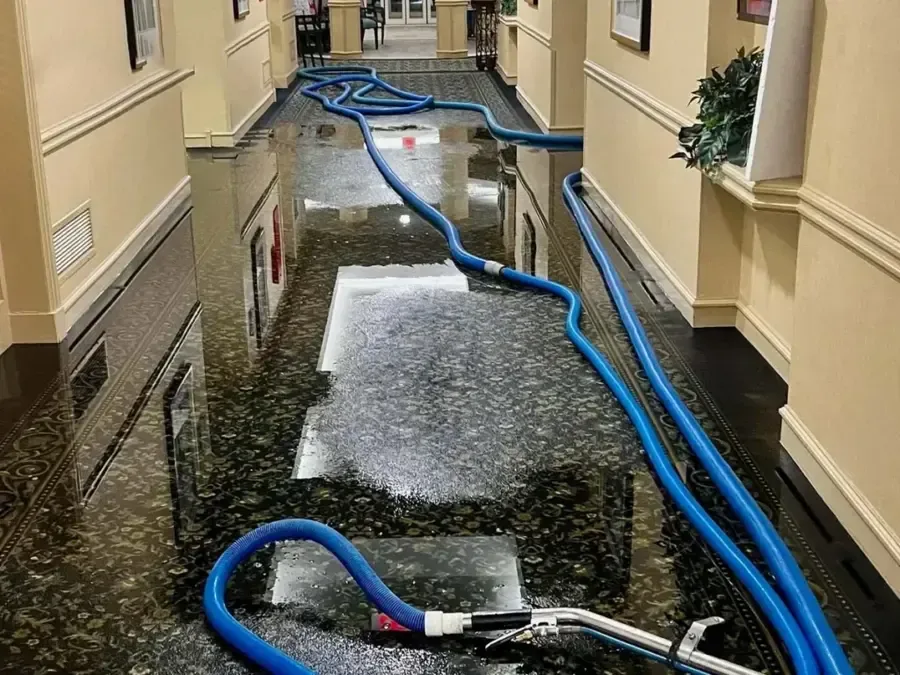
Truck-mounted units pull water at high volume through hoses run from the street, while portable extractors reach rooms the hoses cannot. Weighted extraction tools squeeze water out of carpet and pad. Where pad is soaked or the water is Category 2 or 3, the pad comes out and the carpet is assessed separately.
Extraction is followed by moisture mapping, because water that looks gone can still sit under baseboards and inside the bottom of the drywall.
- Truck-mounted units for high-volume pumping from the street
- Portable extractors for stairs, closets and upper floors
- Weighted tools that squeeze water out of carpet and pad
After the water is out
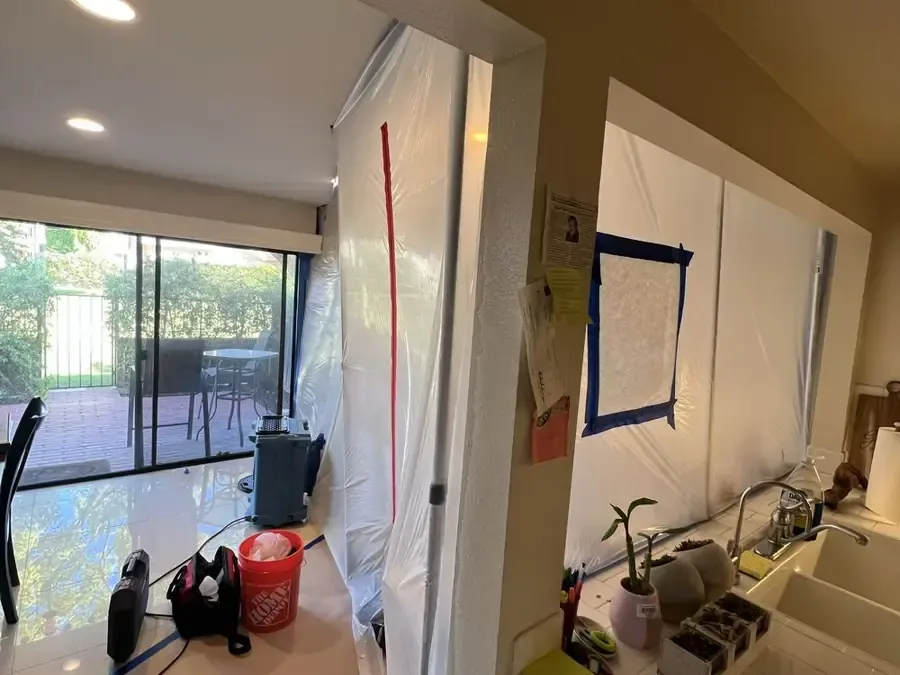
Air movers and LGR dehumidifiers go in the same visit, sized to the room and the class of loss. Drying should start within 24 to 48 hours, before mold can take hold. The Ready.gov flood safety page covers electrical and health precautions around standing water, and the EPA WaterSense leak checklist helps find slow leaks before they become the next extraction.