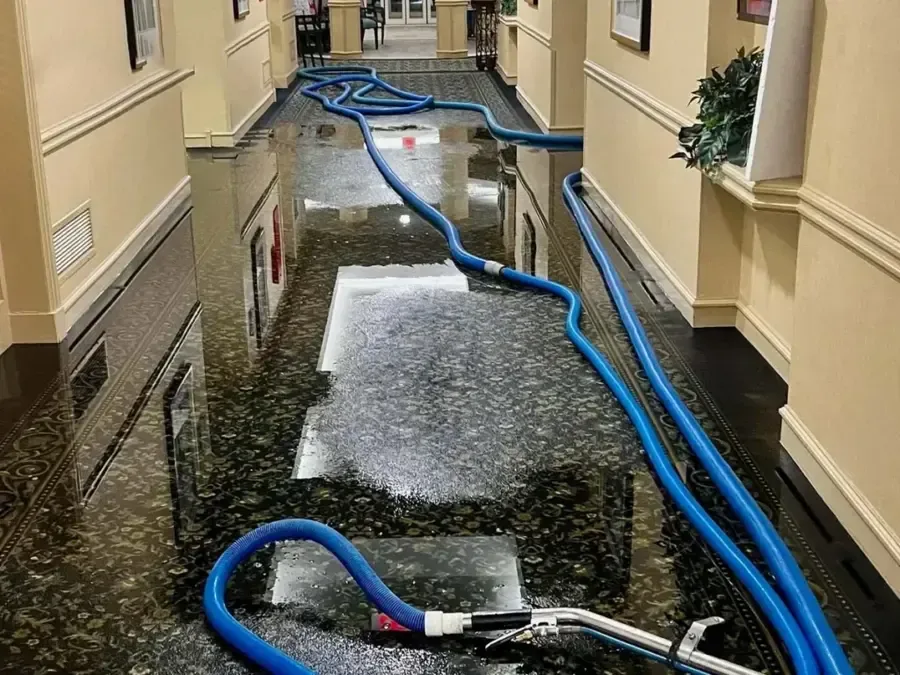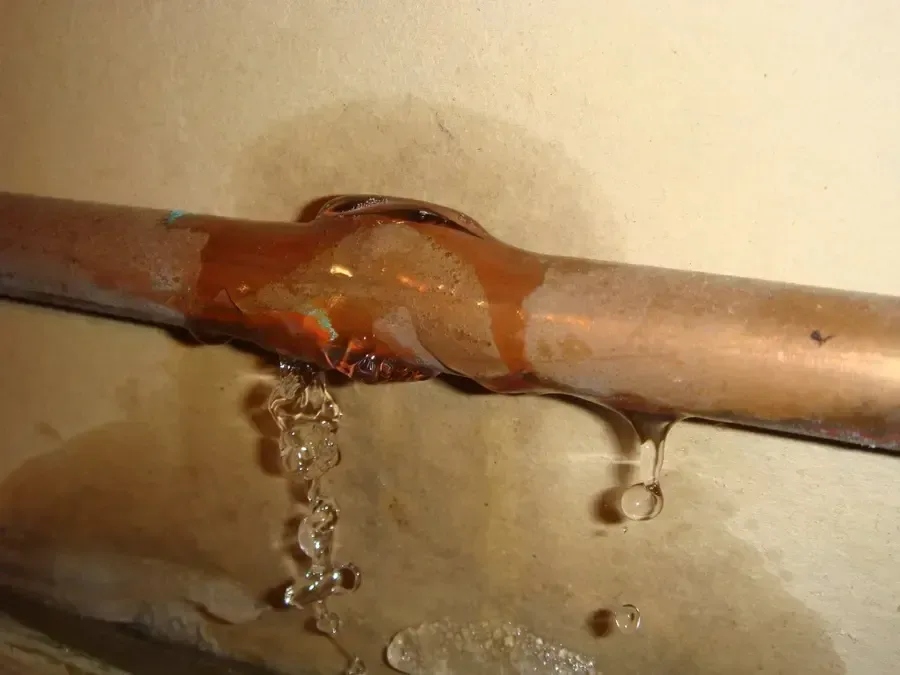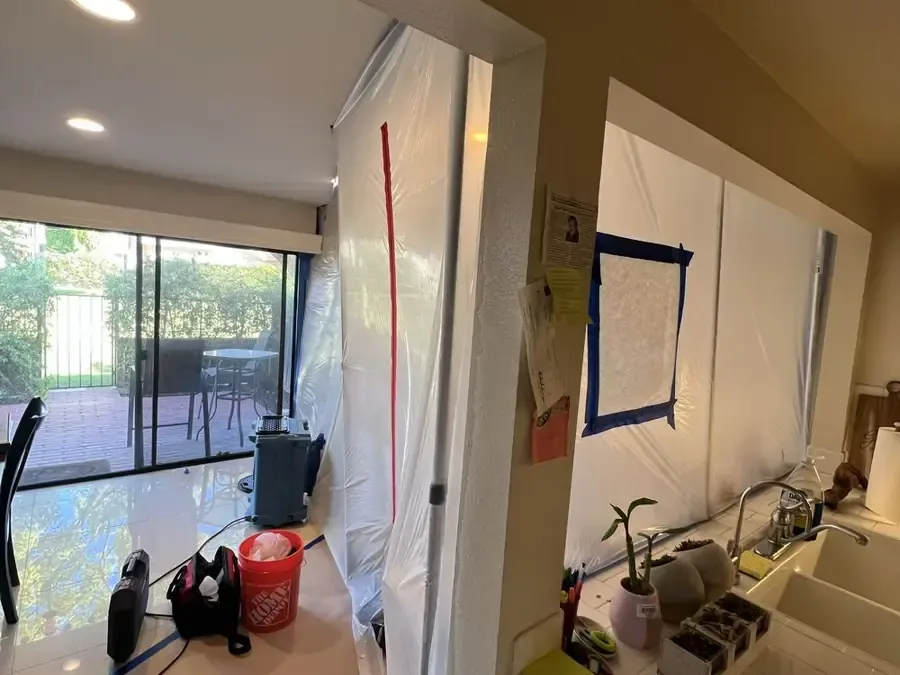
Structural drying is the part of a water job that decides whether the damage stops or keeps going. Water that soaked into framing, subfloor, drywall and concrete stays there after the surface looks dry, and it keeps feeding odor, swelling and the 24 to 48 hour mold window.
How a Lafayette drying plan is built
The plan starts with a moisture map: every wet material, its reading and a dry reference reading from the same material in an unaffected area. The class of loss sets the equipment: Class 1 is a small, mostly surface loss, Class 2 a whole room with carpet and wall bottoms, Class 3 water from above with walls soaked high, and Class 4 dense materials such as hardwood, plaster and concrete.
- Air movers placed to the evaporation load
- LGR dehumidifiers sized to the room volume
- Desiccant dehumidifiers for Class 4 materials
- Drying mats for hardwood floors
Drying in a dry climate
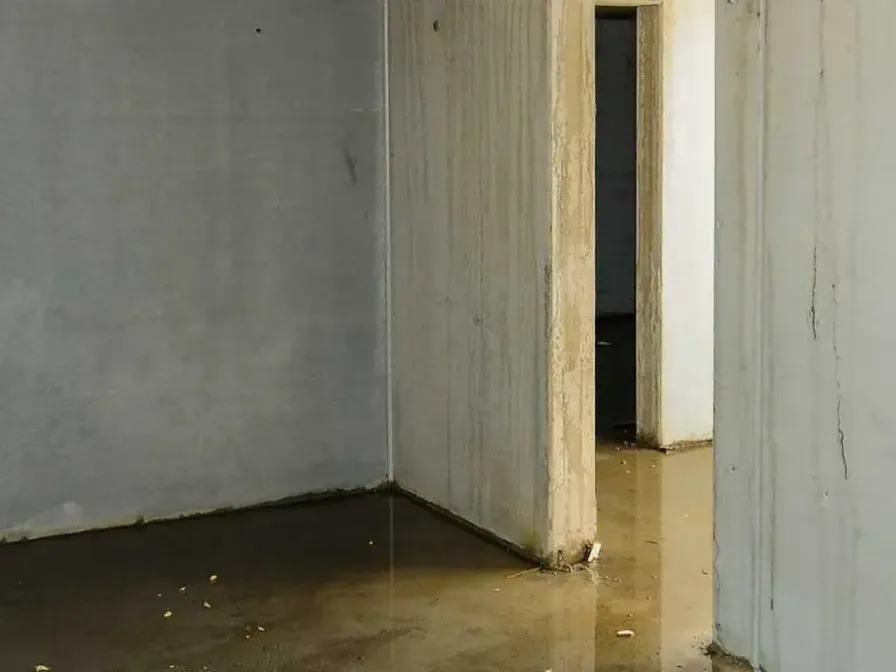
Colorado air is usually dry, which helps evaporation, but it does not dry a basement slab or a wall cavity on its own. Concrete in a basement near Lafayette Park or Indian Peaks and the hardwood in an older home near Old Town Lafayette both hold water deep and give it up slowly. Summer storm humidity slows the last points of drying, so dehumidifiers stay on until readings, not the calendar, say done.
- Air movers matched to the evaporation load
- Dehumidifiers matched to the room volume
- Readings checked against the dry reference every day
Proof for the claim file
The drying team records temperature, relative humidity and grains per pound inside and outside the drying area every day, along with material readings. Those psychrometric logs show the adjuster the structure was dried to the goal. The EPA indoor air quality pages explain why damp materials should not stay in a home, and Colorado State University Extension publishes home care information for Colorado conditions.