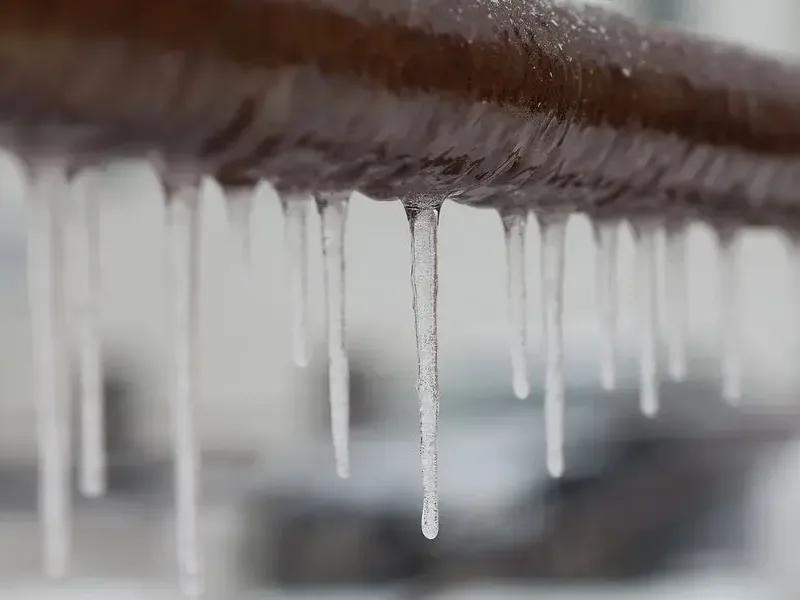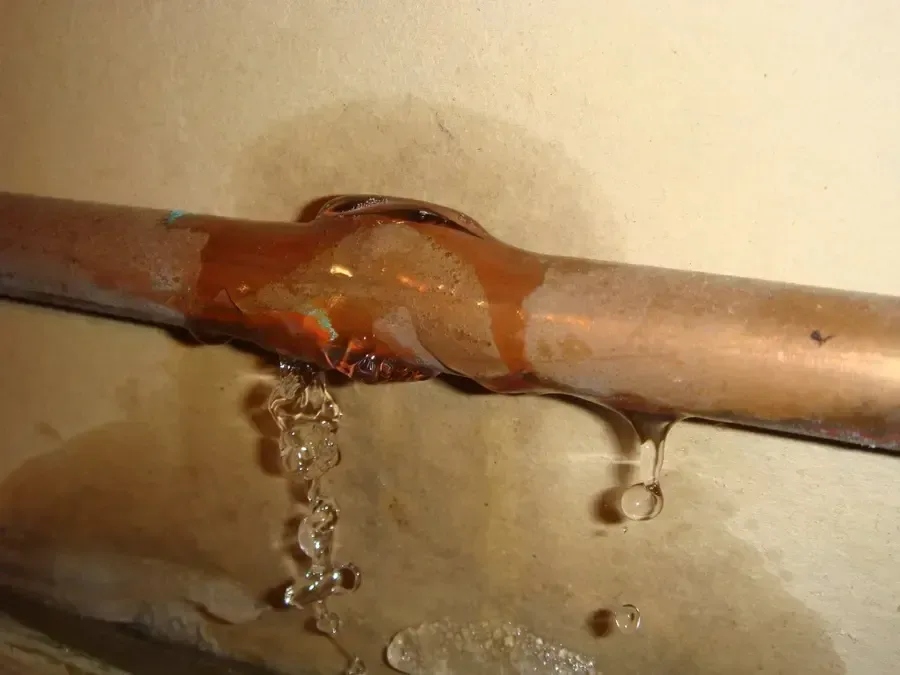
Pressurized supply pipes do not drip, they pour. A failed fitting or a split section inside a wall keeps running until someone closes the main, and the water follows framing, wiring holes and joists down to the lowest floor.
Why burst pipes spread so far in Lafayette houses
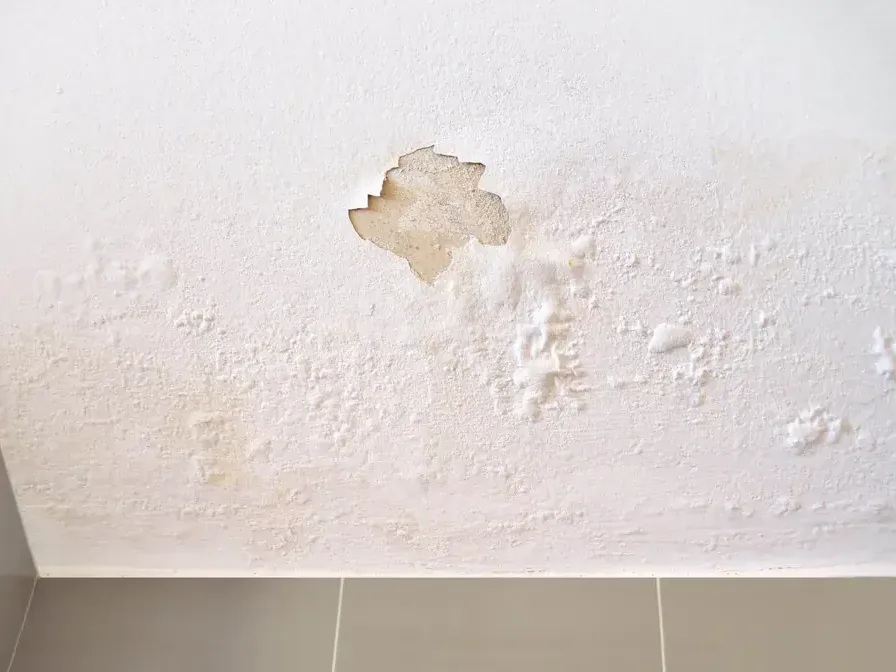
Water from a supply pipe is under constant pressure, so it travels sideways along top plates and down through wall cavities. A second-floor bathroom pipe can wet the kitchen ceiling, the basement drywall and the carpet below in the same hour. Older metal pipe and newer plastic fittings fail in different ways, but in an older home near Old Town Lafayette or any house from Baseline Road to South Boulder Road, the water behaves the same once it is loose.
- Failed fittings and valves under sinks
- Split pipe sections inside exterior walls
- Supply pipes over finished basement ceilings
- Corroded joints in older copper or galvanized pipe
Opening walls the right way
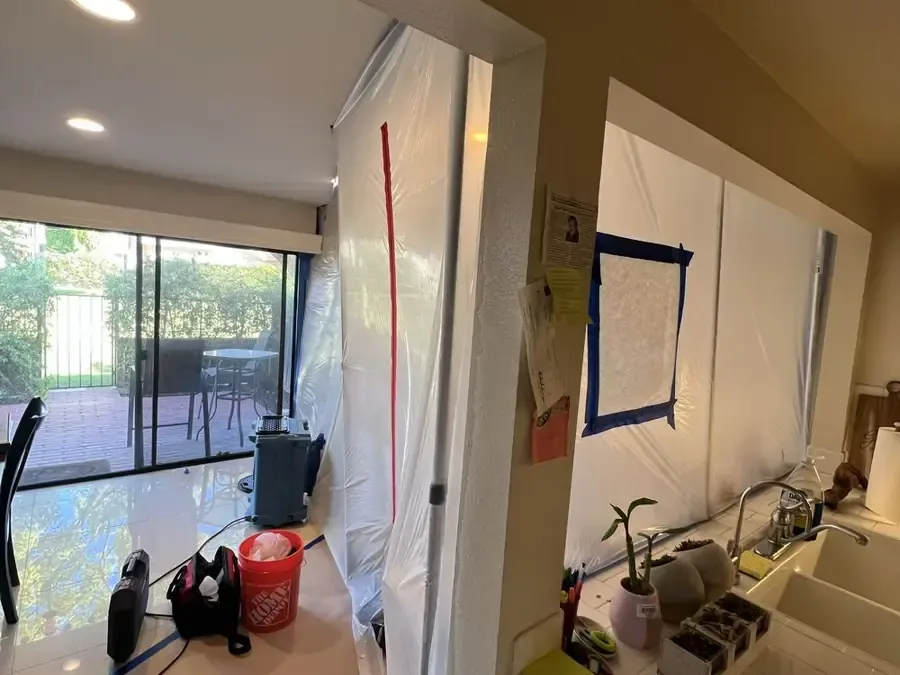
The crew uses thermal imaging and pinless meters to find where the water went before cutting anything. When a cavity has to be opened, a flood cut a short way up the wall or a few small vent holes often dry it without tearing the whole wall out. Insulation that soaked through comes out, because wet batts hold water against the framing.
The EPA WaterSense leak checklist is useful once the house is dry, and Ready.gov winter weather tips cover the cold-snap habits that keep pipes from splitting.
- Thermal imaging to see wet framing through drywall
- Pinless meters to confirm readings without holes
- Vent holes or a short flood cut, not whole walls
Plumbing repair and drying are separate jobs
A plumber repairs the pipe; the restoration team handles the water. Drying can start the moment the supply is off, even before the repair, so the two trades often overlap. The claim file keeps them apart: the plumbing invoice on one side, the moisture map, drying logs and photos on the other.