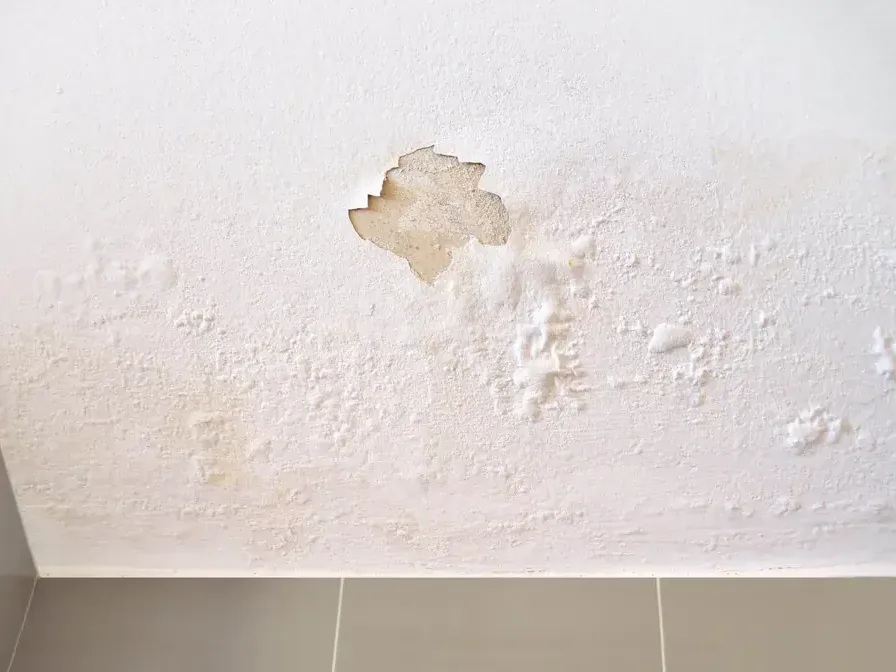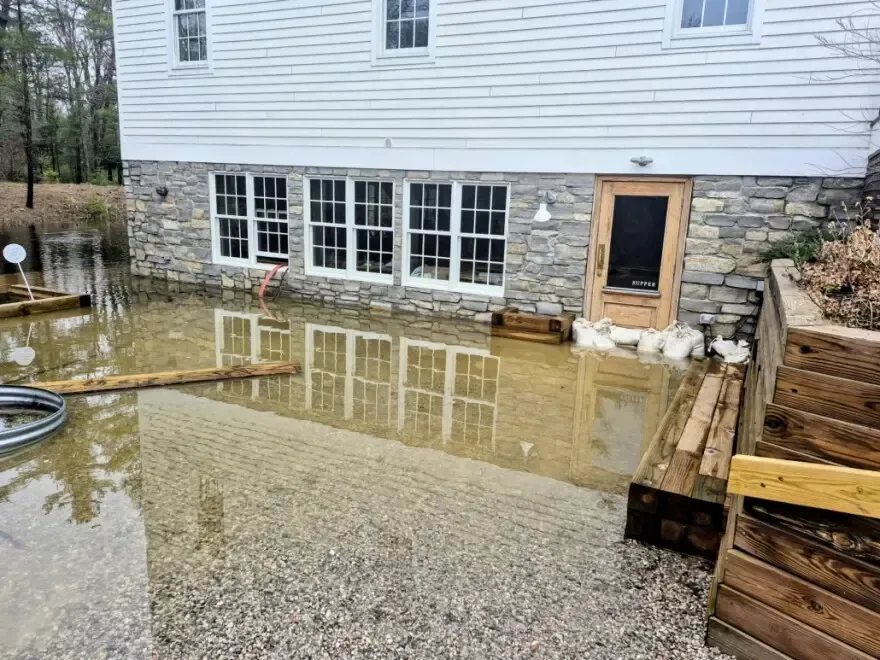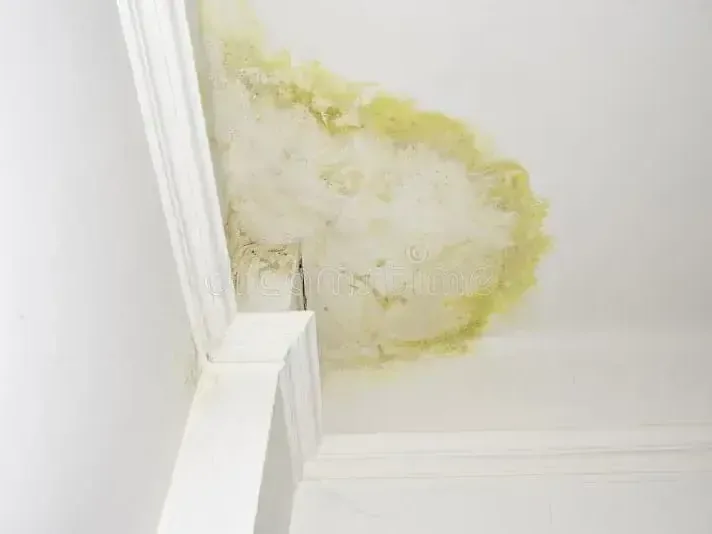
A roof leak is an envelope problem: the water comes from outside, through the shingles, flashing or vents, and soaks the attic first. By the time a ceiling stains, insulation above it has usually been wet for a while.
Common roof leak sources in Lafayette
Hail can crack and bruise shingles and dent vents, and the damage often leaks only in the next heavy rain. Roofs from Silver Creek to South Boulder Road face the same storms. In winter, snow that melts on a warm roof refreezes at the cold eaves and forms ice dams, which back water up under the shingles. Flashing around chimneys, skylights and walls wears out on older roofs, including many on the 1950s homes off South Public Road.
- Hail-damaged shingles and vents
- Ice dams at the eaves
- Worn flashing at chimneys and walls
- Skylights and roof penetrations
What gets dried and what comes out
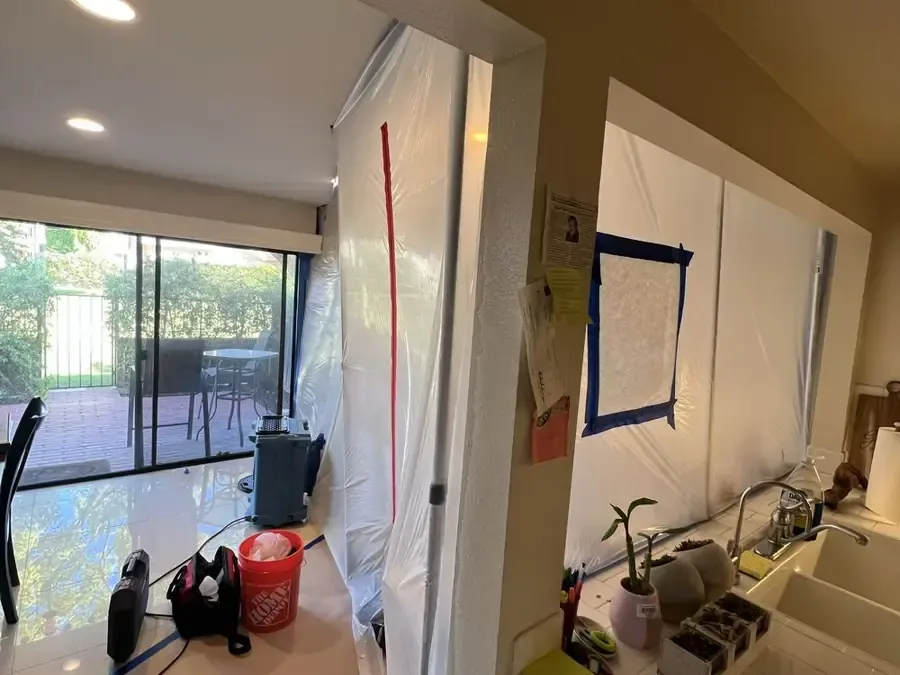
Wet blown-in or batt insulation compresses and holds water against the ceiling drywall, so it is removed and bagged. Ceiling drywall that sagged or stayed wet is cut out; drywall that stayed firm can often be dried in place. Attic framing and roof decking are dried with dehumidifiers and air movers, and the restoration team checks the walls below for water that ran down inside them.
- Soaked blown-in or batt insulation bagged
- Sagging ceiling drywall cut out before it falls
- Decking and rafters dried with dehumidifiers
Roof repair and interior drying
A roofer handles the roof itself; interior drying starts as soon as the leak is tarped or stopped. Photos of the roof damage, the attic and every ceiling stain belong in the same claim file. The National Weather Service Denver and Boulder office posts hail and storm warnings, and the Department of Energy Energy Saver pages explain attic insulation and air sealing that help limit ice dams.