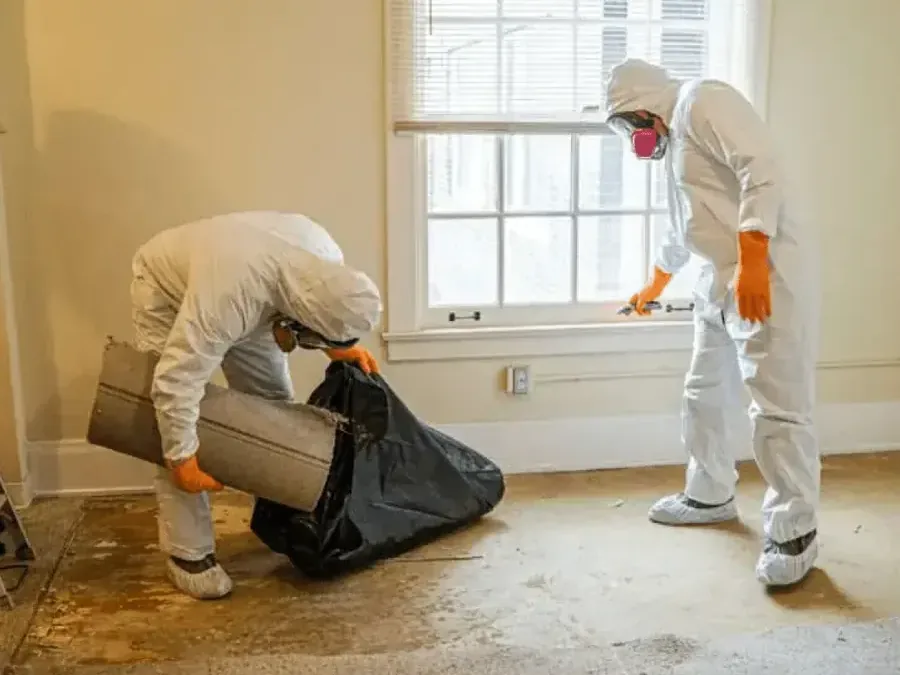
A backup may first appear at one fixture, yet the cause can lie elsewhere in the drainage system. Fort Lupton property owners can limit the spread by stopping water use, isolating the area, and preserving clear information about every affected drain.
Key takeaways
- Stop water use when a toilet, tub, sink, or household drain is backing up.
- Keep people and animals away from contaminated water and tracked debris.
- Clear the blockage before cleanup is treated as complete.
- Remove affected porous materials that cannot be safely cleaned.
- Dry framing and other retained materials to a measured endpoint.
Read the first signs without spreading the backup
A sewer backup can overflow from a tub, toilet, sink, or household drain. More than one fixture may gurgle or rise when the obstruction affects a shared portion of the drainage path.
Continuing to run a washer, shower, faucet, or toilet can add water behind the restriction and increase the indoor release.
The safest first response is to stop water use and keep traffic out of the affected rooms. Towels and household mops can spread contaminated water onto clean flooring and through the rest of the building.
A sewage backup cleanup assessment should record which fixture overflowed first, which other drains changed, and what materials the water touched. Those observations help separate source repair from building cleanup.
- Stop toilets, faucets, showers, and water using appliances.
- Close doors when that can be done without entering the wet area.
- Keep shoes, toys, and movable contents out of the overflow.
- Photograph the edge of the affected area from a safe position.
Roots, cracks, blockages, and deterioration require different repairs
Roots, cracked pipes, blockages and deterioration can cause a sewer backup. Cleanup cannot determine the exact plumbing defect by appearance alone.
A qualified plumbing evaluation is needed to clear the flow and identify what failed.
A removable blockage may restore drainage, while a cracked or deteriorated pipe can require further repair. Root intrusion points to an opening in the pipe path that must be addressed rather than treated only as material floating in the drain.
The restoration crew and plumbing professional handle connected but separate work. One controls the source and drainage function.
The other contains the indoor loss, removes contaminated material, cleans surfaces, and dries the remaining structure.
- Note whether several fixtures changed at once.
- Tell the plumber what water use preceded the overflow.
- Do not assume a cleared fixture proves the pipe is sound.
- Confirm normal drainage before rebuilding affected rooms.
Containment protects the rest of the property
Contaminated water can move under flooring, into wall bottoms, and across traffic paths. Containment defines the work area and controls how tools, debris, and workers move between affected and clean spaces.
Standing water is removed with equipment suited to the condition. Loose solids and damaged porous finishes are collected without carrying them through unprotected rooms.
Hard surfaces are cleaned after bulk material is gone, not before.
Occupants should avoid handling contaminated belongings without suitable protection. Items from the edge of the loss may look dry while their bottoms or packaging have absorbed water.
- Establish one controlled entry to the work area.
- Protect adjacent dry flooring from tracked material.
- Separate salvageable hard contents from saturated porous items.
- Bag removed material before it passes through clean rooms.
Older housing makes a material by material inspection useful
Recent census estimates report a median structure year of 1980 for the city. That figure does not identify the age or construction of a particular property, but it reinforces the need to inspect the actual layers present rather than assuming a standard floor or wall assembly.
A remodeled room may contain newer flooring over older material. Cabinets can hide wall surfaces, and a tub overflow can reach the floor edge beneath a fixture.
The inspection follows the measured moisture and the water path through the specific assembly.
Professional water extraction removes accessible liquid first. Controlled removal then exposes contaminated or trapped areas so cleanable framing and hard surfaces can be treated and dried.
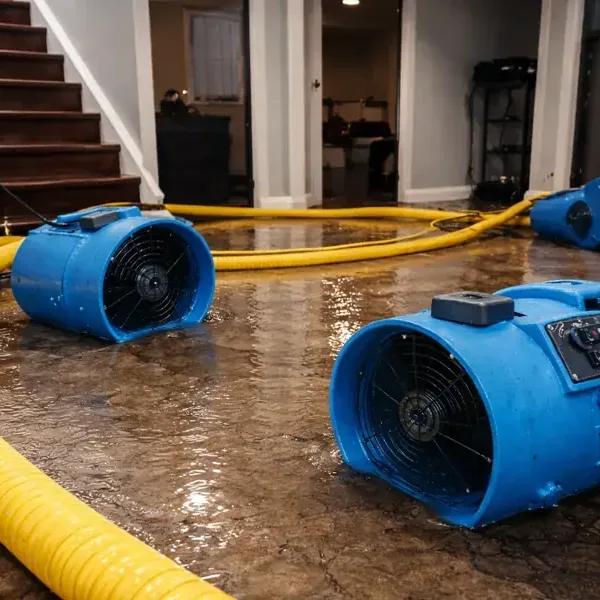
Cleaning ends before structural drying does
Once unsalvageable porous material is removed, remaining hard surfaces are cleaned and treated. That step addresses contamination on reachable surfaces, while drying addresses moisture held in framing, subfloor, masonry, and other retained materials.
Air movement should not begin in a way that spreads contaminated particles before removal and cleaning. Equipment placement follows containment and the condition of the work area.
After cleaning, dehumidification and directed air movement can support drying where appropriate.
Readings from affected material are compared with a dry reference. A surface that looks clean can still be wet, so appearance and odor are not the final drying test.
- Complete bulk removal before final surface cleaning.
- Reach wall plates, subfloor edges, and framing intersections.
- Place drying equipment for the exposed wet assembly.
- Document final readings before reconstruction.
Documentation keeps plumbing and restoration decisions connected
The job record should identify the first affected fixture, the rooms involved, the plumbing finding, removed materials, cleaning steps, and drying readings. Photographs taken before removal show the original boundary and support later assessment.
Fort Lupton participates in the National Flood Insurance Program, but an indoor sewer backup is not automatically a flood claim. Coverage depends on the policy and the source, so owners should describe the event accurately and avoid promises about payment.
The local water damage overview can help an owner coordinate related extraction or structural drying needs. Repairs should close only after the drainage source is controlled and retained materials meet the drying target.
The city publishes drinking water quality reports and maintains building permit records, but those programs do not identify the cause of an indoor drain overflow. The plumbing finding at the property remains the basis for repair.
Keeping municipal records, plumbing documents, and restoration notes in separate labeled groups makes the event easier to explain later.
- Keep the plumbing finding with the restoration file.
- List each removed finish by room.
- Save cleaning records and moisture logs.
- Ask the insurer how the policy treats the confirmed source.
Questions
What should stop first during a sewer backup?
Water use should stop so additional discharge does not reach the obstruction. Keep people away from the affected area while the drainage source and indoor spread are assessed.
Can roots cause an indoor backup?
Yes. Root intrusion is one possible cause, along with cracks, blockages, and deterioration. A plumbing evaluation is needed to identify the condition in a specific pipe.
Can wet carpet remain after sewage reaches it?
Porous material affected by sewage often cannot be safely cleaned in place. The decision depends on the water contact, material, condition, and ability to reach all affected layers.
Why does a wall need to be opened?
Overflow can enter the wall bottom or space behind a fixed finish. Controlled access allows contaminated material to be removed and retained framing to be cleaned and dried.
Does a clean appearance mean the room is dry?
No. Cleaning and drying are separate steps. Moisture readings are needed to confirm that retained structural materials reached the drying target.