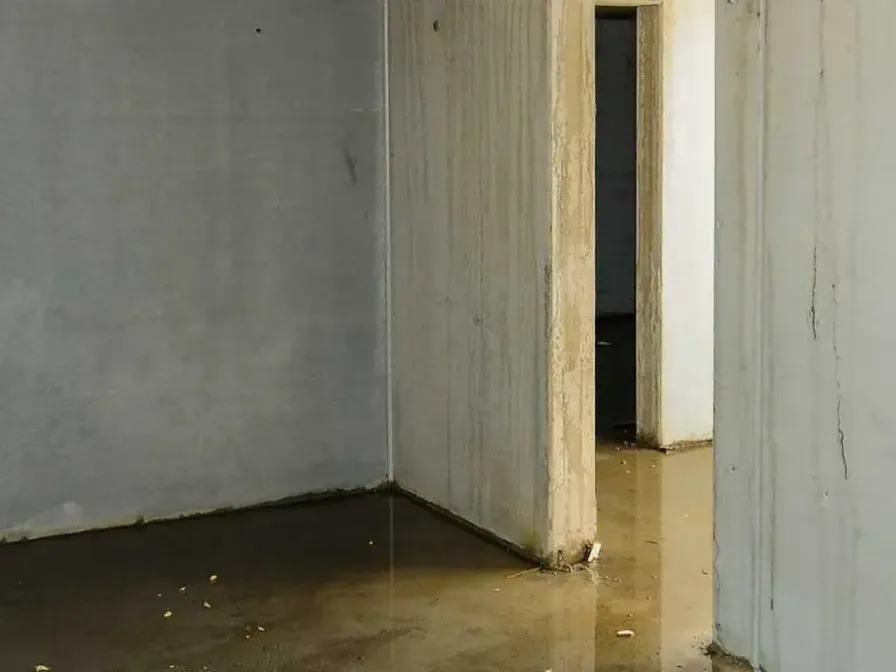
A sewer backup can overflow from a tub, toilet, sink, or household drain. Root intrusion, pipe cracks, blockages, and deterioration are among the possible causes. In Central Fort Lupton, the affected room should be isolated and unnecessary entry avoided until the source and sanitary conditions are assessed. Household cleaning alone does not address contamination that has entered porous finishes or hidden edges.
Containment protects the rest of the building
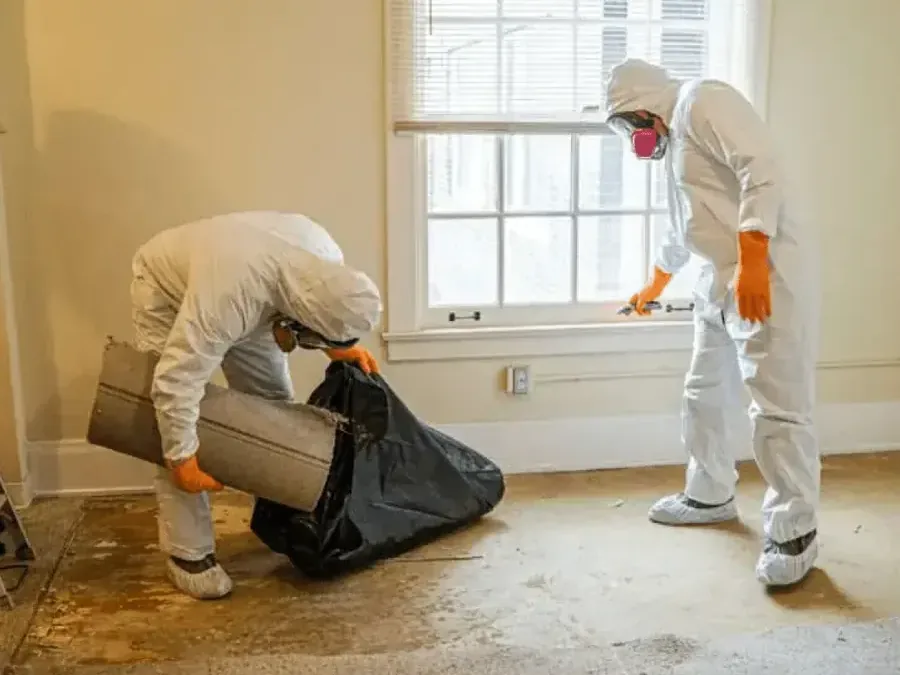
Technicians define entry and exit routes, establish work boundaries, and use protective practices suited to Category 3 exposure. Wastewater and solids are removed without spreading them into unaffected rooms. At properties in the South Platte Valley, the building layout and affected materials shape the containment plan. Clean items outside the wet boundary are protected while exposed belongings receive separate evaluation.
Porous and nonporous materials need different care
Carpet, pad, absorbent wall finishes, insulation, and some contents may not be suitable to retain after sewage contact. Hard, sound surfaces can often be cleaned through controlled procedures. Material removal also provides access to contaminated edges and trapped moisture. The decision rests on contact, condition, and the ability to clean the assembly, not merely whether a stain remains visible.
Drying begins after contaminated material is handled
Once removal and cleaning establish suitable conditions, air movement and dehumidification address remaining structural moisture. Readings show how framing and other retained materials respond. Photographs, disposal notes, cleaning records, and final measurements create a coherent history. Near Fort Lupton City Museum, South Platte Valley Historical Park, or elsewhere locally, the outcome should be a sanitary work area and verified dry structure prepared for repair.