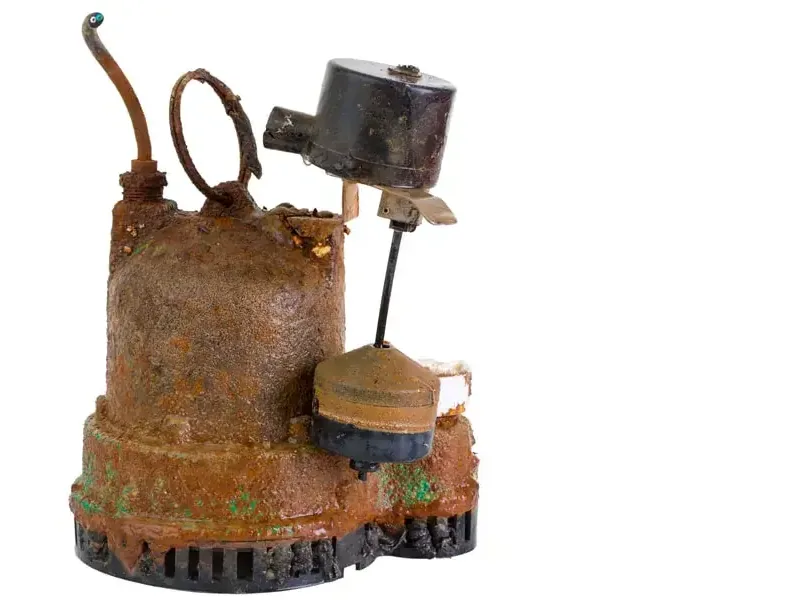
Pump and inflow cleanup

Sump Pump Failure Cleanup in Firestone, CO

A sump overflow can spread across the lower floor and soak wall bases. The response checks pump operation, traces the entry route, evaluates contamination, and watches for continuing inflow. Wet electrical equipment requires a clear safety boundary.

(888) 532-8620Assess the pump and water
Installed system verified Returning water observed Lower materials mapped
Sump basin and extraction hose beside a wet basement floor
Sump Pump Failure Cleanup · Firestone, CO
EquipmentConfirm pump and power
InflowWatch whether water returns
ExposureClassify water and materials
DryingMeasure the lower assembly
First steps

What to do right now about sump pump failure cleanup

  1. 1

    Stay clear of wet power

    Do not walk through standing water to reach a pump, outlet, or panel when electrical conditions are uncertain or visibly affected.

  2. 2

    Note the operating clues

    From a dry position, observe basin level, pump sound, visible inflow, and whether water continues spreading or begins to recede.

  3. 3

    Extract and sort

    The crew removes open water, establishes a protected contents path, and separates porous material based on source and condition.

  4. 4

    Dry by material zone

    Clean retained floors, walls, framing, and concrete receive targeted equipment and consistent readings through completion.

How the work is done

What a proper sump pump failure cleanup job takes in Firestone

System and source distinction

Pump operation, basin behavior, discharge clues, storm conditions, and alternate entry points are considered before attributing the loss to one cause. The same observation protects against mislabeling a hidden plumbing release.

Water category decisions

The likely source and material exposure shape personal protection, contents handling, porous removal, cleaning, and equipment transition.

Finished edge attention

Floor transitions, trim, wall bases, stairs, and stored item areas are checked because water remains there after broad extraction.

Monitored lower level recovery

The drying record separates concrete, wood, drywall, framing, and finishes so each retained material has a defensible end point.

Cost

What does sump pump failure cleanup cost in Firestone, CO?

An unfinished area with accessible surfaces generally fits the first range. Finished construction, mixed water, returning inflow, long exposure, and extensive stored property add handling, cleaning, removal, and drying work. Basin access, repeated inflow checks, and extensive contents can also increase the total.

Unfinished floor

$1,000 to $3,000
  • Accessible water on durable surfaces
  • Focused basin and perimeter checks
  • Limited material drying setup

Finished basement

$3,000 to $7,000
  • Flooring and walls receive water
  • Contents movement creates working access
  • Several zones need repeat readings

Long or mixed water

$7,000 to $14,000
  • Returning or contaminated water present
  • Porous removal and cleaning expand
  • Longer equipment and monitoring scope

What moves the number most:

  • The water category: clean, gray or black water
  • Square footage and how many levels got wet
  • Material class: carpet, drywall, hardwood or a concrete slab
  • How many hours passed before drying started

Ranges are typical, not a quote. The water damage cost calculator gives a closer range for your own rooms.

Response protocol

Sump Pump Failure Cleanup, step by step

On every Firestone job, moisture gets mapped before any equipment goes down, and the equipment stays until the readings say dry.

1

Diagnose the event

The technician records the installed system, operating response, water source clues, electrical conditions, and lower level boundary. The event map distinguishes observed facts from possible causes.

2

Control affected material

Open water is recovered and contents or finishes are organized according to contamination, cleanability, and access needs. Material handling stays aligned with the confirmed category.

3

Prepare retained surfaces

Durable materials are cleaned, trapped wet layers receive measured access, and every drying zone is labeled by material. Newly exposed floor areas receive their own extraction pass.

4

Follow the readings

Equipment changes respond to progress at floor edges, wall bases, concrete, framing, and other retained lower level assemblies. Final readings cover both center and perimeter zones.

Sump related flooding is a building water event, not simply an equipment problem. A switch, discharge, power condition, or heavy inflow may be involved, but another entry route can also place water near the pit. The crew tests those possibilities before defining restoration work.

Observe the basin before changing conditions

The water level, pump response, visible inflow, discharge behavior, and nearby electrical conditions are documented from safe access. Extraction can reveal whether water returns through the same point. That observation helps separate a one time equipment problem from continuing ground or storm entry.

  • Keep occupants away from wet powered equipment
  • Record whether the basin level changes
  • Check the surrounding floor for another source

Let water category control the material plan

Groundwater and storm entry are not assumed clean. Flooring, pad, drywall, insulation, trim, and stored goods are evaluated by exposure and cleanability. Durable surfaces may remain after detailed cleaning, while contaminated porous layers can require removal before structural drying.

  • Separate affected contents from dry storage
  • Inspect wall bases beyond the open puddle
  • Clean durable surfaces before placing drying equipment

Map the entire low area after extraction

Water settles into depressions, floor joints, perimeter gaps, and finish layers. The crew makes repeated recovery passes and measures each wall and floor material. Concrete, framing, and retained finishes receive separate drying goals instead of one general basement result.

  • Revisit edges after the center clears
  • Measure flooring layers and nearby wall plates
  • Confirm every retained zone at completion

A second operating check after broad extraction shows whether the basin and surrounding floor are stabilizing or receiving new water.

These observations remain part of the job record alongside the final wall and floor readings.
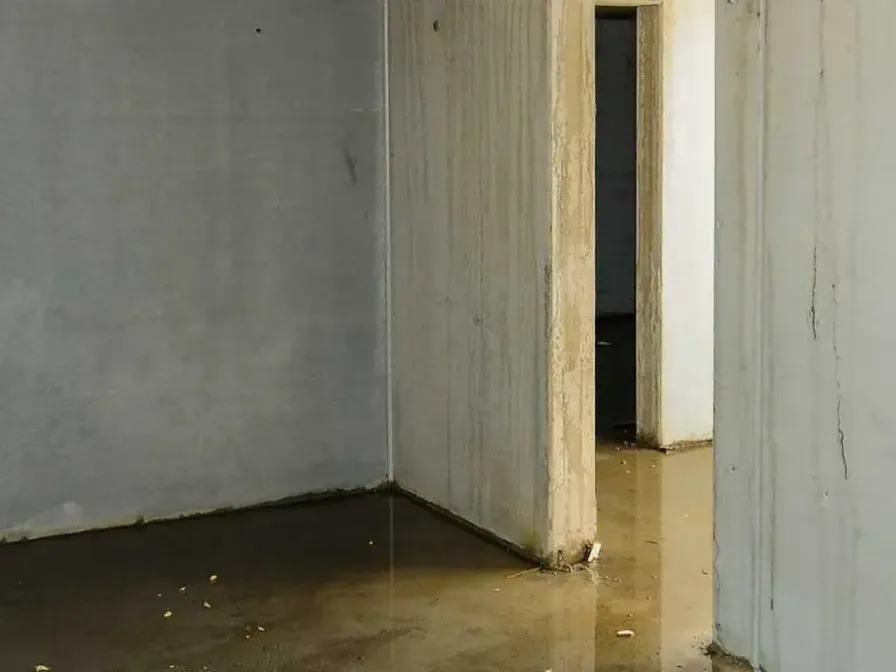
Service area

Sump pump failure cleanup across Firestone and the towns nearby

Dispatch runs day and night, and the restoration team works every neighborhood listed on the service area page.

Firestone, CO

Service covers Barefoot Lakes, Neighbors Point, The Shores, Booth Farms, and Sagebrush throughout ZIP area 80504, without assuming every property has a sump system. Response also reaches Cordovan and Mountain Shadows for verified pump related or lower level water losses.

The same service nearby: sump pump failure cleanup in Lafayette, Fort Lupton, Niwot.

Water damage restoration in Firestone · every town covered

Water still moving through a Firestone house? 24/7 dispatch: (888) 532-8620
FAQ

Sump Pump Failure Cleanup questions, answered

Does every home in town have a sump pump?

No. The service first confirms whether a sump system is installed and relevant. Lower level water can also come from plumbing, storm entry, groundwater, appliances, or another source.

Why is the pump observed before extraction?

Basin level, operating response, inflow, and discharge clues help explain the event. After removal, returning water can reveal an active source that needs separate control.

Can the pump be repaired by the cleanup crew?

Restoration focuses on water, affected materials, cleaning, and drying. Mechanical or electrical pump repair may require an appropriate trade, with access coordinated around the cleanup.

Is groundwater handled like a clean pipe leak?

No. Groundwater and storm entry can contain soil or contaminants. The likely source and exposure determine protection, porous material, cleaning, and equipment decisions.

What happens to finished basement flooring?

Construction, water category, trapped layers, swelling, adhesion, and drying response control whether flooring can remain. Direct readings are needed beneath or around the surface.

Why inspect wall bases around the entire room?

Water can wick into drywall and trim or remain in perimeter joints beyond the central puddle. Those edges often need separate extraction and monitoring.

How is the lower level declared dry?

Each retained material zone is compared with suitable dry references. Final readings cover concrete, framing, wall bases, flooring edges, and any opened cavity before equipment leaves.

What indicates that inflow is still active?

A rising basin, renewed water at one edge, repeated pooling after extraction, or changing flow during weather can all be clues. The source still needs direct assessment because the same pattern can have several causes.

Water still coming in?

A wet sump area needs source investigation as well as water removal.

(888) 532-8620Discuss the basin and inflow
24/7 emergency dispatch

Restore the full lower level

System checks, category decisions, perimeter extraction, cleaning, and material readings create a complete response around the actual event.

(888) 532-8620Call about sump water
Lafayette Water Damage Restoration Firestone, CO (888) 532-8620 Open 24 / 7 / 365
(888) 532-862024/7 dispatch