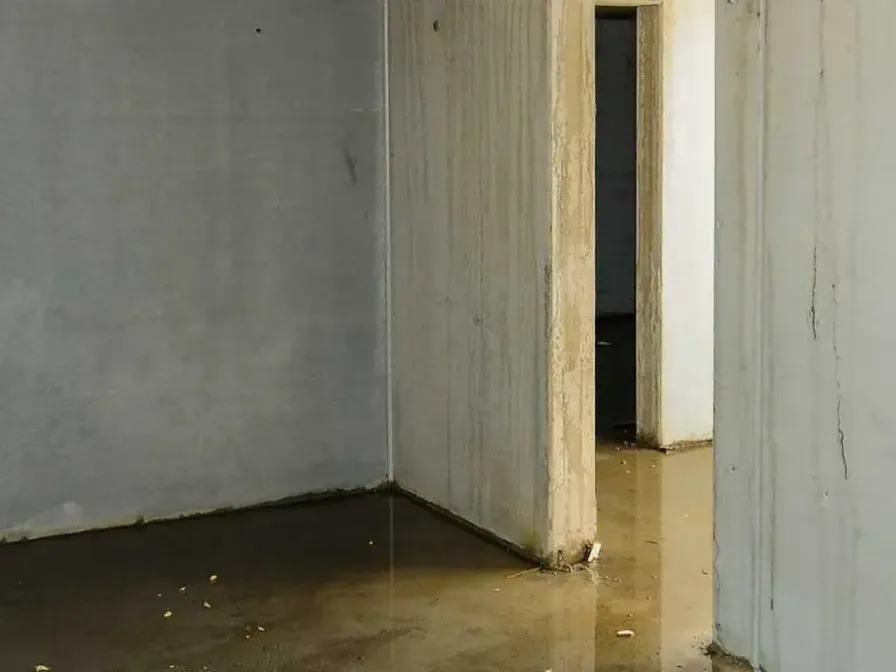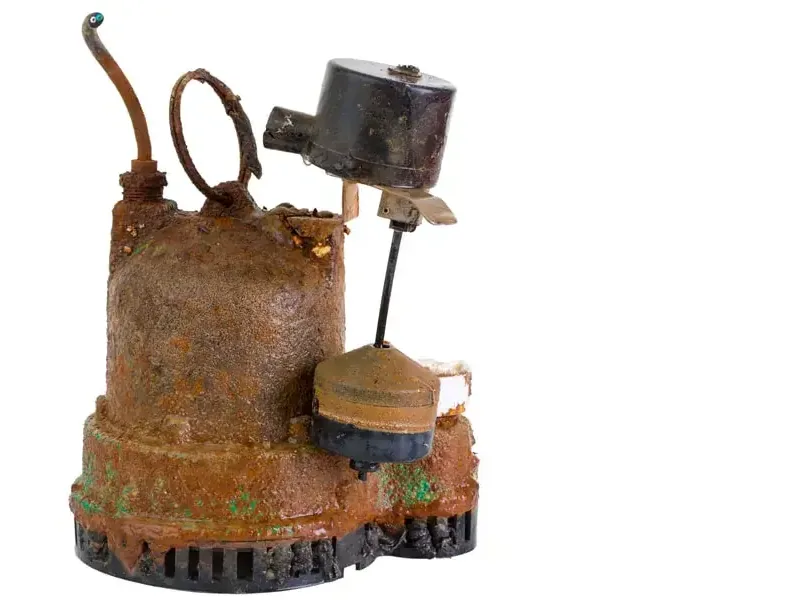
Sump cleanup in Niwot addresses overflow from a system that has failed, lost power, jammed or been overwhelmed. The crew checks the basin and discharge, records continuing inflow and documents nearby floor and wall conditions. Extraction begins once the work area is safe and the source is controlled.
Separate pump trouble from the cleanup scope
Restoration addresses the water and affected materials, while pump diagnosis or replacement belongs to the appropriate trade. Standing water around powered equipment should not be entered until electrical conditions are controlled. The crew determines whether the water stayed near the pit, crossed into finished space or mixed with a source that changes its contamination category.
- Keep clear of wet electrical equipment
- Confirm whether inflow has stopped
- Record pit and floor conditions
- Identify finished materials at the edge
Water can move beyond the obvious low spot
Concrete may carry shallow water toward wall bases, storage or adjoining rooms. Carpet and pad can wick from an edge even when the center looks unaffected. The inspection follows these paths with moisture readings. At a property near Dry Creek or Cottonwood Park West, the crew checks the equipment route and the affected lower floor before unloading.
- Trace water beyond the pit
- Test pad and lower drywall
- Separate contents by condition
Dry the assembly after extraction
Extractors collect the accessible water, then air movement and dehumidification address what entered porous and dense materials. Contaminated finishes may require removal instead of drying in place. Readings from concrete, framing and wall edges show whether the equipment layout is working. Basement flooding cleanup covers broader lower level losses from other sources.