Contaminated indoor water

Sewage Cleanup in Firestone, CO

A wastewater release requires a deliberate boundary from the start. Occupant protection, waste removal, surface cleaning, and structural drying cannot be treated as interchangeable steps. That order protects adjacent clean rooms from unnecessary exposure.

(888) 532-8620Arrange controlled sewage cleanup
Affected rooms isolated Waste leaves by protected route Drying follows detailed cleaning
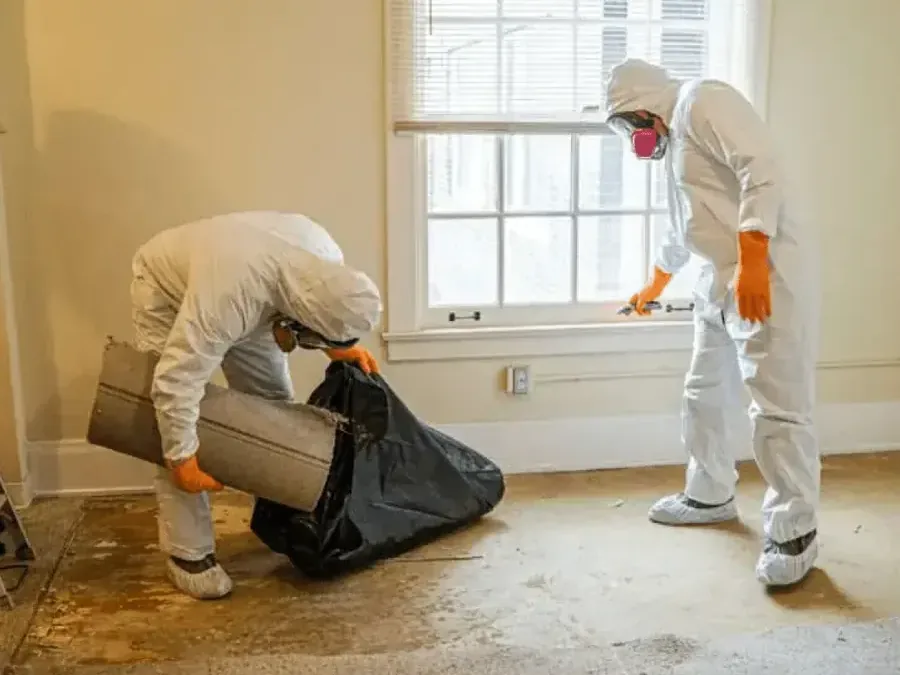
Technicians in protective suits bagging removed flooring and treating an exposed floor
Sewage Backup Cleanup · Firestone, CO
BoundaryClose the affected rooms
WasteRemove unsafe porous layers
CleaningAddress every retained edge
DryingMeasure only prepared surfaces
First steps

What to do right now about sewage backup cleanup

  1. 1

    Keep everyone outside

    Close off the affected rooms, keep pets away, stop use of involved fixtures, and avoid carrying wet items through clean parts of the property.

  2. 2

    Correct the source

    Arrange the appropriate wastewater or plumbing work so another discharge cannot undo removal and cleaning already completed.

  3. 3

    Remove and clean

    The crew extracts contaminated water, removes unsafe porous layers, and cleans every accessible retained surface inside the boundary.

  4. 4

    Dry the prepared structure

    Clean framing, concrete, wall edges, and other retained materials receive controlled equipment and repeated moisture checks.

How the work is done

What a proper sewage backup cleanup job takes in Firestone

Restricted access plan

The room boundary, protected travel route, clean staging area, and waste exit are defined so contaminated material does not cross ordinary living space.

Firm porous material decisions

Absorbent flooring, wall layers, insulation, and contents are evaluated by direct exposure and realistic cleanability rather than hidden beneath drying.

Detailed durable surface work

Gross soil leaves first, followed by methodical cleaning of floors, framing, fixtures, seams, edges, and structural penetrations.

Clean structural drying phase

Fresh equipment enters after preparation, and material readings document the return of retained surfaces to appropriate dry conditions.

Cost

What does sewage backup cleanup cost in Firestone, CO?

A contained backup with durable finishes usually fits the first range. A finished basement, several rooms, extensive absorbent contents, difficult access, or a large discharge adds removal, cleaning, disposal, and drying. Contents volume, access restrictions, and the protected disposal route can also change labor.

Contained backup

$2,000 to $5,000
  • Limited room boundary established
  • Focused porous removal and disposal
  • Durable surfaces cleaned and dried

Finished basement

$5,000 to $12,000
  • Flooring and wall finishes exposed
  • Larger containment and waste route
  • Structural cleaning precedes drying

Large backup

$12,000 to $25,000
  • Many surfaces or contents affected
  • Substantial removal and detailed cleaning
  • Broad drying and documentation operation

What moves the number most:

  • The water category: clean, gray or black water
  • Square footage and how many levels got wet
  • Material class: carpet, drywall, hardwood or a concrete slab
  • How many hours passed before drying started

Ranges are typical, not a quote. The water damage cost calculator gives a closer range for your own rooms.

Response protocol

Sewage Backup Cleanup, step by step

On every Firestone job, moisture gets mapped before any equipment goes down, and the equipment stays until the readings say dry.

1

Set the boundary

The crew identifies affected rooms, access restrictions, utilities, clean staging, and the route for contaminated debris and equipment. The first photographs record the restricted boundary.

2

Complete gross removal

Standing sewage, visible waste, and porous materials that cannot be restored leave through protected paths with condition records. Removed items are associated with their original rooms.

3

Clean retained construction

Durable floors, framing, wall plates, fixtures, seams, and penetrations receive detailed cleaning after visible residue is gone. Surface details remain visible for the cleaning check.

4

Dry and close

Prepared structural materials are measured, dried, and documented, with final conditions tied to each retained area. Dry results are recorded apart from sanitation work.

A sewage backup can spread through foot traffic, contents movement, and unplanned equipment placement. The first objective is therefore a stable work boundary. People and pets remain outside it while a protected route is established for extraction tools, debris, and bagged material.

Containment begins with how the crew moves

The affected room, clean staging point, and material exit route are identified before gross removal. Standing sewage and visible waste are recovered without carrying residue across unaffected flooring. Tools that contact contamination remain separated from clean drying equipment until the work changes phases.

  • Block ordinary traffic through the work area
  • Protect hallways used for material removal
  • Keep clean supplies outside the contaminated boundary

Porous and durable materials are treated differently

Carpet, pad, drywall, insulation, and absorbent contents can hold contamination below their surfaces. Their exposure and ability to be restored are assessed firmly. Tile, concrete, sound framing, and other durable materials may remain when every exposed face can be reached for detailed cleaning.

  • Remove porous layers that cannot be fully cleaned
  • Expose seams and penetrations in retained surfaces
  • Document contents before disposal or separate handling

The clean and dry phases have a clear transition

Air movement is not placed across gross sewage. After contaminated material leaves and retained surfaces are cleaned, moisture readings establish the structural drying zone. Dehumidification and controlled airflow then serve the prepared building materials, with final measurements recorded independently from cleaning.

  • Photograph cleaned structural surfaces before equipment
  • Track framing, concrete, and wall edges separately
  • Complete with both cleaning and moisture records
Service area

Sewage backup cleanup across Firestone and the towns nearby

Dispatch runs day and night, and the restoration team works every neighborhood listed on the service area page.

Firestone, CO

Cleanup reaches St. Vrain Ranch, Mountain Shadows, Cordovan, Neighbors Point, and The Shores across the confirmed 80504 ZIP area, including finished lower levels where documented. Service also includes Booth Farms and Barefoot Lakes when wastewater affects floors, walls, or stored property.

The same service nearby: sewage backup cleanup in Lafayette, Fort Lupton, Niwot.

Water damage restoration in Firestone · every town covered

Water still moving through a Firestone house? 24/7 dispatch: (888) 532-8620
FAQ

Sewage Backup Cleanup questions, answered

Should occupants clean a sewage backup themselves?

Contact and spread risks make professional assessment appropriate. Keep people and pets away, stop fixture use, and avoid moving contaminated items through clean rooms.

Can wet carpet stay after a backup?

Carpet and pad are porous and can hold contamination beneath the surface. Direct sewage exposure commonly leads to removal rather than in place drying.

Why is drying equipment delayed?

Airflow across gross contamination can distribute residue. Removal and detailed cleaning prepare retained structural materials before clean air movement and dehumidification begin.

Which hard materials may remain?

Some concrete, tile, metal, and sound framing can remain when their condition allows access to every exposed face for thorough cleaning and measured drying.

What happens to contaminated belongings?

Items are documented and separated by material, exposure, condition, and realistic cleanability. Handling keeps them from touching clean contents or blocking the work route.

Does source repair complete the cleanup?

No. Source correction prevents another discharge. Restoration still addresses contaminated water, material removal, surface cleaning, structural moisture, and the completion record.

When can repairs cover the opened structure?

Finish repair follows removal, cleaning, and verified drying. Framing and other retained surfaces should be documented before new drywall, insulation, or flooring conceals them.

How are clean tools kept separate from sewage work?

Tools and equipment that contact contaminated water remain within the affected workflow until handled appropriately. Clean drying equipment enters only after gross removal and surface cleaning prepare the retained structure for the moisture control phase. That separation continues through final equipment removal.

Water still coming in?

Contaminated water requires an ordered transition from restricted access to clean drying.

(888) 532-8620Describe the sewage loss
24/7 emergency dispatch

Contain, clean, and dry the affected rooms

Protected movement, porous removal, detailed cleaning, and final material readings restore the building without spreading residue.

(888) 532-8620Call for contained cleanup
Lafayette Water Damage Restoration Firestone, CO (888) 532-8620 Open 24 / 7 / 365
(888) 532-862024/7 dispatch