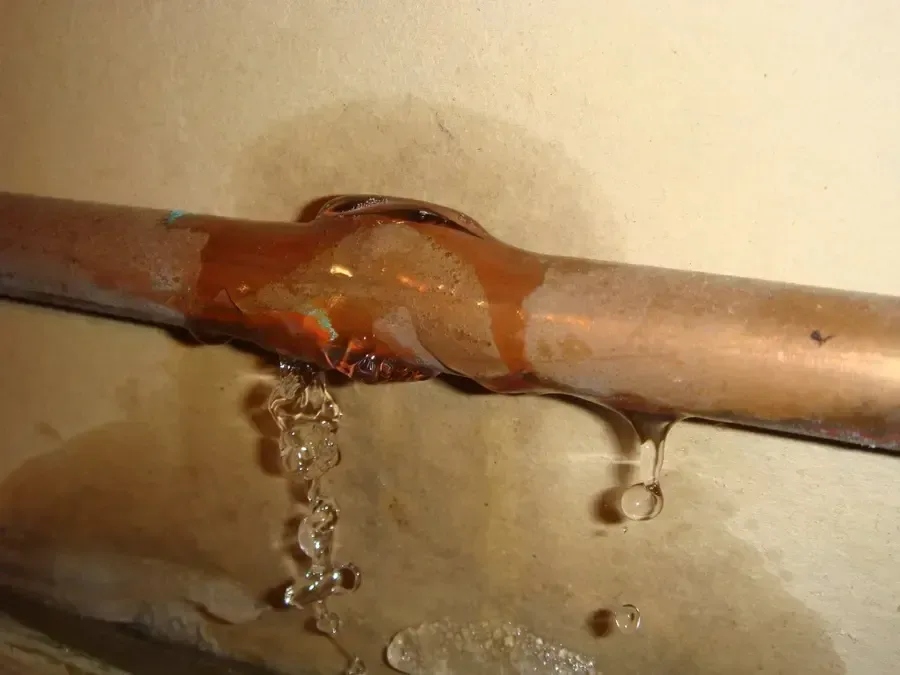
A mobile home pipe leak raises two urgent questions at once: who can control the source, and how far has the water traveled through the home? Boulder records provide a clear responsibility distinction that can help residents notify the right party while interior extraction begins.
Key takeaways
- A park owner maintains pipes from the city meter to individual homes.
- A mobile home owner is responsible for leaks inside the home.
- Only city personnel are authorized to open city water meter pits.
- Stop water safely, document the source location, and notify the responsible party.
- Check floor edges, cabinets, walls, and the space below for hidden moisture.
Start by locating the leak on the correct side of responsibility
Mobile home park owners maintain pipes from the city meter to individual homes. A mobile home owner is responsible for leaks inside the home.
That distinction gives residents a starting point for notification without guessing about an unseen break.
Water surfacing outside or a pressure change across several homes may call for an assessment by park management. Water spraying from a fixture connection, cabinet pipe, or appliance supply inside one home points to the interior system.
A plumber or utility representative may still be needed to confirm the exact source.
The burst pipe response page covers indoor source control and cleanup. Residents should record where water first appeared and which controls were used.
- Note whether one home or several homes show a change.
- Photograph the first visible release point from a safe location.
- Notify park management when the source may be outside the home.
- Arrange plumbing repair for a confirmed interior failure.
City meter pits remain with authorized personnel
Water meter pits are usually in the public right of way between the sidewalk and street, and only city personnel are authorized to open them. Meter access supports frozen pipe shutoffs and emergency maintenance, but occupants should not enter or operate that space themselves.
An accessible interior or home specific shutoff may control a leak sooner when it can be reached safely. If standing water, damaged flooring, or electricity makes the route unsafe, the occupant should remain out and request appropriate help.
Clear communication matters. Tell the utility, park manager, or plumber where water is visible, whether pressure changed, and what control has already been closed.
- Do not open a city water meter pit.
- Keep the path to an authorized interior shutoff clear.
- Avoid standing water near electrical equipment.
- Report the observed source without claiming a pipe location that has not been verified.
Named parks share a utility category, not one construction pattern
Boulder Meadows, Mapleton, Vista Village, Orchard Grove, and Ponderosa are mobile home parks served by city water. Naming them confirms local context, but it does not mean every home has the same age, floor assembly, plumbing route, or shutoff arrangement.
Each cleanup begins with the home in front of the crew. Water beneath a kitchen cabinet may follow plumbing openings into the floor.
A bathroom release can reach an adjoining room. A frozen section near an exterior wall can open during a thaw and wet insulation before water becomes visible indoors.
Property specific observation prevents a general park fact from turning into an unsupported building claim.
- Identify the room and assembly actually affected.
- Trace the pipe route only where evidence supports it.
- Check adjoining rooms and fixed cabinets.
- Inspect below the release when safe access exists.
Lightweight floor assemblies can hide a broad wet area
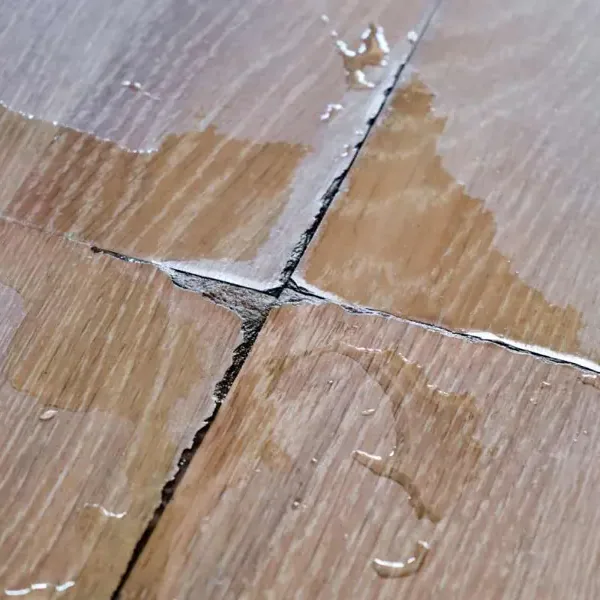
Water follows seams, penetrations, and low points beneath visible finishes. A small puddle beside a fixture can spread under cabinets or flooring before it appears at an edge.
The material map therefore extends beyond what can be seen from above.
Visible water is removed first. Floor coverings or cabinet bases may require controlled access when they prevent readings or trap moisture.
Material decisions depend on condition, exposure, and whether the layer can be reached and dried.
A structural drying assessment compares affected materials with dry reference areas in the same property. The team can then focus equipment on the measured assembly rather than drying the entire home by assumption.
Frozen pipes require observation during the thaw
Local guidance confirms that frozen water expands and can burst a pipe. It identifies exterior walls, attics, garages, basements, crawl spaces, and cabinets as exposure areas.
A particular mobile home may contain only some of those locations.
Reduced flow or no flow during severe cold can precede a release. Before thawing, the shutoff should be known and the area below the suspected section should be cleared.
Gradual warming is safer than intense heat, and any open flame should be avoided.
As flow returns, watch the entire accessible route for drips, spraying, wall changes, or water beneath the home. Close the source if a split appears and document the location for repair and drying.
- Locate the safe shutoff before warming a pipe.
- Clear contents from the area beneath the suspected freeze.
- Watch adjoining finishes as flow returns.
- Request plumbing repair before closing an opened assembly.
One record can coordinate the resident, park, utility, and crew
A useful incident record identifies where the release appeared, who controlled the water, what plumbing finding was made, and which materials became wet. It also lists removal, equipment placement, and final moisture readings.
That record keeps responsibility and restoration from being confused. The park or utility may address an outside source while the homeowner manages wet materials inside.
An interior source can reverse that communication pattern while still requiring park access coordination.
The Boulder water damage overview connects extraction, frozen pipe, and drying services in one place. Residents can use the completed record to improve shutoff labels, emergency contacts, and access around vulnerable cabinets.
- Write down each contact and source finding.
- Label photographs by room and date.
- Keep removed material notes with moisture readings.
- Update shutoff and management contact information after the repair.
Questions
Who maintains pipes between the city meter and a mobile home?
The mobile home park owner maintains pipes from the city meter to individual homes. A specific failure should still be confirmed before responsibility is assigned.
Who handles a leak inside the mobile home?
The mobile home owner is responsible for leaks inside the home. The owner can arrange plumbing repair and interior water cleanup while keeping park management informed when access is involved.
Can a resident open the city meter pit?
No. Only city personnel are authorized to open city water meter pits. Residents should use an accessible authorized shutoff or contact the appropriate party.
Why inspect beneath cabinets after a small leak?
Water can travel through plumbing openings and beneath fixed finishes. The visible puddle may be smaller than the wet area in the floor assembly.
How is drying completion confirmed?
Affected material readings are compared with dry reference material at the home. The record should identify every checked area and the final result.