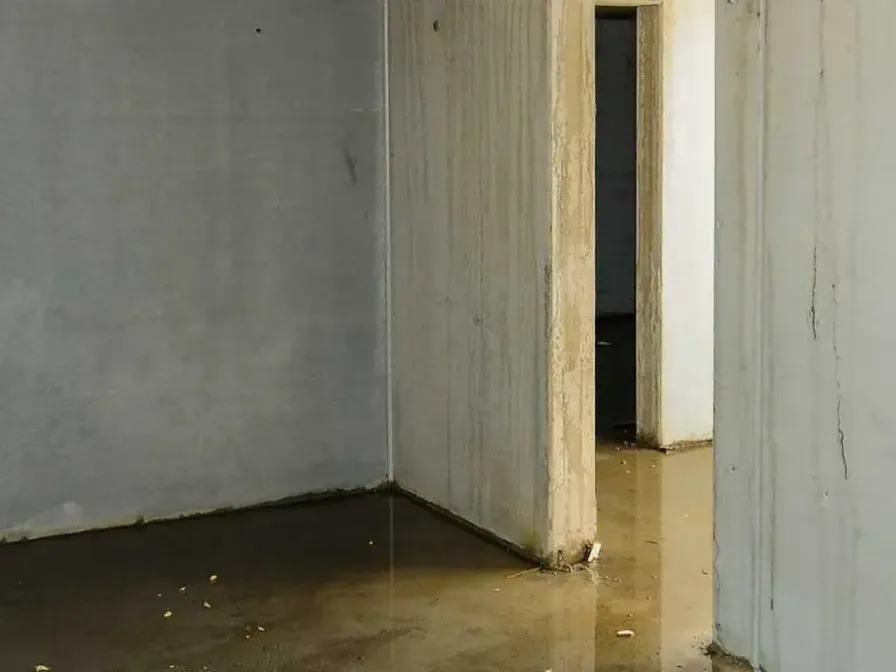
Heavy rain caused destructive flooding in Boulder in September 2013, closing roads and the University of Colorado Boulder. Boulder Creek crosses the city center, but a wet basement can also result from a supply failure or a sewer backup. At a property in Gunbarrel or near University Hill, the first inspection identifies the source and checks access, electrical exposure and water depth before pumping begins.
What cleanup of a flooded lower level involves
Pumping comes first, but depth matters, so deep water is often removed in stages instead of all at once. Carpet and pad usually come out, baseboards are removed, and drywall is cut above the water mark. On concrete, the crew vacuums the residue and sets air movers and dehumidifiers to pull moisture from the slab and the bottom of every wall.
- Water removed in controlled stages
- Carpet, pad and baseboards pulled
- Drywall cut above the water mark
- Slab dried with dehumidifiers
Finished or unfinished makes a difference
An unfinished space is mostly about the floor and framing, so extraction and drying move along quickly. A finished lower level has carpet, drywall, insulation and sometimes cabinets or a bathroom, and each layer holds water. The crew documents what comes out, because those details support the insurance claim and the later rebuild.
- Unfinished floors dry fastest
- Finished spaces need layered removal
- Built-ins and cabinets assessed
Finding why it flooded
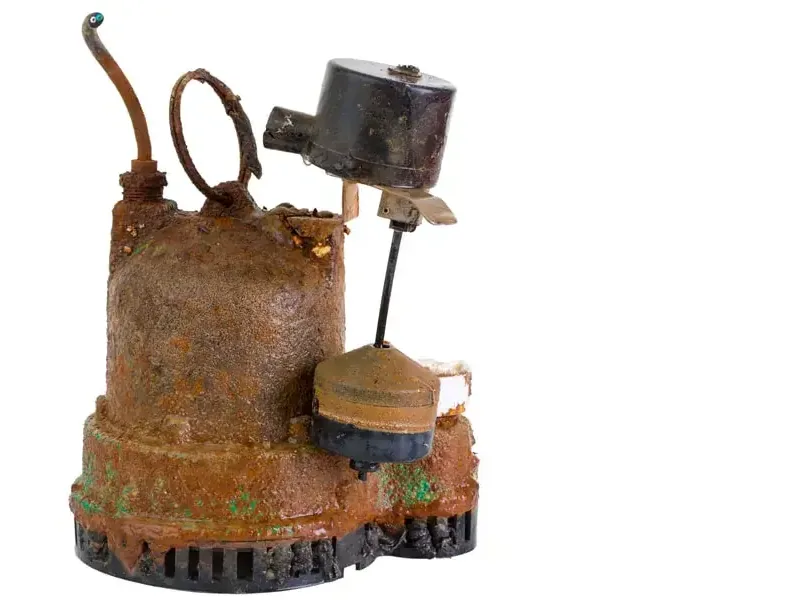
Cleanup does not end with dry floors. The crew notes whether the water came from a failed sump pump, a pipe, a storm or a sewer backup, since that decides the water type and what can be saved. A homeowner who knows the cause can also fix the drainage before the next heavy rain, which prevents a repeat loss in the same corner of the house.