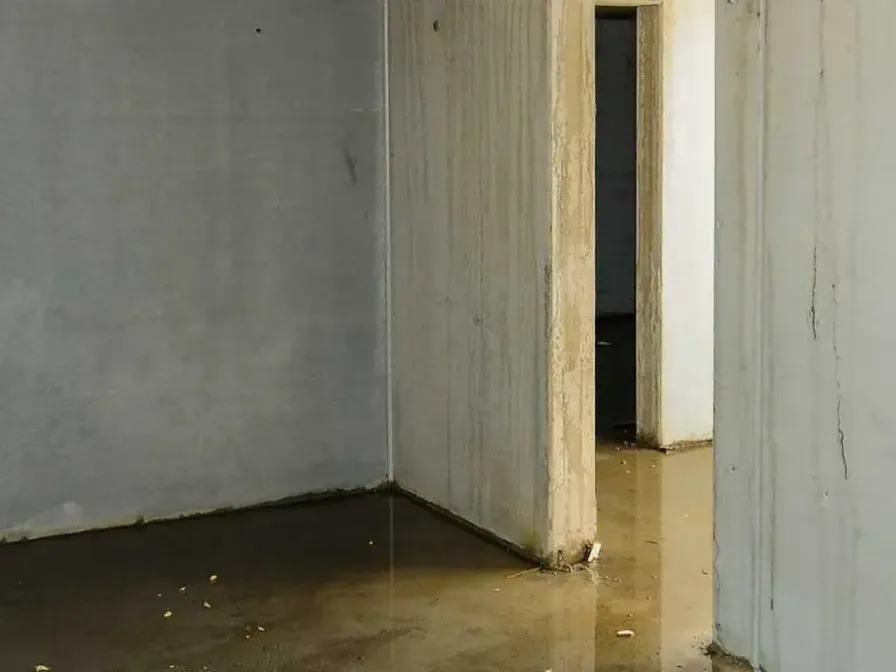
Basements are one possible freeze exposure identified in regional guidance, but they are not universal in Niwot. When a lower level does take on water, the response begins with what is actually present: finished or bare surfaces, active plumbing, a drain source, stored contents and any electrical equipment near the wet area.
Classify the source before moving through the water
Clean water from a recent pipe break is handled differently from outside entry or sewage. Nobody should enter standing water near electrical systems until power is safely controlled. Once conditions allow access, the crew measures depth, marks the wet boundary and removes water with equipment suited to the route into the lower level. Deep or broad pooling may require controlled stages.
- Confirm the active source has stopped
- Identify contamination before removal
- Keep contents grouped for documentation
- Record the highest visible water edge
Finished layers change the removal scope
Bare concrete can appear simple but still retain moisture. A finished basement adds pad, flooring, drywall, insulation and built ins that may trap water between layers. The crew tests these components separately and removes only unsalvageable or contaminated material. Around Johnson Farm or Meadowdale, the plan remains property specific and does not presume a shared foundation design.
- Test concrete beyond the visible edge
- Separate pad from finish decisions
- Open wall bottoms only as needed
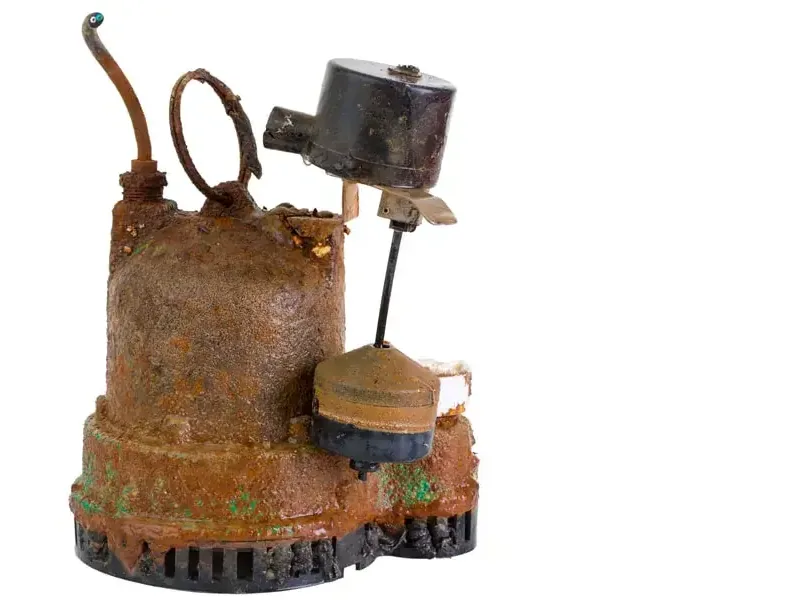
Drying must reach the slow materials
After extraction, dehumidifiers lower the moisture load in the air while directed movement helps damp assemblies release retained water. Readings are compared over successive visits, with extra attention to concrete, sill areas and enclosed framing. Photographs and disposal notes preserve the sequence for the property record. Sump pump cleanup applies when a present system has overflowed.