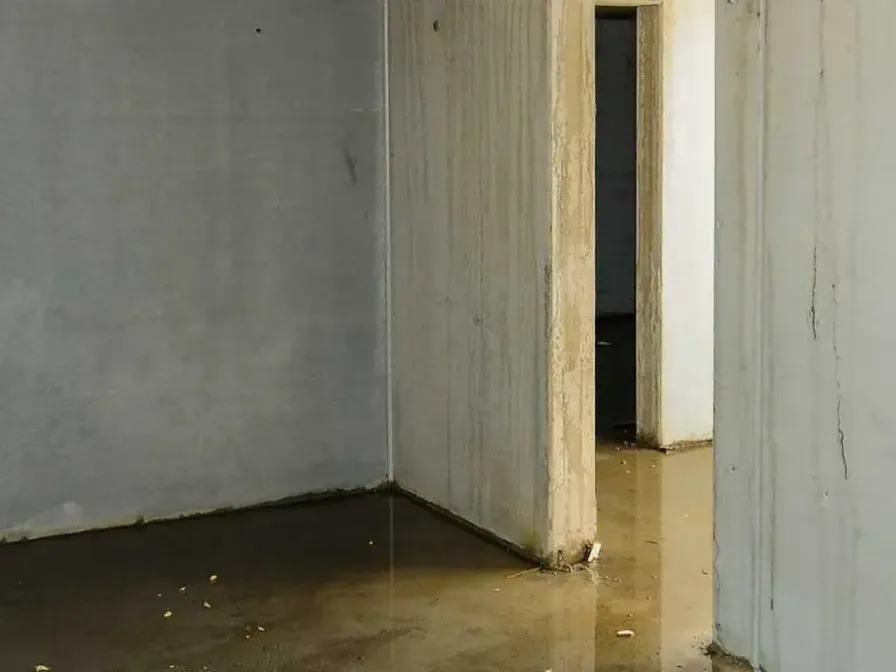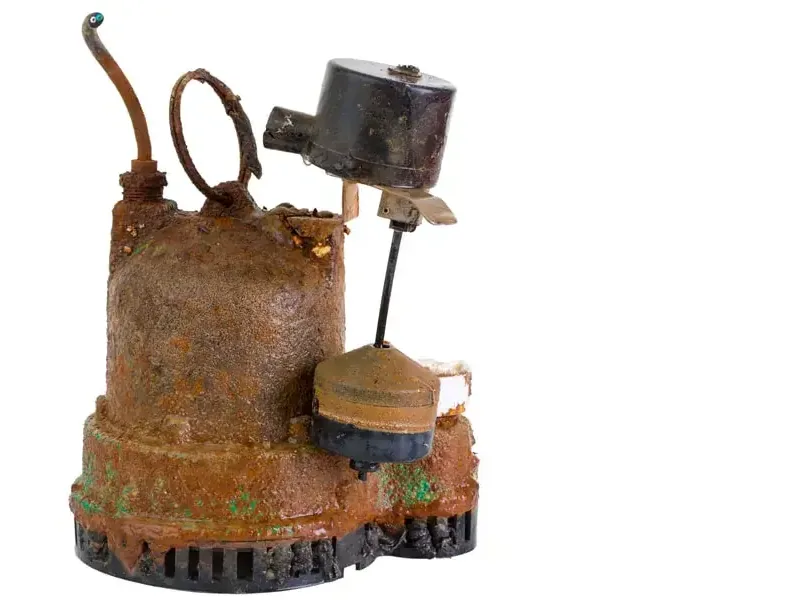
At a Boulder property with a sump system, the first inspection checks the basin, discharge and nearby water entry points. The crew records the installed equipment and operating condition before planning removal. Cleanup decisions then follow contamination and the materials exposed across the lower level.
Separate equipment failure from continuing inflow
A pump may stop because of power, a blocked discharge, a switch problem, or capacity conditions, but water can also enter elsewhere. The crew observes the basin, nearby walls, floor joints, and storm conditions before assigning the source. Continuing inflow must be managed before extraction can hold.
- Confirm that a sump system actually serves the space
- Check whether water returns after an extraction pass
- Keep electrical access clear of standing water
The water category controls material choices
Groundwater and storm entry are evaluated differently from a clean indoor release. Porous flooring, pad, drywall, and stored items may require removal or separate handling when contamination is possible. Hard surfaces are cleaned according to their exposure before structural drying proceeds.
- Identify the likely entry source and affected contents
- Separate disposable porous material from cleanable surfaces
- Document condition before moving stored property
Lower levels need a broad moisture map
Water spreads toward low points and can wick into wall bases around the perimeter. Extraction covers open areas, edges, and accessible cavities. Dehumidification manages moisture released by concrete and retained assemblies while repeat readings show whether one section needs more access.
- Check wall plates beyond the visible water edge
- Measure flooring layers rather than only the surface
- Continue monitoring until retained materials meet goals
Drainage conditions are documented again after removal so a returning source is not mistaken for slow structural drying.