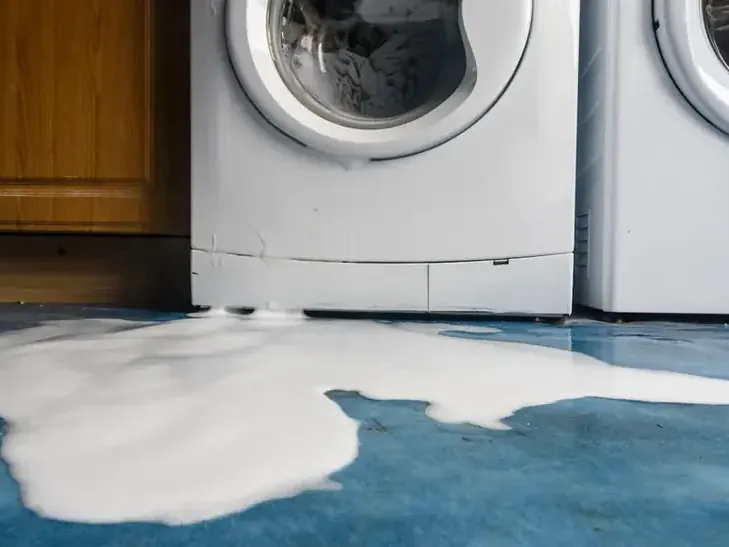
Hidden household leaks

Appliance Leak Cleanup in Firestone, CO

A small connection, valve, drain, or hose can release behind an appliance before water reaches open flooring. The response protects utilities and inspects the concealed footprint. Material changes can reveal how long that hidden route remained wet.

(888) 532-8620Trace the appliance leak
Connections isolated safely Cabinet voids checked Flooring layers monitored
Washing machine moved to reveal wet drywall and flooring behind it
Appliance and Supply Hose Leaks · Firestone, CO
SourceStop appliance use
MovementPlan safe equipment access
Concealed zonesTest cabinets and floors
DryingFollow each material trend
First steps

What to do right now about appliance and supply hose leaks

  1. 1

    Stop using the appliance

    Turn off the unit and a known safe water control, but avoid outlets, cords, or connections within standing water.

  2. 2

    Preserve the scene and route

    Photograph visible connections and water, move dry contents from safe edges, and leave working space for service access.

  3. 3

    Extract hidden pockets

    The crew removes open water and checks cabinets, walls, floor seams, thresholds, adjoining rooms, and lower ceilings.

  4. 4

    Dry stable materials

    Limited access exposes trapped areas, and equipment follows readings from cabinet products, walls, subfloor, flooring, and framing.

How the work is done

What a proper appliance and supply hose leaks job takes in Firestone

Protected appliance access

Utilities, hose tension, flooring strength, appliance weight, and the repair route are considered before the unit changes position. The appliance position is compared again after service access changes.

Concealed footprint readings

Cabinet voids, wall connections, floor seams, trim, thresholds, and lower spaces are tested around the actual appliance route.

Condition based material decisions

Swelling, delamination, contamination, access, and drying response determine whether a cabinet, floor layer, or finish can remain.

Coordinated completion

Repair corrects the appliance source while restoration readings document every retained building material around and below it.

Cost

What does appliance and supply hose leaks cost in Firestone, CO?

A leak caught early on an accessible surface stays near the first range. Water beneath cabinets or a room below, slow release, swollen products, and difficult appliance access add work. Connection access, appliance movement, and protection for nearby contents also affect labor.

Caught early

$700 to $2,000
  • Limited release around accessible unit
  • Focused extraction and connection checks
  • Small monitored drying footprint

Under cabinets or below

$2,000 to $5,000
  • Concealed cabinet or floor moisture
  • Selective access around finish layers
  • Adjoining rooms or ceilings inspected

Slow leak for weeks

$5,000 to $10,000
  • Extended swelling or delamination
  • Wider cabinet and flooring decisions
  • Detailed drying and condition records

What moves the number most:

  • The water category: clean, gray or black water
  • Square footage and how many levels got wet
  • Material class: carpet, drywall, hardwood or a concrete slab
  • How many hours passed before drying started

Ranges are typical, not a quote. The water damage cost calculator gives a closer range for your own rooms.

Response protocol

Appliance and Supply Hose Leaks, step by step

On every Firestone job, moisture gets mapped before any equipment goes down, and the equipment stays until the readings say dry.

1

Isolate the equipment

The technician confirms the appliance is out of use, source controls are safe, and repair access will not worsen connections or flooring. Utilities and hose conditions remain attached to the source notes.

2

Map from the footprint

Measurements extend through cabinets, wall materials, floor layers, thresholds, adjoining rooms, and possible lower paths. The newly exposed footprint is measured before cleanup continues.

3

Recover and expose

Water is extracted and evidence based access reaches trapped pockets without opening confirmed dry surrounding finishes. Every access point corresponds to a confirmed wet layer.

4

Track retained products

Separate material readings determine whether cabinets, subfloor, drywall, trim, and flooring respond to the drying conditions. The closeout includes cabinet backs and floor transitions.

Appliance releases often begin where no one can see them. A washer hose can spray a wall, a dishwasher can soak a cabinet base, and a refrigerator connection can drip beneath flooring. By the time water reaches the room, hidden products may have been wet longer than the surface.

Do not pull heavy equipment without a plan

Water, electricity, connected hoses, softened flooring, and appliance weight create risks around movement. The source is isolated and the service route is protected first. Photographs preserve connection and floor conditions before an appropriate technician changes the appliance position.

  • Stop the appliance without reaching through water
  • Keep cords and outlets away from wet access
  • Protect the floor along the movement route

The cabinet and floor footprint defines the loss

Readings cover toe kicks, side panels, backs, wall plates, floor seams, and transitions. A neighboring room or ceiling below is included when openings offer a route. The inspection expands from actual evidence instead of assuming that the visible puddle marks the full boundary.

  • Test both sides of a shared appliance wall
  • Check beneath accessible cabinet edges
  • Compare floor layers across the nearest threshold

Slow leaks require condition decisions as well as drying

Wood products may swell, finishes can delaminate, and adhesive can release after extended moisture. The crew records those changes, removes only material that cannot remain or blocks drying, and monitors stable cabinets, walls, subfloor, and flooring separately.

  • Distinguish lasting material change from surface dampness
  • Create limited access where trapped moisture persists
  • Verify cabinet and floor edges before reassembly
Service area

Appliance and supply hose leaks across Firestone and the towns nearby

Dispatch runs day and night, and the restoration team works every neighborhood listed on the service area page.

Firestone, CO

Appliance leak response covers Mountain Shadows, The Shores, Neighbors Point, Barefoot Lakes, and St. Vrain Ranch throughout the 80504 ZIP area. Response also includes Booth Farms and Sagebrush when concealed appliance water reaches finished building materials.

The same service nearby: appliance and supply hose leaks in Lafayette, Fort Lupton, Niwot.

Water damage restoration in Firestone · every town covered

Water still moving through a Firestone house? 24/7 dispatch: (888) 532-8620
FAQ

Appliance and Supply Hose Leaks questions, answered

Should a washer be moved immediately after a hose leak?

Not without checking utilities, hose tension, appliance weight, and floor condition. Unplanned movement can worsen a connection failure or damage softened flooring.

How is water found beneath a dishwasher?

Readings at the toe kick, cabinet base, sink cabinet, floor seams, shared walls, and room below can define the route before limited access confirms it.

Can a refrigerator connection create hidden damage?

Yes. A small drip can continue beneath or behind the unit, reaching wall and floor materials before enough water appears in the room.

What happens to swollen cabinet parts?

Material construction, structural function, finish, condition, contamination, and access determine whether a component can remain. Some swelling does not reverse after drying.

Does appliance service include structural drying?

Appliance work corrects the unit or connection. Restoration separately extracts escaped water, evaluates building materials, creates access, and verifies drying.

Why check a ceiling below an appliance?

Floor penetrations and framing paths can carry water downward without an open drip. Direct measurements identify whether the lower ceiling and walls are involved.

What photographs are useful before work begins?

Images of the appliance, connection area, visible water, flooring, cabinets, affected rooms, and lower signs preserve context before movement changes conditions.

Why are cabinets checked after the appliance is moved?

The unit can block toe spaces, side panels, wall connections, and flooring beneath its footprint. New access may reveal trapped moisture or lasting material change that was not measurable from the open room.

Water still coming in?

The hidden footprint matters more than the size of the first puddle.

(888) 532-8620Discuss the appliance and room
24/7 emergency dispatch

Find water beneath every connected finish

Safe access, cabinet checks, floor measurements, selective openings, and monitored drying restore the building around the failed unit.

(888) 532-8620Call about appliance leakage
Lafayette Water Damage Restoration Firestone, CO (888) 532-8620 Open 24 / 7 / 365
(888) 532-862024/7 dispatch