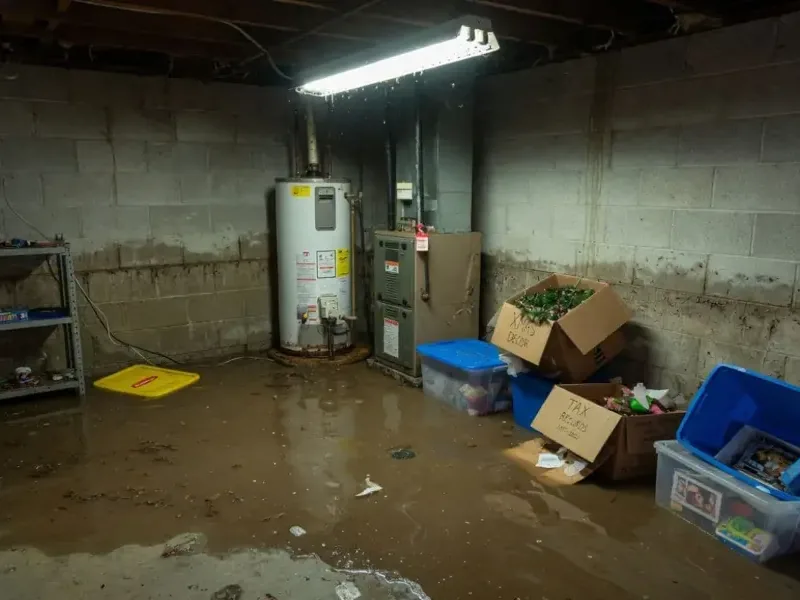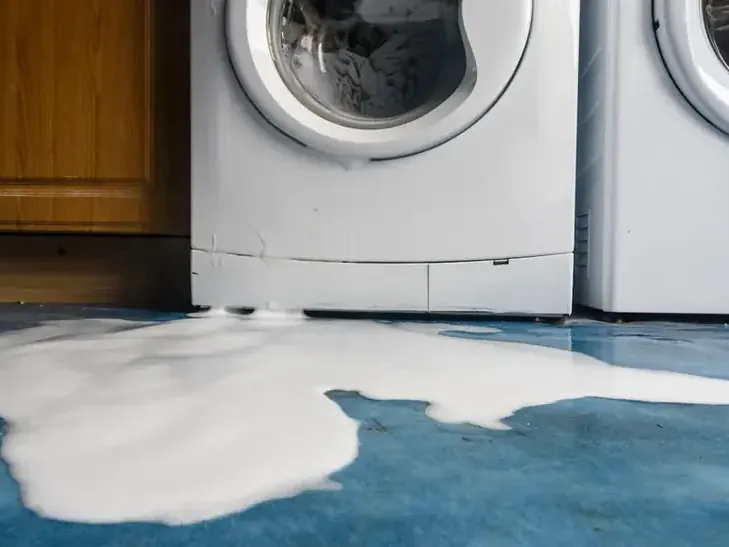
An appliance release may be sudden, or it may remain concealed at the back of a cabinet or beneath a machine. Niwot properties are not assigned one construction type, so the crew works from the actual floor, cabinet and wall assembly. A small visible puddle can still justify readings beyond the appliance footprint.
Control the source and preserve the initial evidence
An accessible supply valve or appliance control can stop more water, provided the area is safe to approach. A plumbing or appliance professional handles repairs. Before the machine moves, photographs capture its position, the visible water and affected finishes. The crew checks whether the release crossed a threshold or followed the wall into a neighboring space.
- Use only dry accessible controls
- Record the appliance footprint
- Inspect the room on the opposite wall
- Keep wet electrical equipment untouched
Cabinets and floor seams can conceal spread
Dishwasher water may travel beneath a cabinet run, while a washer release can enter baseboard, flooring joints or the room below. Toe kicks and trim sometimes block useful inspection points. Near Johnson Farm or Cottonwood Park West, the plan still depends on the actual materials rather than the street or neighborhood label.
- Check cabinet bases and toe kicks
- Follow seams across the wet boundary
- Compare subfloor readings nearby
Drying follows the material response
Extraction removes open water and specialized access may help a trapped layer release moisture. If a finish does not respond or has deteriorated, selective removal can expose the subfloor. Air movers and dehumidifiers are repositioned as readings change, and final measurements support later cabinet or flooring repair. Water extraction details cover the surface removal stage.