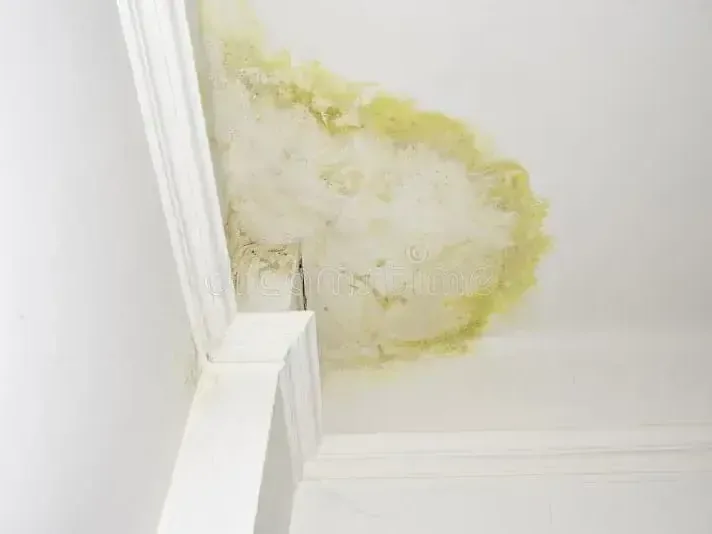
Weather entry cleanup

Roof Leak Cleanup in Firestone, CO

Colorado hail is documented as a roof concern, and wind driven precipitation can enter through newly exposed points. Interior restoration begins after weather control. The attic path can extend beyond the visible room stain.

(888) 532-8620Trace the weather entry
Exterior source made weather tight Attic path measured Interior cavities dried
Wet attic insulation exposed above an opened ceiling section
Roof Leak Water Damage · Firestone, CO
Weather clueConnect stains to conditions
Roof controlStop additional entry
Attic routeInspect insulation and framing
InteriorDry ceilings and walls
First steps

What to do right now about roof leak water damage

  1. 1

    Clear the room safely

    Keep people away from sagging finishes and wet fixtures, then move or cover contents only from stable dry access.

  2. 2

    Make the roof weather tight

    Arrange appropriate roof assessment and temporary or permanent protection so new precipitation does not repeat the interior route.

  3. 3

    Expose affected materials

    The crew contains debris, removes unsafe ceiling or wet insulation as needed, and maps framing, wall tops, and floors below.

  4. 4

    Dry before closing

    Retained attic and room materials receive targeted equipment and repeat readings before interior repairs begin.

How the work is done

What a proper roof leak water damage job takes in Firestone

Indoor hazard control

Ceiling stability, electricity, contents, falling insulation, and the debris route are addressed before access begins beneath the leak. The ceiling boundary is retested after loose material is contained.

Attic material mapping

Decking, framing, insulation, wall tops, and ceiling surfaces are tested separately to reveal water travel beyond the visible stain.

Coordinated source protection

Roof work controls new weather entry while restoration preserves access and proceeds with extraction, removal, and interior moisture management.

Repair ready verification

Final measurements show the condition of retained attic and room materials before insulation, drywall, or finish work conceals them.

Cost

What does roof leak water damage cost in Firestone, CO?

One limited ceiling route usually fits the first range. Water crossing attic areas or several rooms, broad insulation removal, difficult access, and extensive storm damage increase the interior scope. Room protection, attic access, and contents movement can also influence the interior restoration cost.

One ceiling

$800 to $2,500
  • Contained stain and attic route
  • Focused insulation and ceiling access
  • Small structural drying zone

Several rooms

$2,500 to $6,000
  • Water crossed attic or framing areas
  • Multiple ceiling sections inspected
  • Expanded protection and monitoring

Large storm leak

$6,000 to $12,000
  • Broad roof and attic exposure
  • Substantial insulation and debris handling
  • Several interior drying zones

What moves the number most:

  • The water category: clean, gray or black water
  • Square footage and how many levels got wet
  • Material class: carpet, drywall, hardwood or a concrete slab
  • How many hours passed before drying started

Ranges are typical, not a quote. The water damage cost calculator gives a closer range for your own rooms.

Response protocol

Roof Leak Water Damage, step by step

On every Firestone job, moisture gets mapped before any equipment goes down, and the equipment stays until the readings say dry.

1

Connect the clues

The technician compares weather timing, indoor stains, attic conditions, roof information, and material readings to establish the route. Weather and stain timing remain part of the source record.

2

Protect occupied space

A contained floor and contents zone receives wet insulation, damaged drywall, and controlled drainage without spreading debris. Debris control stays active until the ceiling edge is sound.

3

Restore the assembly

Access exposes retained framing and wall tops for cleaning, airflow, dehumidification, and separate moisture monitoring. Each newly exposed member receives its own reading.

4

Hand off for repair

The closeout record identifies source protection, removed materials, final readings, and every cavity ready for replacement finishes. The handoff identifies all surfaces ready for repair.

Hail related damage may not become an indoor loss until precipitation finds the opening. Water then follows decking, framing, fasteners, and insulation before reaching a visible ceiling stain. The indoor mark can sit away from the roof source and understate the affected attic area.

Protect the room beneath the stain

Sagging ceiling material, dripping fixtures, and wet electrical components require distance and a controlled work zone. Contents are moved only from safe approaches. Floor protection and debris containment are arranged before any ceiling opening releases water or insulation into the room.

  • Keep occupants away from bowed ceiling finishes
  • Do not touch wet lights or vents
  • Mark stains that change with the weather

Read the attic as a series of materials

Decking, framing, insulation, wall tops, and ceiling drywall absorb and move water differently. The crew checks each accessible surface rather than drawing one boundary around the stain. Wet insulation may need removal to reveal framing and create an effective evaporation surface.

  • Compare insulation condition across the route
  • Follow marks along framing connections
  • Measure ceiling and wall edges below

Finish drying after the roof is controlled

Temporary or permanent roof work prevents new entry but does not dry the building. Damaged finishes are removed where condition or access requires it. Retained framing and edges receive targeted air and dehumidification until readings show that the concealed route has recovered.

  • Document the route before removal changes it
  • Monitor attic and room materials separately
  • Verify every cavity before finish repair

A final attic boundary check follows insulation removal because the newly visible framing can confirm a narrower or wider route than surface staining suggested.
Service area

Roof leak water damage across Firestone and the towns nearby

Dispatch runs day and night, and the restoration team works every neighborhood listed on the service area page.

Firestone, CO

Roof leak service reaches Barefoot Lakes, Mountain Shadows, Booth Farms, Neighbors Point, and The Shores throughout the 80504 ZIP area after actual entry conditions are assessed. Response also reaches Cordovan and Sagebrush when weather entry leaves measurable interior damage.

The same service nearby: roof leak water damage in Lafayette, Fort Lupton, Niwot.

Water damage restoration in Firestone · every town covered

Water still moving through a Firestone house? 24/7 dispatch: (888) 532-8620
FAQ

Roof Leak Water Damage questions, answered

Does the ceiling stain show the roof entry point?

Not reliably. Water can travel along decking, framing, fasteners, and insulation. Roof assessment and attic readings connect the outside opening with the indoor destination.

Should someone puncture a sagging ceiling?

No. Wet drywall and insulation can fall, and electrical components may be involved. Keep clear and let trained personnel plan protection and controlled access.

Does roof repair finish the water restoration?

No. Weather protection stops new entry. Interior materials may still need extraction, insulation removal, ceiling access, cleaning, dehumidification, and final moisture verification.

What happens to wet attic insulation?

Type, saturation, contamination, condition, and drying access determine whether it can remain. Material that holds moisture against framing may need controlled removal.

Can a small stain represent a larger wet area?

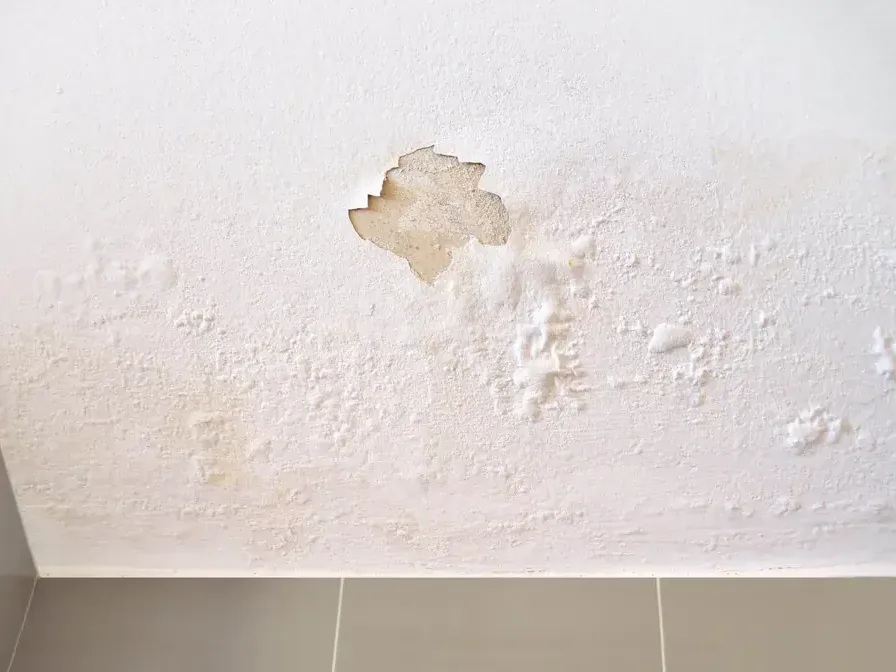
Yes. Insulation and framing can redirect water before it reaches drywall. Direct readings across the attic route and room edges reveal the actual boundary.

Why are the walls and floor checked?

Water can descend from ceiling bays into wall cavities or drip onto flooring and contents. Those separate materials require their own condition and moisture decisions.

When can the ceiling be repaired?

Repair follows source control, safe removal, and verified drying of framing, wall tops, ceiling edges, and any other retained material inside the opened route.

Why can wet insulation extend past the ceiling stain?

Insulation can spread or hold water while framing redirects the route. The drywall mark appears where water finally reaches the room, so attic inspection and direct measurements are needed beyond the visible ceiling edge.

Water still coming in?

The indoor stain is the end of a weather route that may cross several attic materials.

(888) 532-8620Explain the weather and room clues
24/7 emergency dispatch

Restore the entire roof leak path

Source protection, controlled ceiling access, insulation decisions, and measured drying prepare the interior for sound repairs.

(888) 532-8620Call about roof entry
Lafayette Water Damage Restoration Firestone, CO (888) 532-8620 Open 24 / 7 / 365
(888) 532-862024/7 dispatch