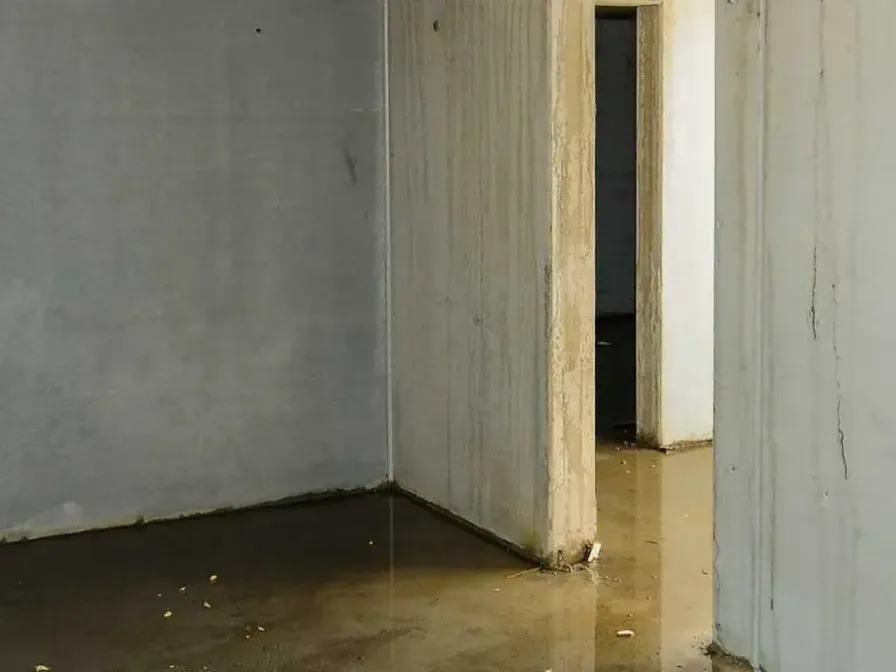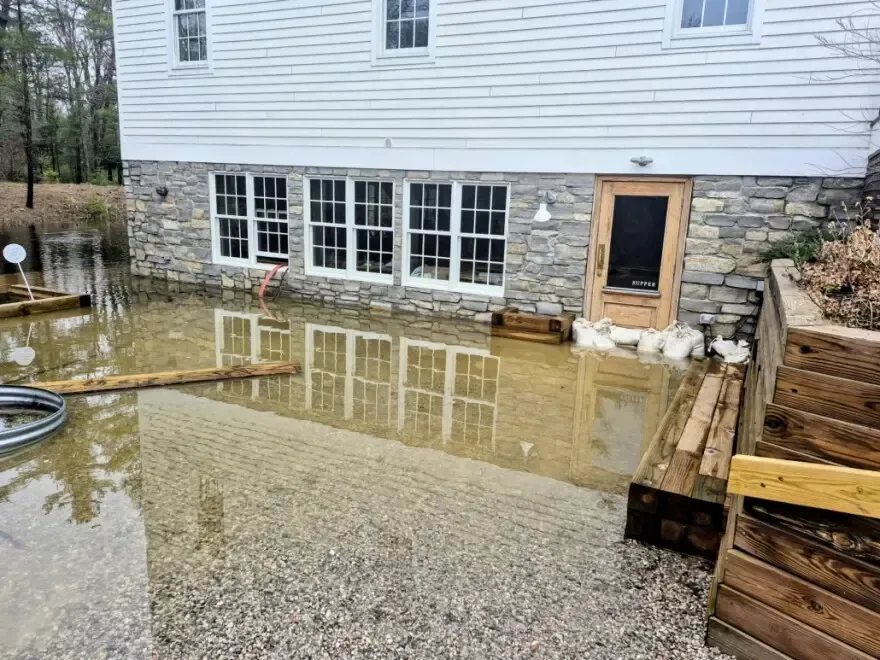
Stormwater is different from water released by a recent indoor supply failure. It can contact soil, debris, and other contaminants before crossing a threshold or collecting in a lower area. In Central Fort Lupton, the safest response begins with entry conditions, electrical hazards, and the source route. Water removal proceeds only after the affected space and suitable work boundaries are understood.
Flood classification shapes the cleanup
The city participates in the National Flood Insurance Program under community number 080183 and has no Community Rating System class. Those facts provide community context, but they neither classify a specific indoor loss nor decide policy coverage. Around the South Platte Valley, technicians judge water by the actual route, exposure, and materials contacted. The contaminated footprint stays separated from dry rooms during extraction and debris movement.
Outdoor water can penetrate layered finishes
Bulk water and loose debris are removed first. Flooring, wall bases, insulation, cavities, and contents are then evaluated for contamination and damage. Porous finishes that cannot be effectively cleaned may require controlled removal. Sound structural surfaces can be cleaned and prepared for drying. Moisture readings extend above and beside the former water edge because finishes can draw water into areas that never sat beneath the pool.
Documentation distinguishes damage from drying
After removal and cleaning, air movement and dehumidification address remaining structural moisture. Technicians track representative materials and compare results with dry reference areas. Entry photographs, affected room notes, disposal decisions, cleaning records, and final values create a useful history. Near Adobe Creek, South Platte Valley Historical Park, or elsewhere locally, storm cleanup should end with sanitary retained surfaces and evidence that wet assemblies are ready for repair.