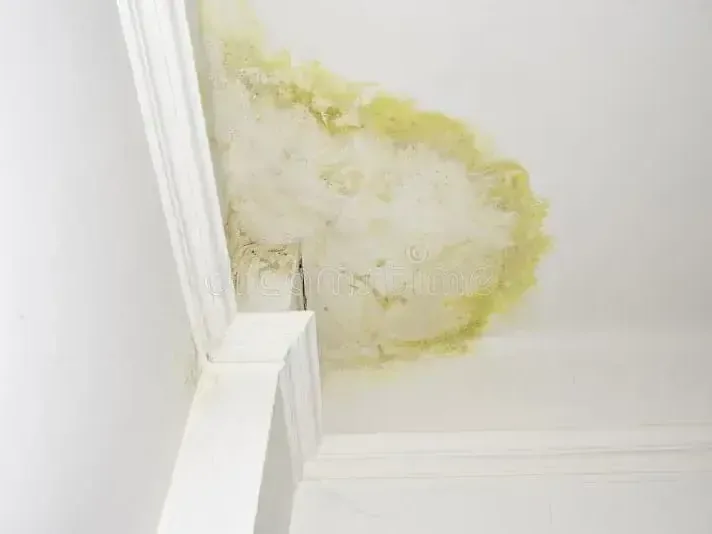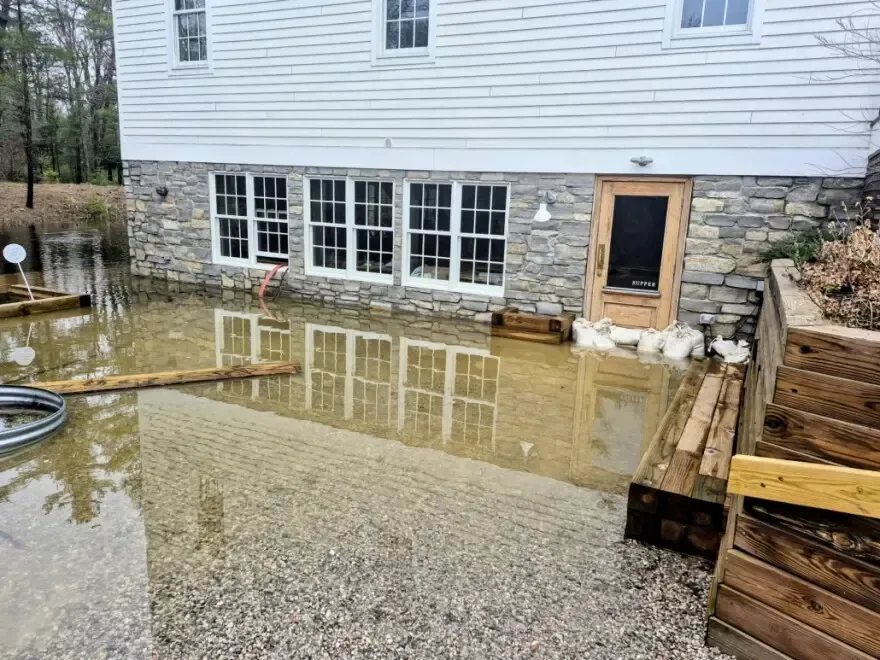
Storm cleanup in Niwot starts at the opening where outside water entered. The crew records the indoor path, checks for debris and maps the wet materials before extraction. Wind driven precipitation or runoff can reach adjoining rooms through floor edges and wall openings, so the inspection extends beyond the first puddle.
Treat outside water as contaminated
Water that travels over exterior surfaces may carry soil, organic debris and other contaminants. Occupants should avoid contact, especially where electrical systems are wet. Once conditions are safe, extraction starts at accessible low areas and debris is controlled within the work zone. The crew photographs the entry path before disturbed finishes or contents are moved.
- Keep occupants outside the wet zone
- Control electrical exposure before entry
- Separate debris from salvageable contents
- Mark the visible high water edge
Material decisions depend on direct contact
Carpet, pad and absorbent wall products may require removal after outside water exposure. Stable hard surfaces can often be cleaned and disinfected before drying. In an Old Town Niwot commercial property, work can be divided around safe access; near Dry Creek or Meadowdale, equipment follows a clear route between the wet rooms and a safe unloading area.
- Remove unsafe absorbent layers
- Clean sediment from stable surfaces
- Open cavities at the affected boundary
Resolve the opening before finish repairs
Restoration can dry the interior while a roofer, drainage professional or other trade addresses the entry defect. Air movement and dehumidification begin after contaminated materials are handled and clean surfaces are ready. Repeated measurements check framing, subfloor and wall edges. Roof leak restoration applies when precipitation enters through the roof assembly.