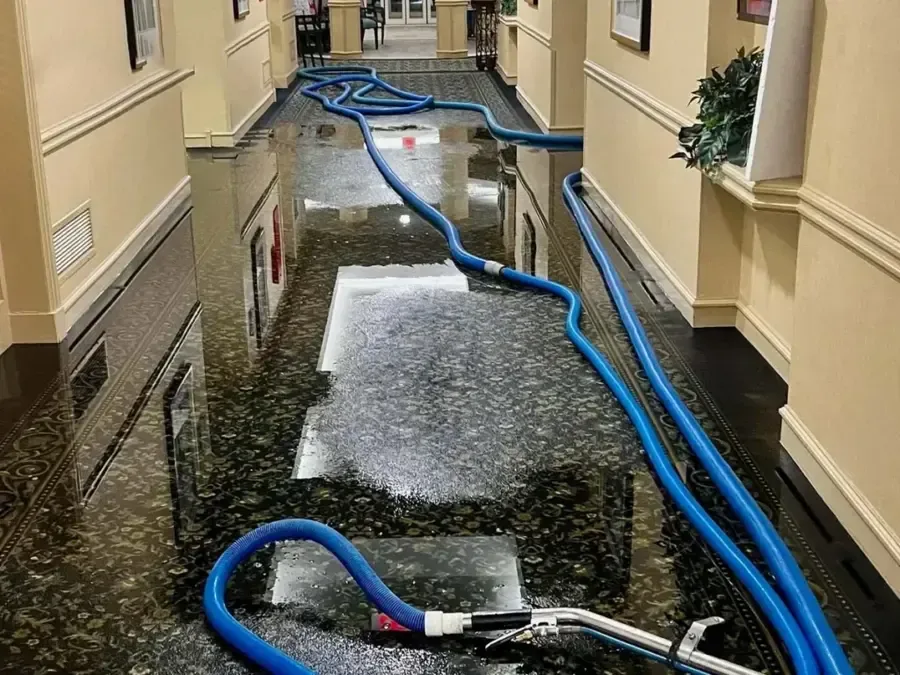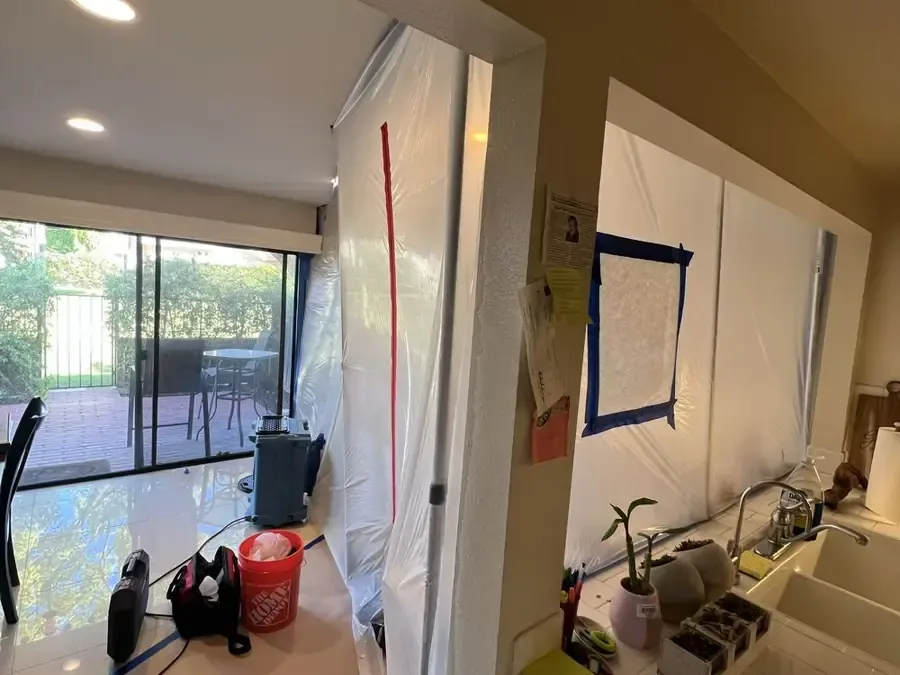
Structural drying begins after active water and unsalvageable materials are addressed. Its purpose is to remove moisture that remains inside recoverable assemblies, not merely to make the room feel comfortable. In Central Fort Lupton, technicians compare affected wood, wall material, flooring, or other surfaces with suitable dry references from the same property. That comparison creates practical goals for the specific building.
Airflow and dehumidification perform different jobs
Air movement encourages moisture to leave accessible material surfaces. Dehumidification collects that released water from the surrounding air. Equipment must work as a system around the actual wet load. Properties across the South Platte Valley include homes and commercial buildings with varied assemblies, so placement is based on room shape, material exposure, and readings rather than a fixed equipment pattern.
Access can matter as much as equipment
Wet insulation, impermeable finishes, tightly layered floors, or closed cavities can block evaporation. Selective openings may improve access when measurements show moisture trapped behind a finish. Materials that lost integrity or received contamination need separate removal decisions before drying proceeds. Stable, sanitary assemblies can remain when airflow reaches them and readings show a dependable downward pattern.
Verification turns drying into documented restoration
Technicians record representative points over the course of the project, watching for areas that stall or respond unevenly. Equipment moves as the wet footprint changes. Near Fort Lupton City Museum, Adobe Creek, or South Platte Valley Historical Park, the same completion principle applies: affected materials should meet goals established from appropriate references. Final readings and work notes provide a basis for repair teams, owners, and claim claim evaluators to understand the result.