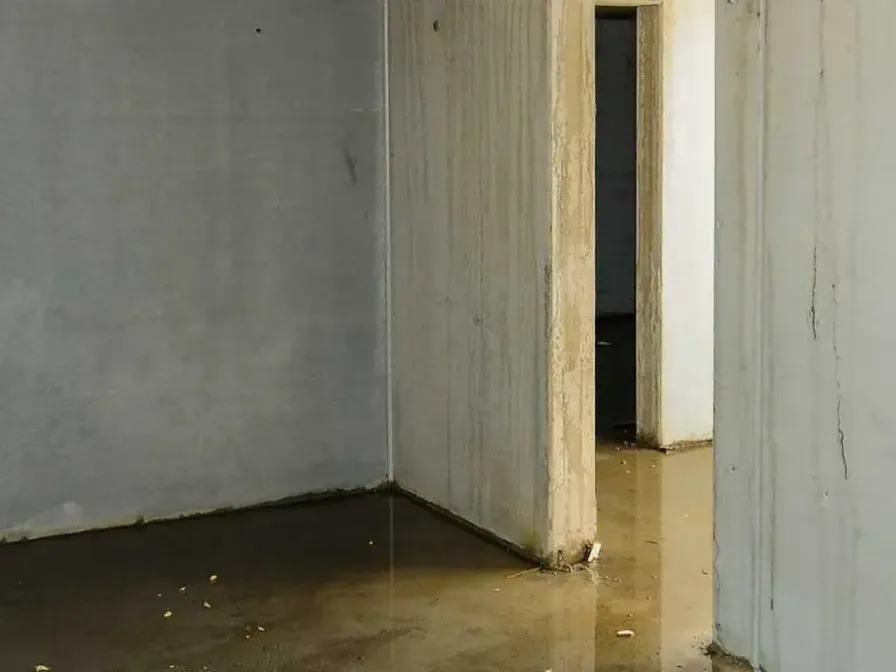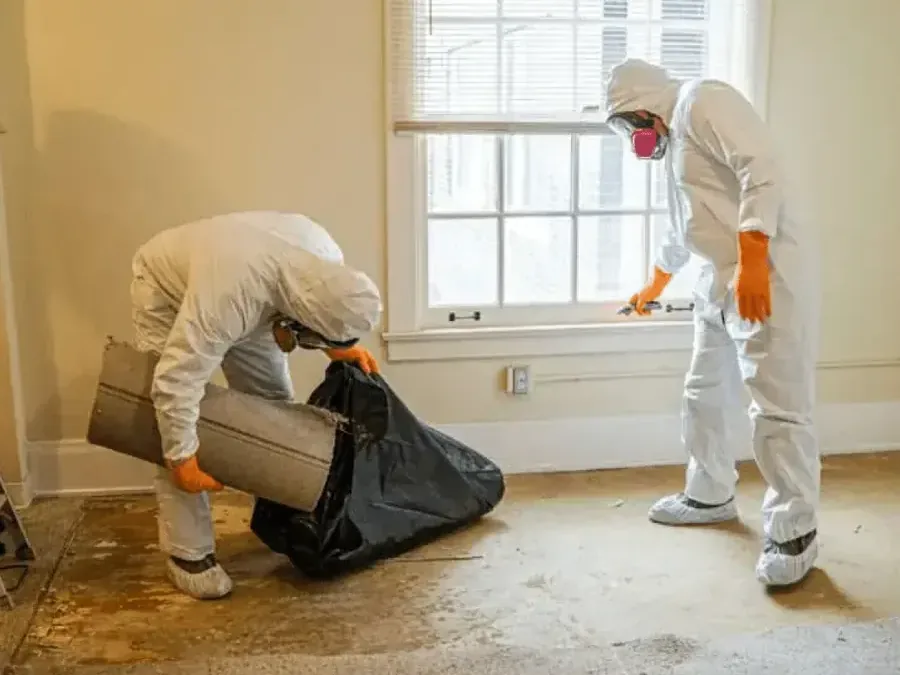
Sewage water should not be crossed or handled as an ordinary spill. In local homes or businesses, occupants should stay outside the affected area and avoid fans that could spread contamination. Technicians arrive with protective procedures designed for controlled removal rather than casual surface cleaning.
Containment protects the rest of the building
Access is limited and clean routes are separated from the work zone. The source must be stopped by the appropriate plumbing or utility party before stable cleanup can proceed. Extraction removes liquid and solids without carrying residue into dry rooms. Photographs and notes capture the original conditions before affected materials leave.
- Close the room to unnecessary traffic
- Confirm the backup has stopped
- Protect movement through unaffected spaces
- Extract liquid and visible residue
Porous and durable materials separate here
Carpet, pad, absorbent drywall and insulation exposed to sewage commonly require removal because contamination penetrates them. Durable surfaces may be cleaned under the work protocol after gross contamination is gone. At Clear Creek, Colorado School of Mines and Lookout Mountain properties, the same category controls apply regardless of building use.
- Document absorbent materials for disposal
- Expose affected framing for cleaning
- Keep clean tools outside containment
Drying starts after the cleaned condition
Air movement should not distribute contaminants before removal and cleaning. Once retained structure is ready, dehumidification and controlled airflow address moisture in wood, concrete and other durable materials. Technicians record readings through the drying phase, providing a clear handoff for repairs and a documented history for the insurance file.