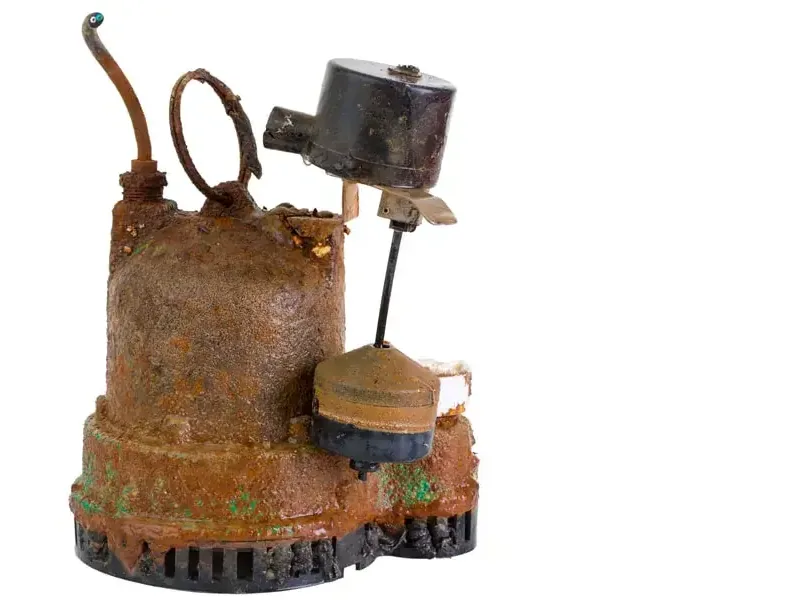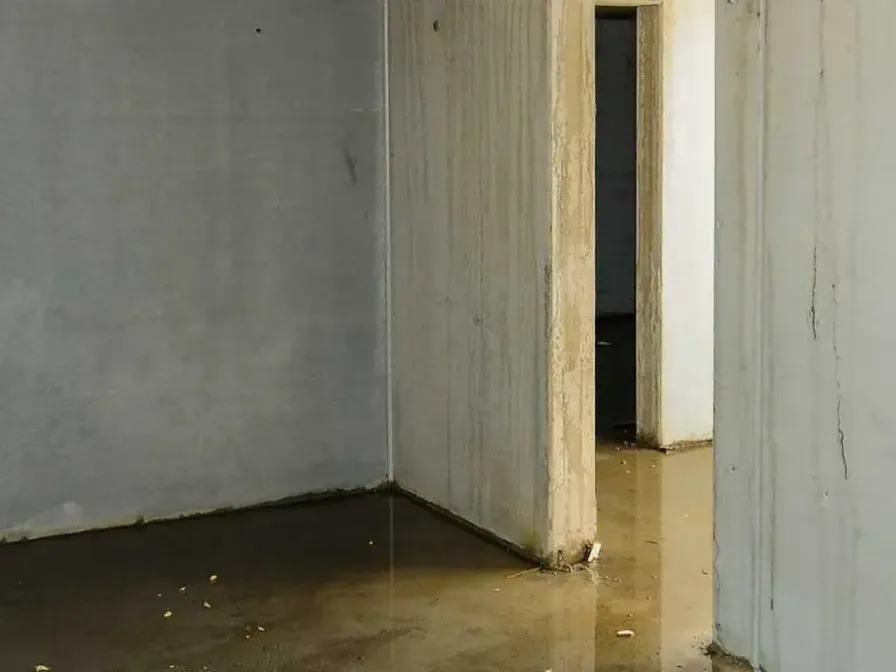
Not every property here has a basement, and no single local foundation type can be assumed. Where a lower level does take on water, Clear Creek, mapped runoff collection areas, a drain backup or indoor plumbing may each produce different conditions. The actual source determines protective measures and material decisions.
Pump out follows a safety and category check
Technicians check electrical concerns, water depth and likely contamination before entering. Extraction equipment removes accessible water in a controlled sequence. Contents are separated by condition, and unaffected routes stay protected. Water that entered across soil or pavement is handled differently from a recent clean supply release because porous materials may not be restorable. Initial photographs record the starting conditions.
- Identify the entry route and category
- Control access around electrical hazards
- Extract water in planned stages
- Separate contents by material condition
Finished materials change the cleanup scope
Carpet, pad, drywall, insulation and built ins add layers that can trap water against framing or concrete. An unfinished space may need less removal but still requires slab and wall readings. Around Lookout Mountain, East Old Golden Road and Colorado School of Mines, inspection follows the specific property rather than a neighborhood assumption.
- Lift wet floor coverings where necessary
- Inspect base plates and insulation
- Preserve dry finishes outside the boundary
Concrete and framing need separate dry goals
A slab can appear dry while continuing to release vapor, and wood framing responds differently from concrete. Dehumidification and directed airflow are balanced around both materials. Technicians record readings through the drying period, then compare results with unaffected references before equipment leaves and lower level repairs begin.