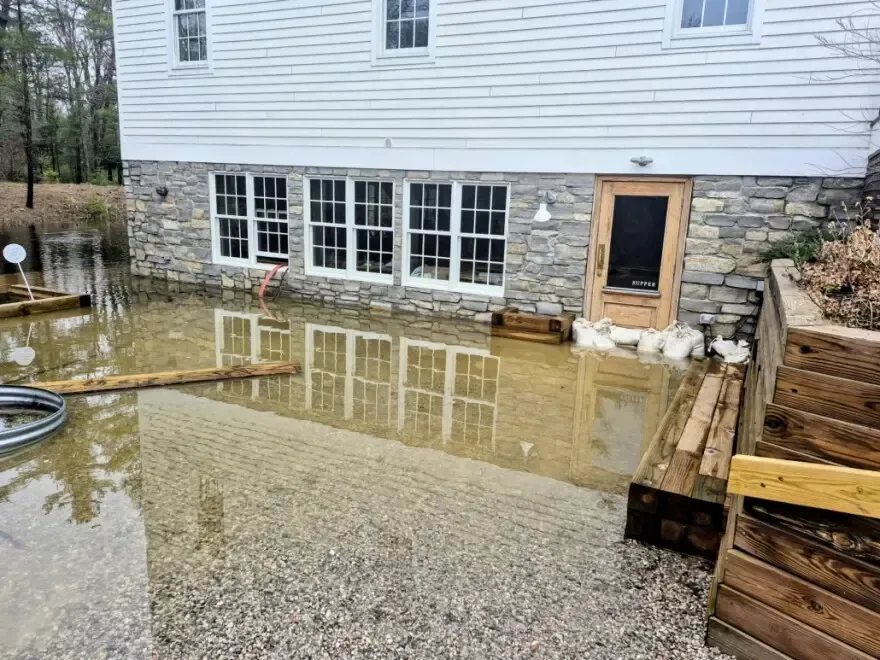
Outside water restoration

Storm Flood Cleanup in Boulder, CO

Boulder Creek and mapped floodplains make water source and category central after stormwater enters. Cleanup begins with site safety, changing conditions, and the route indoors. Conditions may change before extraction begins.

(888) 532-8620Assess the stormwater entry
Outside water classified Flooded materials sorted Drying follows safe removal
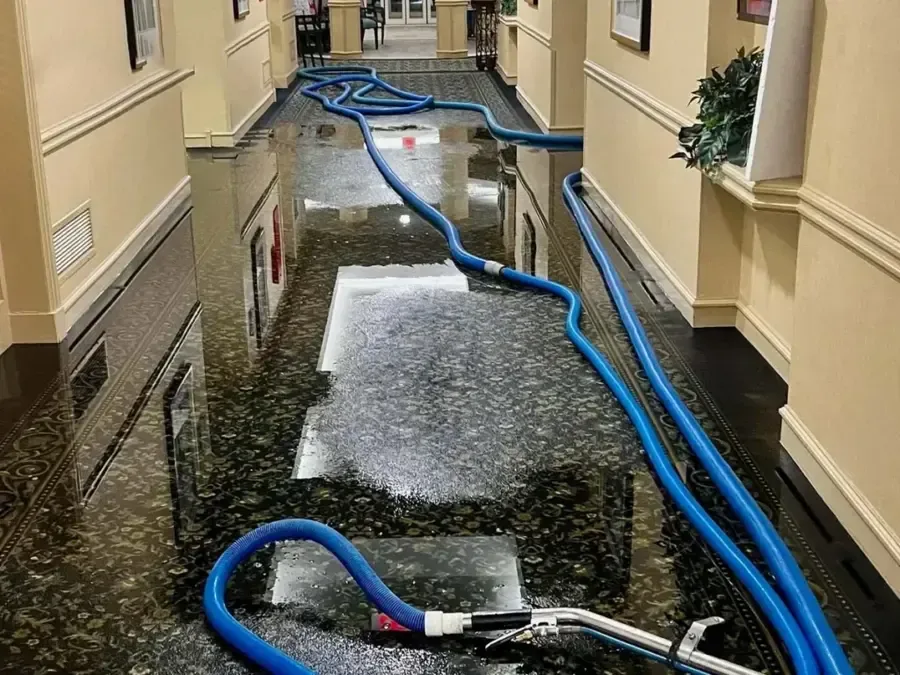
Flood cleanup equipment staged beside a wet lower room
Storm Water and Flash Flood Cleanup · Boulder, CO
ConditionsWait for safe access
BoundaryMap every entry point
MaterialsSeparate porous exposure
StructureDry after cleaning
First steps

What to do right now about storm water and flash flood cleanup

  1. 1

    Wait for safe entry

    Do not enter moving water, wet electrical areas, or rooms with unstable ceilings and floors during active storm conditions.

  2. 2

    Record the boundary

    Photograph entry points and high water marks when safe, note affected rooms, and keep exposed contents away from clean areas.

  3. 3

    Extract and remove

    The crew recovers open water, removes sediment and unsafe porous material, and cleans durable surfaces within a controlled work route.

  4. 4

    Dry the retained structure

    Moisture readings direct air movement and dehumidification after the area is prepared, with progress tracked to documented goals.

How the work is done

What a proper storm water and flash flood cleanup job takes in Boulder

Changing condition assessment

The response considers active runoff, exterior levels, electrical safety, structural access, and whether new water can still reach the building. New entry points are checked while the weather changes.

Outside water assessment

Source, sediment, odor, exposure, and affected materials direct contamination precautions and the choice between cleaning, removal, and disposal.

Room by room recovery

Extraction proceeds through open areas, edges, low points, contents zones, and cavities in a sequence that preserves clean access.

Measured structural drying

After cleaning, equipment targets retained floors, framing, concrete, and wall systems while monitoring supports each adjustment and final decision.

Cost

What does storm water and flash flood cleanup cost in Boulder, CO?

A single entry point with limited finished exposure is near the first range. Finished basements, deep water, sediment, several rooms, broad porous damage, and difficult contents handling increase the scope. Work route protection and debris volume also shape the final scope.

One entry point

$2,000 to $6,000
  • Limited stormwater route indoors
  • Focused extraction and material assessment
  • Cleaned area receives measured drying

Finished basement

$6,000 to $15,000
  • Flooring and wall systems exposed
  • Contents and porous layers handled
  • Several structural zones monitored

Deep flooding

$15,000 to $35,000
  • Extensive water and sediment removal
  • Major material and contents decisions
  • Large cleaning and drying operation

What moves the number most:

  • The water category: clean, gray or black water
  • Square footage and how many levels got wet
  • Material class: carpet, drywall, hardwood or a concrete slab
  • How many hours passed before drying started

Ranges are typical, not a quote. The water damage cost calculator gives a closer range for your own rooms.

Response protocol

Storm Water and Flash Flood Cleanup, step by step

On every Boulder job, moisture gets mapped before any equipment goes down, and the equipment stays until the readings say dry.

1

Evaluate

The crew checks changing storm conditions, source, access, electrical hazards, and the full indoor water boundary. The initial map distinguishes active from past entry.

2

Control the work zone

Clean routes, contents areas, contaminated material, and extraction equipment are organized to avoid spreading outside water residue. Affected contents remain inside a planned handling zone.

3

Clean and prepare

Open water and sediment are removed, porous losses are separated, and durable surfaces are cleaned before drying begins. Each durable surface is checked after residue removal.

4

Measure recovery

Retained structural materials are monitored under dehumidification and airflow until readings support the completion decision. Final records connect drying results to the cleaned materials.

Storm flooding is shaped by conditions outside the building as much as the water already indoors. The city maintains floodplain maps, and The central creek carries mountain snowmelt east toward St. Vrain Creek. A cleanup plan must account for continuing entry, contamination, sediment, and safe access.

The site must stabilize before interior work expands

Runoff can change while a storm continues, and an exterior water level may affect whether pumping is appropriate. The crew identifies entry points, electrical concerns, unstable finishes, and any route that could bring more water inside. The September 2013 flooding showed how quickly torrential rain can disrupt the community.

  • Avoid rooms with uncertain electrical conditions
  • Watch for changing water levels and new seepage
  • Document exterior and interior entry paths

Outside water affects what can be retained

Floodwater may carry soil and other contamination across floor coverings, drywall, insulation, and stored goods. Porous materials are evaluated firmly, while durable surfaces require sediment removal and detailed cleaning. Contents are separated by exposure so clean property does not pass through the affected zone.

  • Sort contents before moving them into clean rooms
  • Remove exposed porous layers that cannot be restored
  • Clean hard surfaces at edges and penetrations

Drying starts after removal and cleaning

Extraction lowers the open water, but wall plates, framing, concrete, and floor assemblies can remain wet. Once affected materials are handled and retained surfaces are cleaned, air movement and dehumidification target the moisture map. Repeated readings show where additional access is justified.

  • Establish readings across all flooded rooms
  • Monitor dense materials and wall bases separately
  • Record dry goals and completion measurements
Service area

Storm water and flash flood cleanup across Boulder and the towns nearby

Dispatch runs day and night, and the restoration team works every neighborhood listed on the service area page.

Boulder, CO

Storm cleanup reaches Chautauqua, University Hill, Downtown Boulder, East Boulder, and areas near Boulder Creek, South Boulder Creek, and ZIP areas 80302, 80303, and 80305. Response also covers Gunbarrel when outside water enters a lower room or connected floor system.

The same service nearby: storm water and flash flood cleanup in Lafayette, Niwot, Firestone.

Water damage restoration in Boulder · every town covered

Water still moving through a Boulder house? 24/7 dispatch: (888) 532-8620
FAQ

Storm Water and Flash Flood Cleanup questions, answered

Is stormwater treated like a clean plumbing release?

No. Outside water can carry soil and other contaminants. The source, sediment, affected surfaces, and exposure conditions must be assessed before cleaning, removal, and protection decisions are made.

When should extraction begin during a storm?

Work begins when access is safe and the building can be evaluated without placing people in moving water, electrical hazards, or unstable areas. Continuing inflow and exterior levels affect the plan.

What happens to flood exposed drywall?

Drywall condition, contamination, height of exposure, insulation, and access all matter. Affected porous sections may need removal so framing and wall cavities can be cleaned and dried.

Why are local floodplain maps relevant?

FEMA approved maps identify areas with mapped flood risk, and the city updates mapping as studies, topography, development, and mitigation work change. A property inspection still determines the actual indoor scope.

Can stored belongings remain in the flooded room?

Items need sorting by exposure and material. Moving them without a plan can spread residue or block extraction. Cleanable, disposable, and unaffected contents are handled separately.

How are concrete floors dried after flooding?

Open water and sediment are removed first, followed by cleaning. Dehumidification and material readings then track moisture released by concrete and adjoining wall or floor systems.

What records help after a storm loss?

Photographs of entry points and rooms, source notes, affected materials, removed contents, cleaning work, moisture readings, equipment changes, and final conditions create a useful restoration record.

Water still coming in?

Outside water calls for careful access, contamination decisions, and complete material mapping.

(888) 532-8620Assess the flood conditions
24/7 emergency dispatch

Recover the building after storm entry

The cleanup moves from safety and extraction through material handling, detailed cleaning, and verified structural drying.

(888) 532-8620Call about storm flooding
Lafayette Water Damage Restoration Boulder, CO (888) 532-8620 Open 24 / 7 / 365
(888) 532-862024/7 dispatch