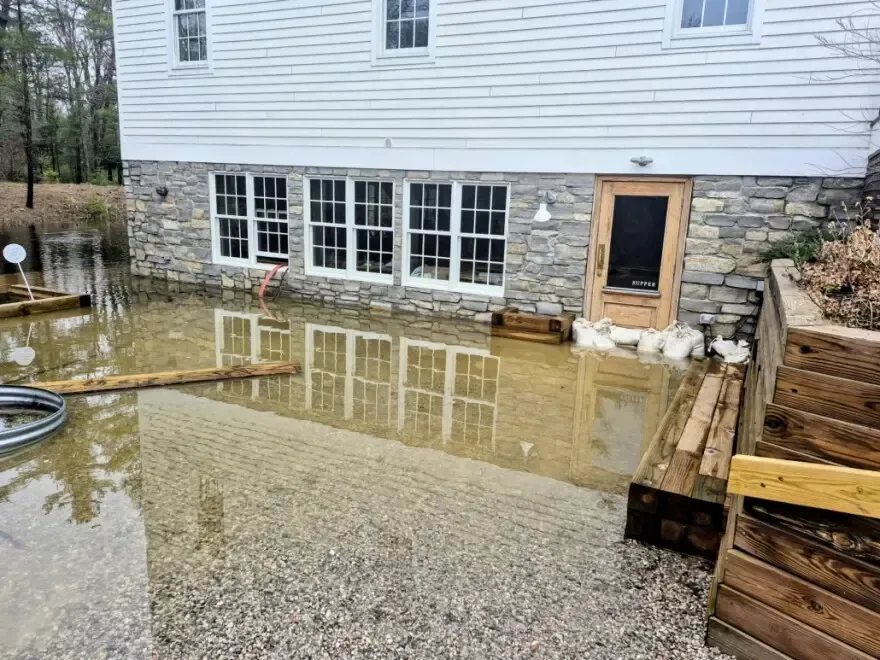
Heavy rain can put water into a building through more than one route. In Boulder, the cleanup plan starts by separating creek or surface water from an indoor plumbing release, then tracing every wet material before drying begins.
Key takeaways
- Do not enter standing water when an electrical hazard may be present.
- Stop an indoor plumbing source only when the shutoff can be reached safely.
- Treat creek water and runoff as contaminated rather than assuming it is clean.
- Extract visible water first, then map hidden moisture in walls, floors, and cavities.
- Keep photographs, moisture readings, and removal notes together from the start.
Why the water source changes the entire cleanup
Boulder Creek runs through the center of the city and carries mountain snowmelt east toward St. Vrain Creek. That setting makes a source check essential after intense rain because water at a foundation edge, a doorway, or a lower room may have traveled across soil and pavement before it entered.
Outdoor water brings material from its path into the building. An overflowing sink or a broken supply pipe begins with a different exposure, even when both losses leave the same carpet wet.
A professional storm water cleanup assessment identifies the source, the affected rooms, and the materials that cannot be safely dried in place.
The September 2013 flood showed how torrential rain can disrupt roads and major institutions across the community. A present day cleanup still depends on conditions at the individual property rather than the size or fame of an earlier event.
- Look for water marks at doors, window wells, and foundation openings.
- Check whether water use inside the building changes the flow or wet area.
- Note odors, visible soil, and debris without disturbing the affected material.
- Record which rooms were dry before the rain and which became wet afterward.
Make the building safe before moving water
Standing water can conceal damaged flooring, sharp debris, and electrical hazards. Occupants should stay out when water has reached outlets, equipment, a service panel, or another energized component.
Power control belongs with someone who can reach the controls without crossing the wet area.
If the source is plumbing and the shutoff is accessible from a dry area, stopping new flow limits the spread. If the source is outside, opening a door or moving a barrier can sometimes admit more runoff, so the entry path should be observed before anything is changed.
Children, pets, customers, and unprotected occupants should remain outside the affected zone. That simple boundary protects people and preserves a clear path for extraction equipment.
- Avoid walking into water near electrical systems.
- Do not use a household vacuum on standing water.
- Keep traffic away from soft flooring and sagging finishes.
- Photograph the water edge and entry points from a safe location.
Extraction follows a map, not just the visible puddle
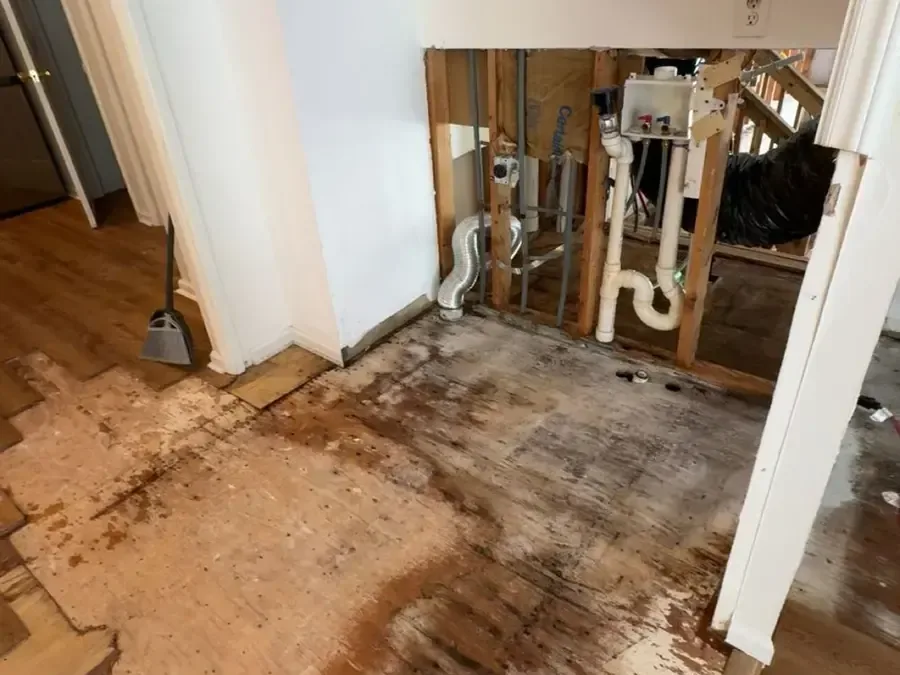
Visible water is only the starting boundary. It can move under carpet, along seams, beneath finished flooring, and into the bottom of wall assemblies.
Professional water extraction in Boulder removes the standing portion while moisture readings establish how far the loss traveled.
Crews can divide a large loss into work zones. The wettest area receives extraction first, while adjacent rooms are checked for migration.
Contents that block access are documented and moved to a dry location when that can be done safely.
Fast removal matters because wet porous materials continue transferring moisture to neighboring surfaces. After extraction, moisture readings identify water still held in framing, a subfloor, or the back of drywall.
- Mark the outer edge of measured moisture in each room.
- Remove loose debris that prevents complete extraction.
- Check closets, stairs, wall corners, and rooms below the entry point.
- Recheck the mapped boundary after standing water is gone.
What may need removal and what may be dried
The water source and the material condition drive removal decisions. Porous finishes touched by creek water or runoff may hold contamination that surface cleaning cannot reliably reach.
Cleanable hard surfaces can often remain after soil is removed and the surface is treated.
Drywall can wick water above the visible mark. Insulation can trap it inside a wall.
Carpet pad can keep a subfloor wet after the face of the carpet feels less damp. Small, controlled openings let the drying plan reach those concealed areas and allow direct readings.
A structural drying plan uses a dry reference from comparable material in an unaffected area. That gives the crew a property specific endpoint instead of relying on touch alone.
Flood maps provide context rather than a cleanup verdict
The city maintains floodplain maps approved by FEMA. Those maps change as studies, topography, development, and mitigation work change, so a property owner should use the current map when evaluating long term exposure.
A mapped hazard area can explain why outdoor water reached a lot, but it does not show the present moisture boundary inside a building. A property outside a mapped area may still collect runoff, and a mapped property may have no indoor water from a particular storm.
Boulder Reservoir, South Boulder Creek, and the central creek corridor are distinct parts of the local water landscape. Cleanup documentation should name the observed source rather than making a broad assumption from the city name or a nearby water feature.
Close the job with readings and a future response plan
A complete file connects the first photographs with the extraction record, material decisions, equipment placement, and final readings. That sequence helps an owner understand why a wall was opened, why a finish was removed, and when drying reached its target.
After cleanup, the property can be reviewed for the entry route that actually occurred. Door thresholds, drainage paths, stored contents, and shutoff access deserve attention when they played a role.
Broad alterations should wait until the observed route is understood.
The local water damage service overview keeps the next response options in one place. A written plan with safe exits, utility contacts, and the location of an indoor shutoff is useful before the next heavy rain.
- Save photographs from before removal and after drying.
- Keep moisture records with the room names and dates.
- List discarded material and the reason it could not remain.
- Update the building response plan from the source that was confirmed.
Questions
Is water from Boulder Creek treated like a plumbing leak?
No. Creek water has crossed outdoor surfaces and may carry soil and other contamination. The cleanup considers the travel path, removes affected porous material when necessary, cleans hard surfaces, and dries the remaining structure.
Does a flood map show which walls are wet?
No. A flood map describes mapped land risk. Moisture readings inside the property are needed to locate wet drywall, flooring, framing, and cavities after a specific event.
Why is carpet pad checked after extraction?
Pad can retain water beneath carpet and keep the subfloor wet. The face may look improved while moisture remains below, so the assembly needs direct evaluation.
Can occupants remove items before the crew arrives?
Dry items can be moved from an accessible safe area. Occupants should avoid contaminated water, unstable finishes, and any area with a possible electrical hazard.
What proves structural drying is complete?
Final moisture readings are compared with dry reference material at the property. The record should identify the materials checked and show that the drying target was reached.