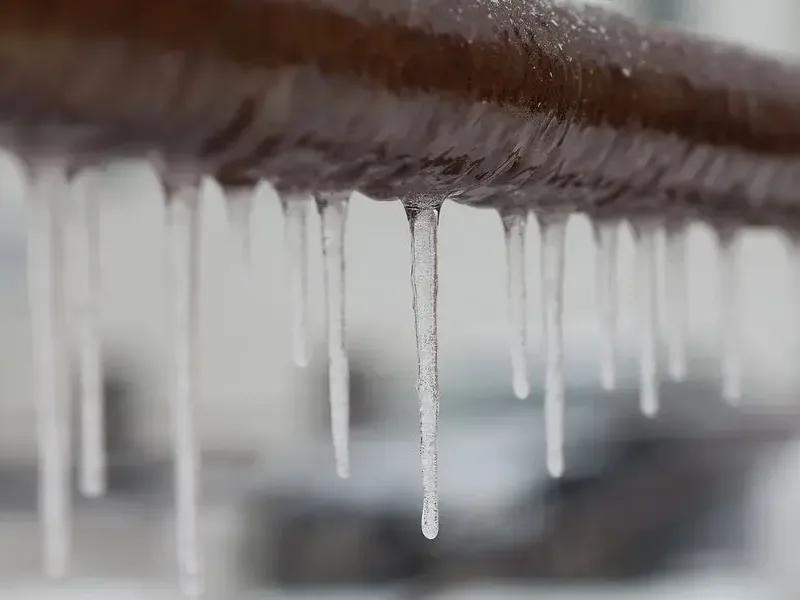
Cold weather pipe loss

Frozen Pipe Cleanup in Boulder, CO

Frozen water expands inside plumbing and can split a pipe before the thaw reveals damage. The inspection focuses on cold exposure areas and the route water took afterward.

(888) 532-8620Plan the freeze cleanup
Thaw damage traced Wet cavities opened carefully Material readings documented
Technician checking a wall cavity after a frozen pipe thawed
Frozen Pipe Water Damage · Boulder, CO
Freeze clueNo flow or visible frost
Thaw riskSplit opens as ice releases
Hidden routeWater enters insulated cavities
Drying proofReadings reach reference goals
First steps

What to do right now about frozen pipe water damage

  1. 1

    Prepare a shutoff

    Identify a safe accessible water control before warming a suspected frozen section, and do not open a city meter pit. The shutoff remains accessible throughout the thaw.

  2. 2

    Observe the thaw

    Watch cabinets, walls, ceilings, floors, and the room below for dampness or flow as temperature returns.

  3. 3

    Remove released water

    If a split appears, isolate the source, extract pooled water, and expose saturated material only where readings support access.

  4. 4

    Dry the assembly

    Direct air and dehumidification through the water path, monitor separate materials, and document their return to dry reference levels.

How the work is done

What a proper frozen pipe water damage job takes in Boulder

Cold area inspection

The assessment includes exterior wall runs, garages, attics, basements, crawl spaces, and cabinet plumbing when the freeze pattern points to those spaces. That wider check protects against a second hidden wet zone.

Controlled thaw awareness

Shutoff planning and observation reduce the chance that a concealed split discharges unnoticed when ice releases and flow resumes.

Cavity focused drying

Access and airflow are directed toward insulation, framing, wall plates, and floor layers that received water behind the room surface.

Completion readings

Material measurements are compared over time so equipment removal follows documented drying rather than appearance or elapsed time.

Cost

What does frozen pipe water damage cost in Boulder, CO?

A freeze contained to one wall or room usually needs a smaller scope. Water that descends into a basement or runs in an unoccupied property increases extraction, access, material removal, and monitoring needs. Cold area access and insulation handling also influence the total.

One wall or room

$1,000 to $3,000
  • Localized split and limited spread
  • Wall or cabinet access as needed
  • Focused drying with repeat readings

Into the basement

$3,000 to $8,000
  • Water traveled through lower assemblies
  • Several material layers investigated
  • Multiple equipment positions monitored

Empty house, long run

$8,000 to $18,000
  • Release continued before discovery
  • Wider demolition and content handling
  • Extended structural drying documentation

What moves the number most:

  • The water category: clean, gray or black water
  • Square footage and how many levels got wet
  • Material class: carpet, drywall, hardwood or a concrete slab
  • How many hours passed before drying started

Ranges are typical, not a quote. The water damage cost calculator gives a closer range for your own rooms.

Response protocol

Frozen Pipe Water Damage, step by step

On every Boulder job, moisture gets mapped before any equipment goes down, and the equipment stays until the readings say dry.

1

Identify

The technician checks the cold exposure location, confirms source control, and checks adjoining and lower surfaces for thaw related water. The pipe route is compared with visible frost clues.

2

Define

Meter readings and selective access establish which insulation, wall, floor, and framing sections are actually affected. Boundaries are confirmed before material is opened.

3

Restore conditions

Water is extracted, unsalvageable material is removed, and a drying system moves moisture out of retained assemblies. Separate zones address upper and lower travel paths.

4

Track

Monitoring records show how each material responds and whether equipment or access needs to change before the final check. A stable final check confirms the trend held.

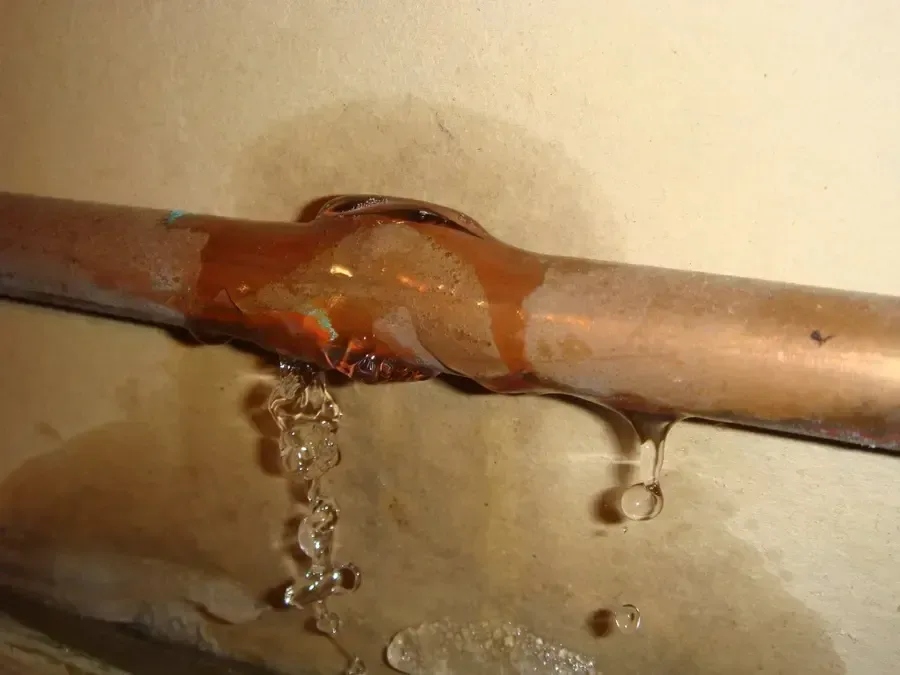
A frozen pipe event often develops in two stages. Ice first restricts the pipe and creates pressure. The actual water damage may appear later, when warming restores flow through a split that was hidden inside a cabinet, exterior wall, garage, attic, basement, or crawl space.

Treat the thaw as a possible release

Restoring heat or water without watching the affected area can allow a concealed split to discharge. The safer sequence identifies the suspected pipe, prepares a usable shutoff, and observes nearby walls, ceilings, and cabinets as conditions change. Any new moisture becomes part of the immediate extraction scope.

  • Locate the controlling shutoff before warming begins
  • Watch the area below and beside the suspected freeze
  • Keep wet electrical fixtures out of use

Insulation can hide the wet boundary

Cold exposure areas often contain insulation that holds water against framing. Surface drywall may show a small mark while the cavity extends farther. Moisture readings, careful access, and inspection from adjoining spaces help define what is wet without assuming the entire wall requires removal.

  • Check both faces of an exterior wall where accessible
  • Inspect cabinet backs and toe spaces around plumbing
  • Evaluate insulation separately from framing and drywall

Drying changes after the pipe is repaired

Plumbing repair stops the source but does not dry materials. The restoration setup extracts open water, removes material that cannot remain, and moves dry air through the affected assembly. Monitoring continues until readings show a stable return toward comparable dry material.

  • Record the repaired source and the wet materials
  • Place equipment around the actual cavity route
  • Use repeat readings to support completion
Service area

Frozen pipe water damage across Boulder and the towns nearby

Dispatch runs day and night, and the restoration team works every neighborhood listed on the service area page.

Boulder, CO

Cleanup is available across North Boulder, Gunbarrel, Ponderosa, Mapleton, and South Boulder, including ZIP areas 80301, 80302, 80304, 80305, and 80310. The service also reaches Chautauqua and East Boulder for thaw related wall and ceiling damage.

The same service nearby: frozen pipe water damage in Lafayette, Niwot, Firestone.

Water damage restoration in Boulder · every town covered

Water still moving through a Boulder house? 24/7 dispatch: (888) 532-8620
FAQ

Frozen Pipe Water Damage questions, answered

Why can a frozen pipe leak only after warming?

Ice can block the damaged section and temporarily limit flow. As the ice melts, water can pass through a split created by expansion, revealing damage that was not visible during the freeze. A prepared response reduces the chance of a second uncontrolled release.

Which pipe locations deserve attention during severe cold?

Boulder guidance identifies plumbing in exterior walls, attics, garages, basements, crawl spaces, and cabinets as vulnerable locations. Hose bibs and sprinkler supply pipes can also freeze. Nearby finishes still need a direct moisture check.

Should a frozen pipe be thawed before finding the shutoff?

The shutoff should be identified first whenever possible. If the pipe has split, warming may restore pressurized flow, so being ready to control water limits additional damage. Controlled warming should never hide source uncertainty.

Does repairing the pipe complete the restoration?

No. Repair controls the source. Wet insulation, drywall, framing, cabinets, flooring, and lower areas still need extraction, condition decisions, and measured drying. Repair records help connect the source to the restoration map.

How does a crew find a break behind a wall?

The visible freeze location, moisture patterns, direct readings, and plumbing route narrow the search. Limited access may then expose the pipe and confirm the cavity condition. Access remains limited to the evidence around the suspected section.

Can wet insulation stay in place?

That depends on the insulation type, contamination, saturation, access, and whether it can dry predictably. Material that holds water against framing or has lost condition may need removal. Framing beneath that material is checked again after removal.

What should be documented after a freeze loss?

Useful records include the suspected cold area, failed pipe location, shutoff action, affected rooms, readings, access work, removed material, equipment changes, and final dry measurements. That sequence shows why each drying zone was included.

Water still coming in?

The most visible stain may sit far from the frozen section.

(888) 532-8620Talk through the thaw conditions
24/7 emergency dispatch

Control the release and open its path

The cleanup follows cold exposed plumbing into insulation, framing, floors, and rooms below with measured drying.

(888) 532-8620Call about freeze damage
Lafayette Water Damage Restoration Boulder, CO (888) 532-8620 Open 24 / 7 / 365
(888) 532-862024/7 dispatch