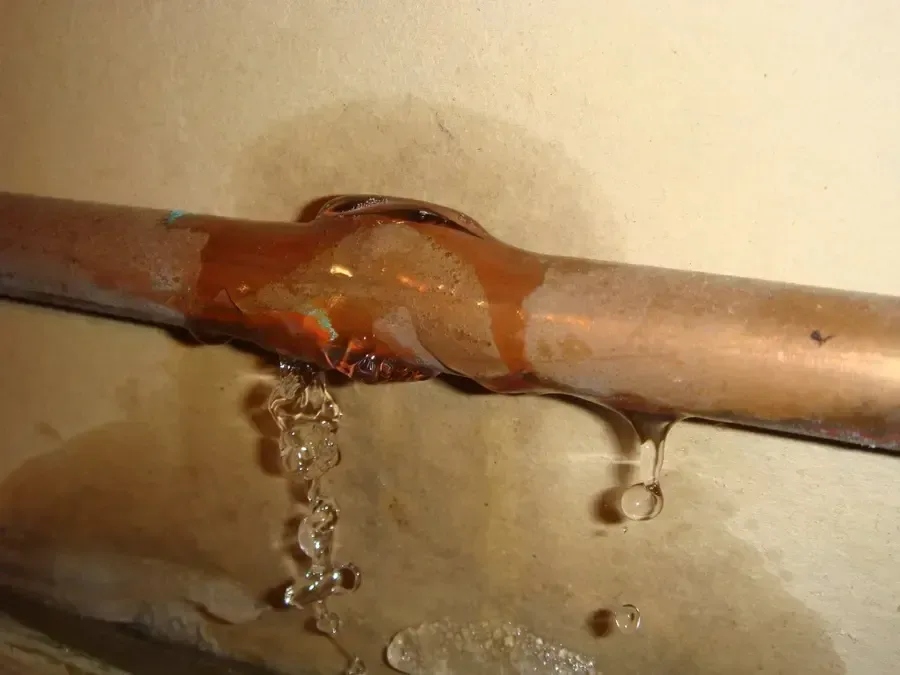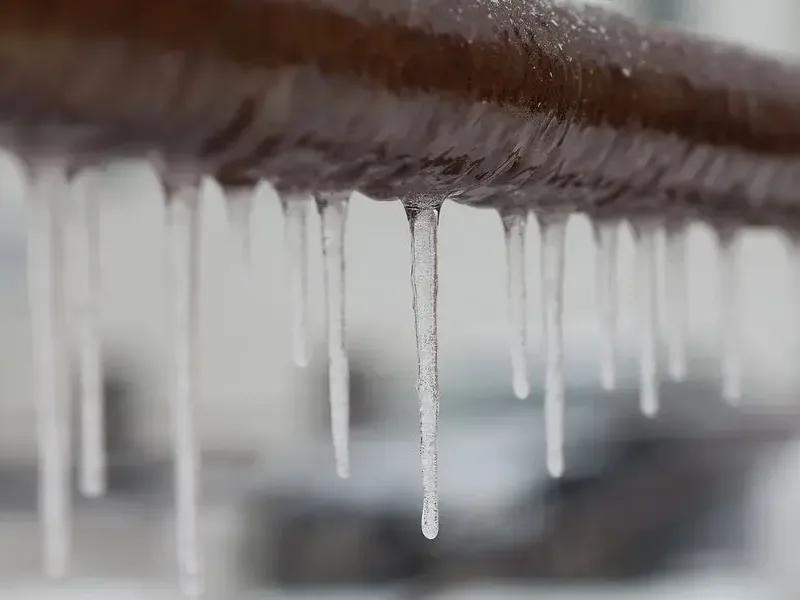
Snow and low temperatures have affected work schedules in Niwot, and cold can also affect plumbing. Boulder County guidance notes that frozen water expands. Pipes in exterior walls, basements, crawl spaces, attics, garages and cabinets deserve attention because they can be exposed to severe cold or reduced indoor heat.
Recognize a freeze before water becomes visible
A faucet that slows unexpectedly can indicate a frozen section. The main shutoff should be located before any thaw attempt, and the pipe should be warmed slowly without an open flame. If the frozen area cannot be reached or the pipe condition is uncertain, a plumbing professional should handle it. Restoration begins when released water reaches building materials.
- Note which fixture has reduced flow
- Locate the main water shutoff
- Avoid torches and open flames
- Watch adjoining rooms during thawing
Inspect both the frozen area and the water path
Ice may block a split temporarily. As warming restores flow, water can escape behind a wall or cabinet before appearing at the floor. The crew checks the immediate cavity, the finish below and connected spaces. A garage wall near Cottonwood Park West may call for a different equipment layout than an attic release near Old Town Niwot, because access and materials define the plan.
- Map moisture around the suspected split
- Check the room or level below
- Open only where access is needed
Dry after the plumbing is stable
Once the damaged section is isolated and repaired, extraction removes water that can be reached. Damp insulation may need removal, while framing and other stable materials receive directed air movement and dehumidification. Daily measurements show whether the cold assembly is warming and releasing moisture. Burst pipe cleanup explains the response when a break has already discharged broadly.