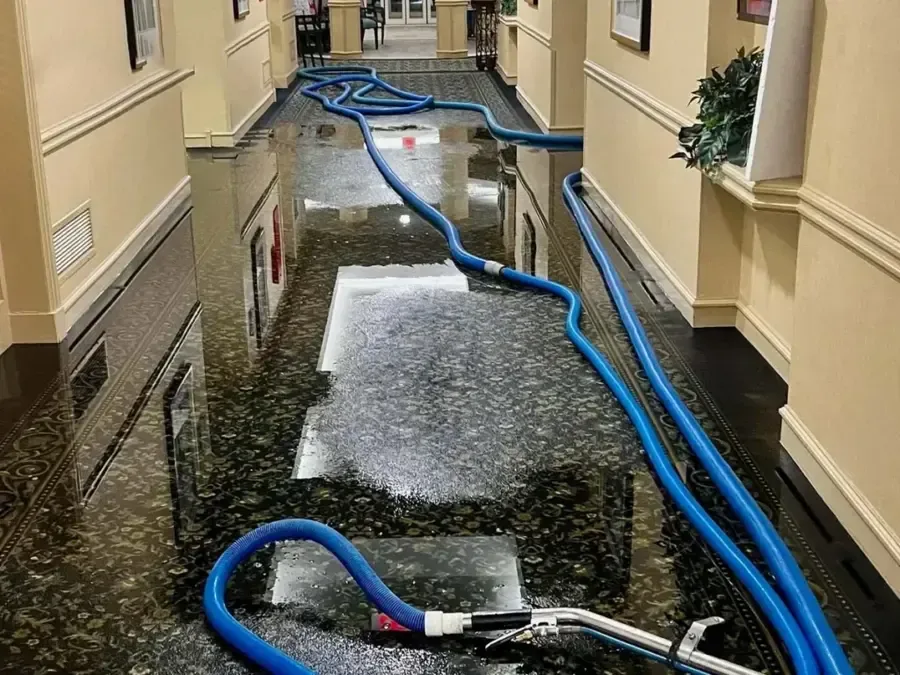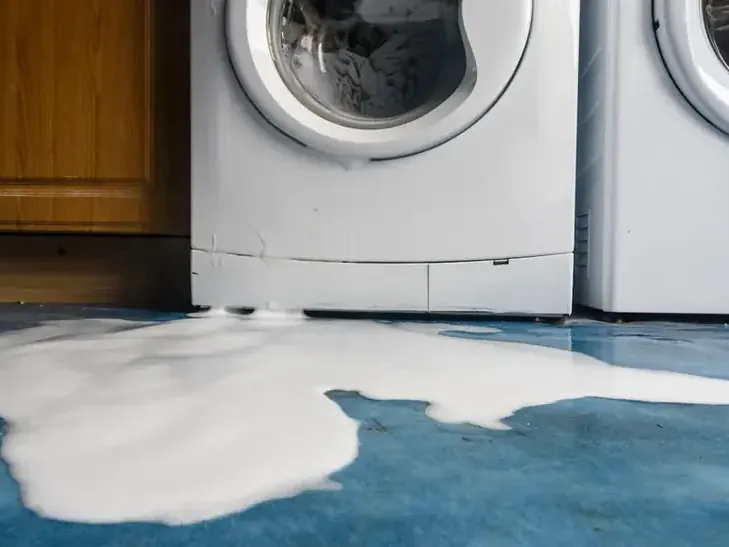
Appliance water may remain hidden until flooring changes, cabinet bases swell or a room below shows a stain. In a local home or business, the source might involve a washer, dishwasher, ice maker or toilet supply. The specific equipment and observed moisture direct inspection rather than a standard room assumption.
Source control separates cleanup from repair
The appliance is stopped and an accessible valve may be closed when it is safe to do so. A qualified provider handles equipment or plumbing repair. Restoration technicians remove released water, protect dry contents and inspect behind or beneath the unit. The visible edge is marked before it disappears during extraction.
- Stop appliance operation safely
- Confirm supply or drain repair status
- Extract water around the equipment
- Photograph affected finishes and contents
Cabinets and flooring hide the wet route
Water can pass under a toe kick, between floor layers or into a shared wall. Near Clear Creek, Lookout Mountain and East Old Golden Road, technicians use readings to decide whether small access openings, lifted trim or limited flooring removal will expose trapped moisture. Dry cabinetry outside the measured boundary remains protected.
- Test cabinet bases and toe kicks
- Inspect floor seams past the appliance
- Check walls and any room below
Drying targets each retained layer
Air movers and dehumidifiers cannot dry a sealed pocket unless evaporation has a path. Selective access helps expose subfloor, wall plates or cabinet cavities without unnecessary removal. Technicians record how readings change during visits, then compare affected materials with dry references before cabinetry, flooring or wall finish repairs begin.