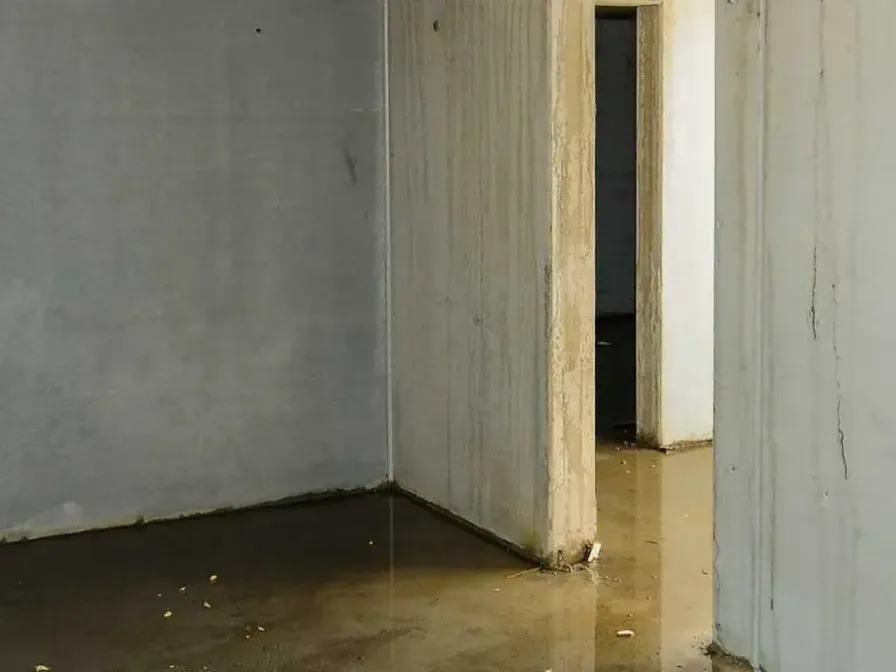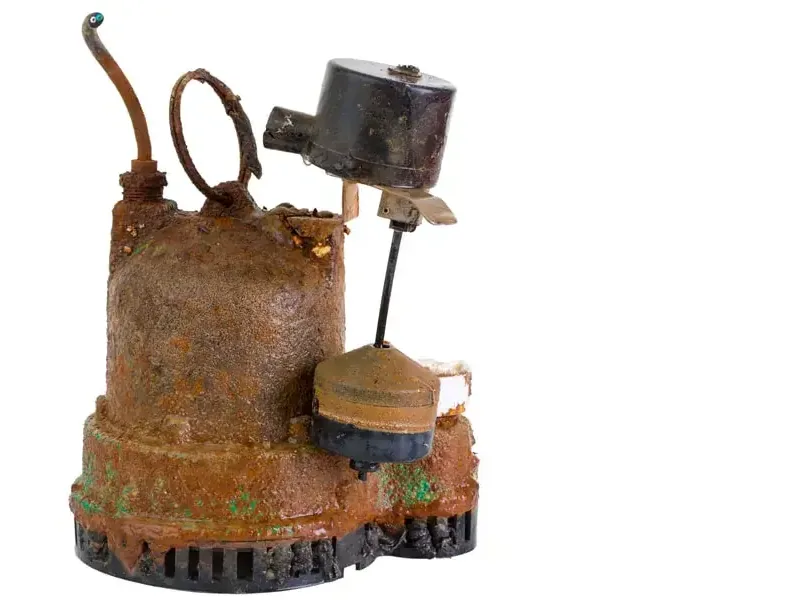
A sump pump is not universal here, so service begins with the equipment and conditions actually present. The City of Golden maps flood risk and runoff collection areas, including places away from a visible waterway. Those facts provide context, but the pit source and indoor water condition decide the cleanup method.
Failure type helps explain the overflow
A stuck float, power loss, blocked discharge or failed pump can allow a pit to rise. Technicians document the conditions while a qualified professional addresses the equipment problem. Water is classified before extraction because groundwater, runoff and a plumbing source can carry different contaminants and lead to different decisions about carpet, pad and drywall.
- Inspect the pit without unsafe entry
- Confirm the pump issue is addressed
- Classify water before material handling
- Extract the floor around the pit
Water can move beyond the equipment corner
Seams in concrete, floor coverings and wall bases give overflow several paths. Readings define whether the wet boundary reaches storage, finished rooms or framing. Around Lookout Mountain, Colorado School of Mines and Clear Creek Canyon, the response does not assume a shared lower level design. Each property receives inspection based on its own construction and water route.
- Map floors past visible pooling
- Check wall bases and contents
- Separate dry storage from wet items
Drying follows repair and extraction
Once the pit is stable and open water is removed, damaged porous material may leave and retained surfaces receive airflow and dehumidification. Concrete, wood and gypsum respond at different rates. Technicians track each material against a suitable dry reference, adjusting the setup until readings support equipment removal and the separate finish repair.