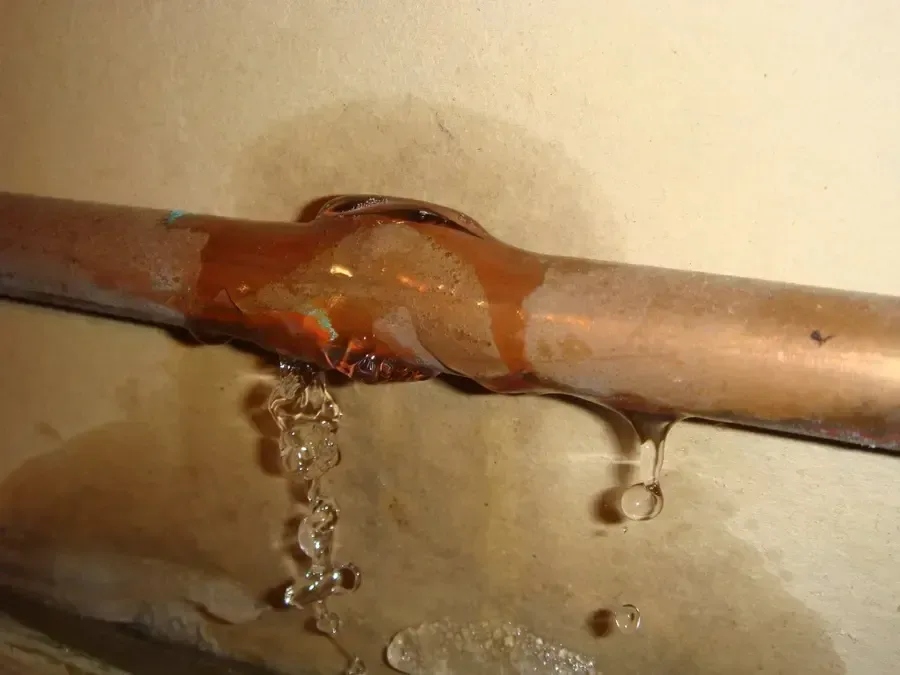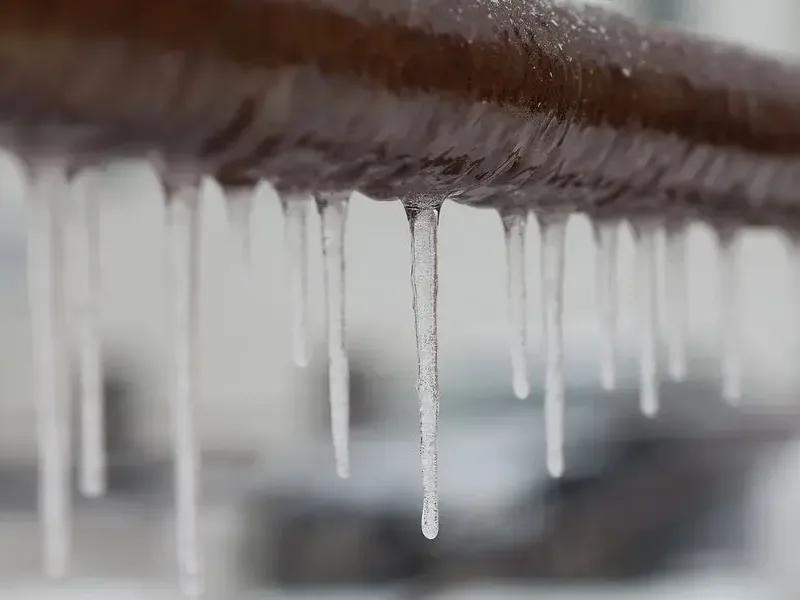
Front Range cold can affect plumbing placed in exterior walls, garages and unheated spaces. In Golden, settings near Lookout Mountain or South Golden still require property specific inspection rather than assumptions about pipe layout. A split may remain hidden until thawing water escapes into a finished assembly.
Thaw timing changes the response
A frozen section can block flow while pressure remains elsewhere. The safest first move is controlling the supply, not applying uncontrolled heat to a concealed pipe. After plumbing repair, technicians inspect around the split and below it, extracting open water before it penetrates farther into insulation, subfloor and wall finish.
- Confirm the water source is controlled
- Identify rooms below the frozen section
- Remove accessible water promptly
- Check insulation and adjacent framing
Cold cavities can conceal broad saturation
Exterior wall insulation may hold water against framing even when the room side shows only a small stain. Moisture meters help define where access is justified. In buildings near North Table Mountain, the Colorado School of Mines or East Old Golden Road, the crew follows actual readings instead of assigning a common construction type to the area.
- Test beyond the visible stain
- Remove saturated porous insulation
- Preserve finishes that remain dry
Drying prepares the assembly for repair
Airflow must reach the damp surfaces created by the release. Controlled openings, air movers and dehumidification support evaporation without closing moisture inside the wall. Technicians revisit the setup, record conditions and compare the affected framing against dry references. Separate repairs should wait until those measurements show that the retained structure is ready.