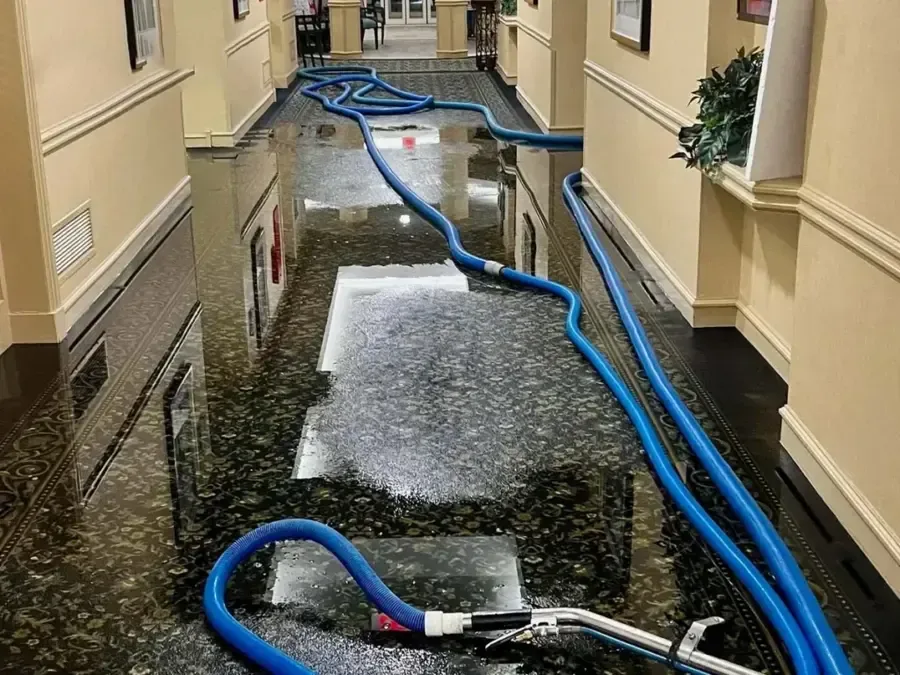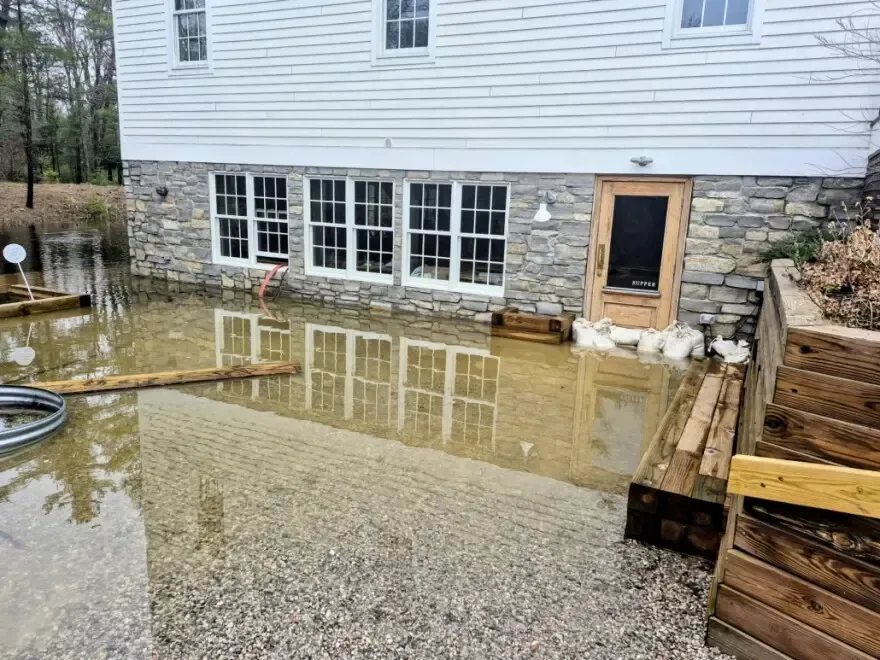
Clear Creek flows through Golden after emerging from Clear Creek Canyon, but visible waterways are not the only runoff concern. The city maps flood risk and recognizes collection areas away from a channel. Indoor response still begins with the exact entry point, water condition and affected materials at the property.
Outside water receives contamination controls
Runoff can cross soil, pavement and landscaped surfaces before reaching a doorway, wall opening or lower area. Technicians restrict access and protect dry routes before extraction. Sediment and debris are removed with the water, and absorbent finishes are evaluated for disposal. This order prevents active drying from spreading material through the building.
- Locate every active entry point
- Keep clean rooms outside the work zone
- Extract runoff and collected debris
- Document damaged porous finishes
Flood maps provide context, not an indoor scope
Flood Insurance Rate Maps, elevation certificates and the Community Rating System relate to outdoor risk and insurance. They cannot show how far water moved inside one structure. From Downtown Golden toward Lookout Mountain and North Table Mountain, technicians rely on indoor readings, observed residue and the specific building layout to set boundaries.
- Inspect beyond the visible water mark
- Check floor layers and wall bases
- Use property evidence for removal decisions
Cleaned structure moves into drying
After contaminated porous layers and sediment are gone, durable retained surfaces receive suitable cleaning. Air movers and dehumidifiers then address moisture left in framing, concrete and other structural components. Repeat readings show how the assembly responds and establish the documented dry condition needed before repairs replace removed finishes.