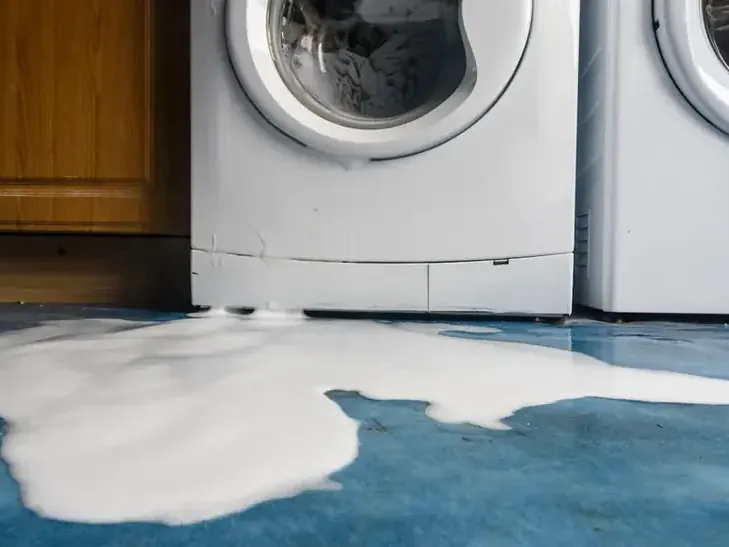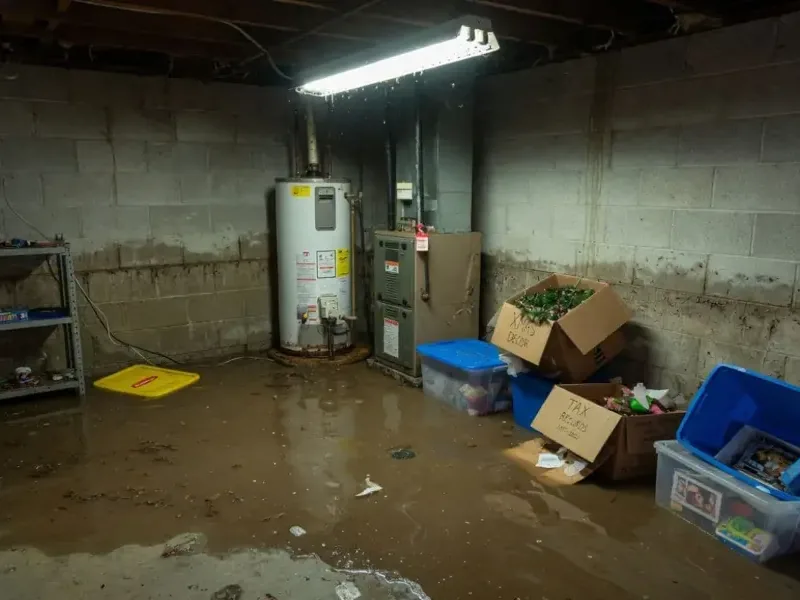
A leaking tank can release water at its base, from a fitting or during a sudden failure. At a Niwot property, the crew checks the tank location, nearby storage and the route to adjoining rooms. Moisture readings around the base and adjacent walls determine the extraction area and identify materials that need further drying.
Stop the tank source without creating another hazard
The water supply and energy source should be isolated only through safe, accessible controls. A plumbing professional handles repair or replacement of the appliance. Restoration staff document the initial release, remove accessible water and determine whether it traveled beneath the tank, through a wall or into an adjoining room. Wet electrical components remain outside the access route.
- Use only safe accessible controls
- Keep clear of powered wet equipment
- Photograph the tank area before movement
- Separate appliance work from restoration
Check the perimeter, not only the puddle
Water can hide under flooring, behind baseboard and beneath stored items. If the tank stands beside a finished wall, the cavity and room on the opposite side may need readings. A property near Meadowdale may have a different utility layout from a building by Second Avenue, so equipment placement follows the actual assembly.
- Test beneath adjacent flooring
- Read both sides of shared walls
- Inspect storage and cabinet bases
Dry the space after tank removal or repair
Extraction handles surface water, while dehumidification and directed air address retained moisture. Baseboard or a limited wall section may be removed when it blocks access. The crew tracks the slowest material until the tank area is ready for finishes or replacement equipment. Appliance leak cleanup covers other household equipment releases.