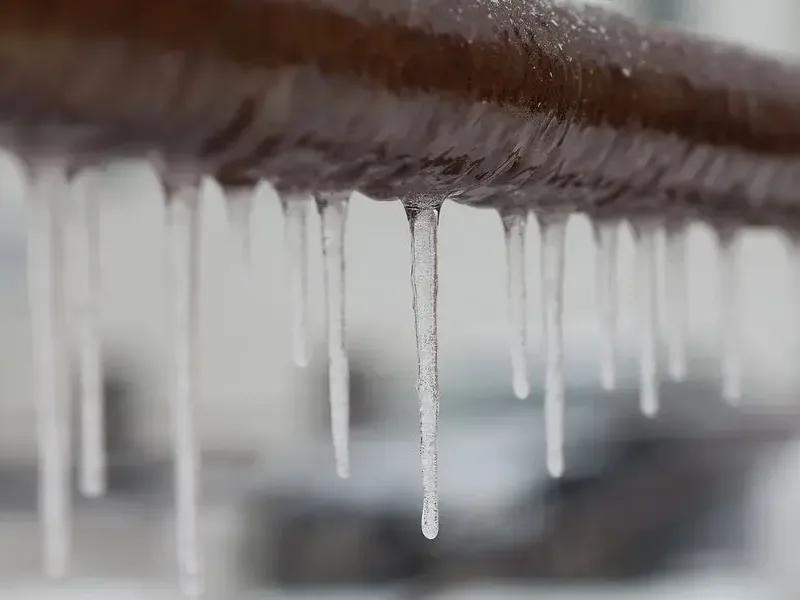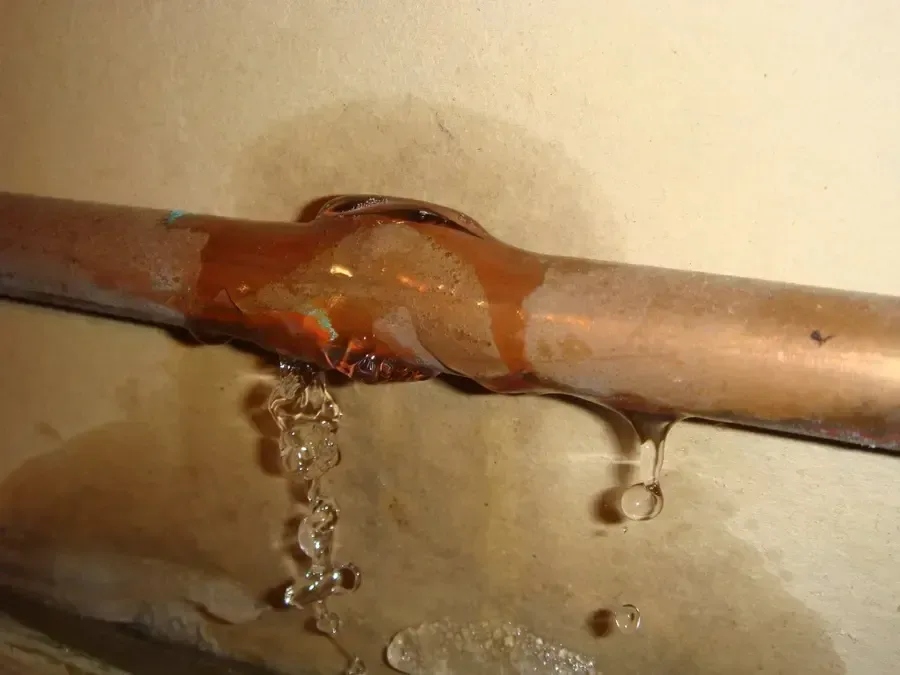
Boulder County information explains that frozen water expands and can burst a pipe. In Niwot, cold exposed sections may be found in an exterior wall, basement, crawl space, attic, garage or cabinet. Once a break occurs, water can drop between levels or travel under finished flooring before the source is isolated.
Source control protects the rest of the property
The main water shutoff should be known before a freeze emergency. When a break is discovered, the valve is closed from a safe location and the damaged plumbing is left for repair. The restoration crew documents the release area, extracts accessible water and traces dampness away from the break, including any space below it. Standing water near electrical equipment is not entered until power is safely controlled.
- Locate and close the shutoff
- Keep clear of electrical exposure
- Photograph the visible release path
- Arrange plumbing repair separately
Water may spread inside an assembly
A small opening in drywall does not show the full wet boundary. Insulation can hold water against framing, and floor layers can carry it into an adjacent room. The crew compares readings in several directions and opens only the areas needed for drainage, removal or airflow. Around Meadowdale or Johnson Farm, the access plan is adjusted to the actual property rather than assumed from the neighborhood name.
- Check below the failed section
- Test both sides of shared walls
- Inspect floor edges and trim
Drying continues after pipe repair
Repairing the pipe stops new water but does not remove what the building absorbed. Extractors, air movement and dehumidification address the affected layers, while repeated readings show where progress is slower. Photographs and notes link the initial damage with each removal decision. Frozen pipe cleanup covers the additional steps when ice is still present.