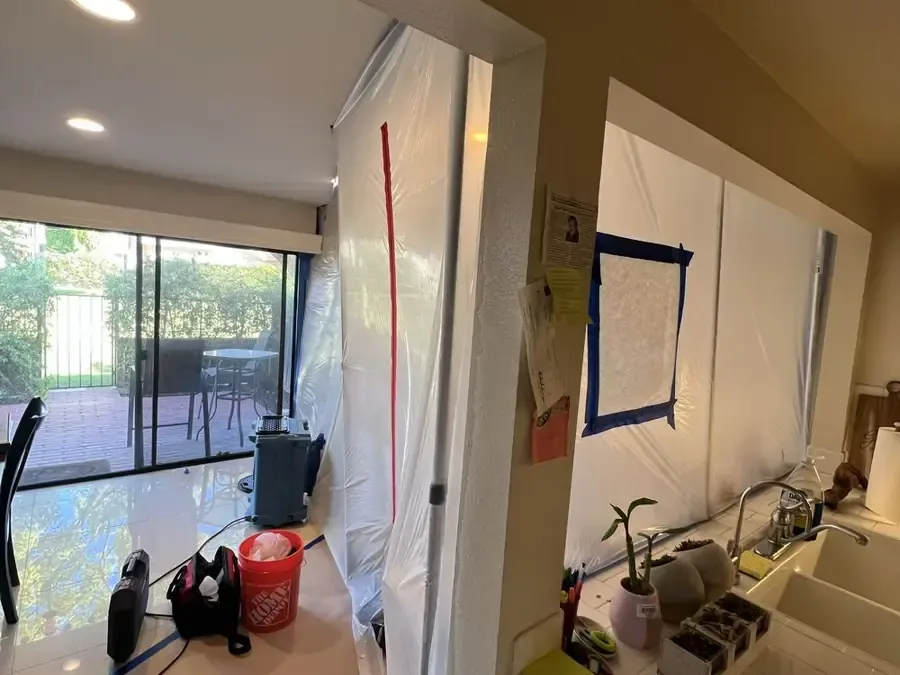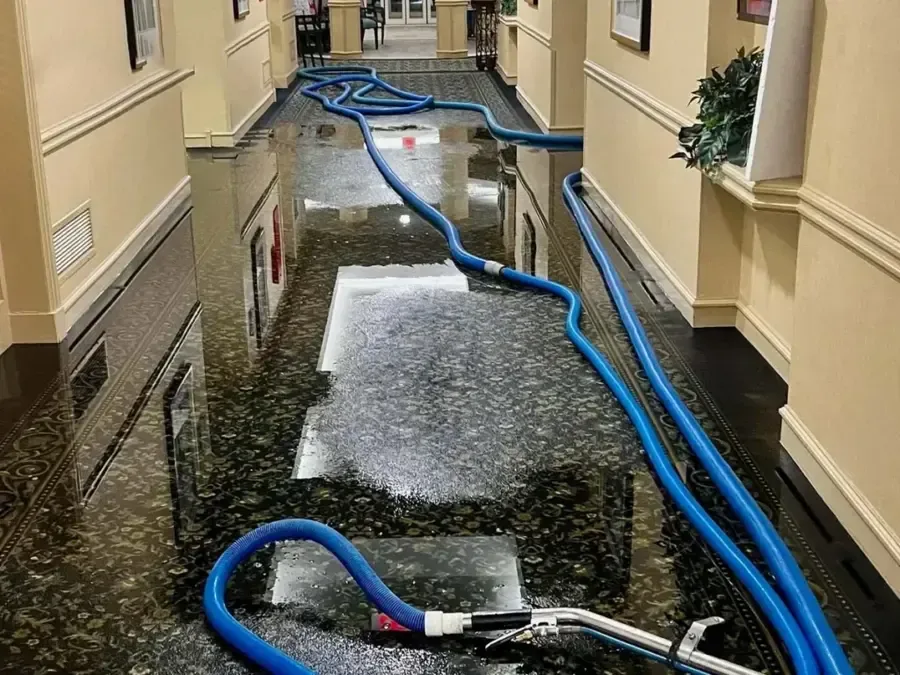
Water extraction is the first physical step after a clean supply failure or contained indoor release. Around Old Town Niwot, a commercial room may require a path that preserves safe access, while a home near Dry Creek may need portable equipment carried through a narrower entry. The equipment choice follows site conditions rather than a single setup.
Removing open water without overlooking its path
A floor puddle rarely marks the full boundary. Water can wick into baseboard, migrate beneath finished flooring or settle at the edge of a cabinet. The crew starts with the deepest accessible areas and works outward, checking nearby materials as the visible water disappears. Standing water near electrical systems is left alone until power has been safely controlled.
- Confirm that the source has stopped
- Identify clean or contaminated water
- Extract from accessible low points
- Compare wet and dry readings
Different rooms require different extraction methods
Hard surfaces may allow direct pickup, while carpet can require passes that compress the fibers and pad. Finished walls are evaluated at their lower edges before removal is considered. In a business within the Niwot Rural Community District, work zones can be staged so documentation stays connected to each affected area and the drying plan remains clear.
- Portable units reach restricted spaces
- Floor tools collect broad shallow spread
- Specialty passes address carpet layers
Extraction prepares the structure for drying
Removing liquid reduces the burden on dehumidifiers, but it does not finish the job. Moisture held inside wood, gypsum or subfloor must move into the air before equipment can capture it. The crew records initial readings, places air movers around the actual wet boundary and returns to see whether those materials are responding. Structural drying details explain that next phase.